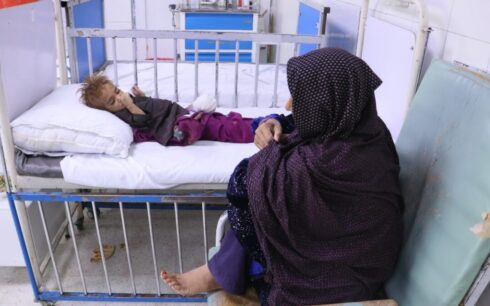
Cases of measles have risen sharply in Afghanistan’s Ghazni province with the onset of winter, doctors said, raising concerns about child health in a region already struggling with poverty and limited access to healthcare.
Medical staff at Ghazni’s provincial hospital said the number of infections, particularly among young children, has increased significantly compared with last year. They attributed the rise mainly to low vaccination coverage and delays in seeking treatment.
“Measles cases have increased considerably in recent weeks,” said a doctor at the provincial hospital, adding that many children admitted had not received routine vaccinations. “In areas where vaccination coverage is low, the disease spreads quickly.”
Residents said early symptoms such as fever and cold-like illness were often mistaken for common seasonal infections, delaying proper treatment and increasing the risk of complications.
“Our niece had fever and loss of appetite for several days. At first we thought it was just a cold,” said Abdullah, a resident of Ghazni. “By the time we realised it was measles, her condition had worsened.”
Caregivers and patients also complained about overcrowded hospitals and economic hardship, saying many families could not afford private medical care or transport to health facilities.
“People are poor and hospitals are overcrowded,” said Abdul Wali, another resident. “Even when we come to the public hospital, there are too many patients and limited resources.”
Afghanistan’s healthcare system has been under severe strain since foreign aid was cut following the Taliban’s return to power in 2021. The United Nations has warned that disruptions to immunisation programs, combined with malnutrition and winter conditions, have increased the risk of outbreaks of preventable diseases, including measles, particularly among children.
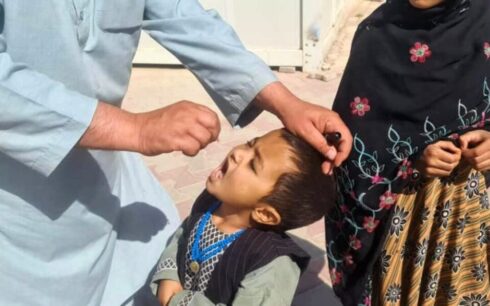
Health workers in Ghazni urged Taliban authorities and aid organisations to expand vaccination campaigns and improve access to basic healthcare to prevent further spread during the winter months.