Nearly 3.7 million children under the age of 5 in Afghanistan are expected to suffer from acute malnutrition in 2026, including about 95,000 children projected to develop severe acute malnutrition with medical complications, a potentially fatal condition if left untreated, the World Health Organization said.
The warning comes as Afghanistan continues to grapple with a worsening humanitarian crisis driven by economic hardship, food insecurity, recurrent disease outbreaks, climate-related shocks and limited access to health and nutrition services.
In a statement highlighting the country’s growing nutrition crisis, the WHO said millions of children remain at risk as families struggle to cope with multiple overlapping challenges.
“Malnutrition threatens the lives of children across Afghanistan,” the agency said, warning that severe acute malnutrition remains one of the leading causes of preventable child deaths when treatment is delayed.
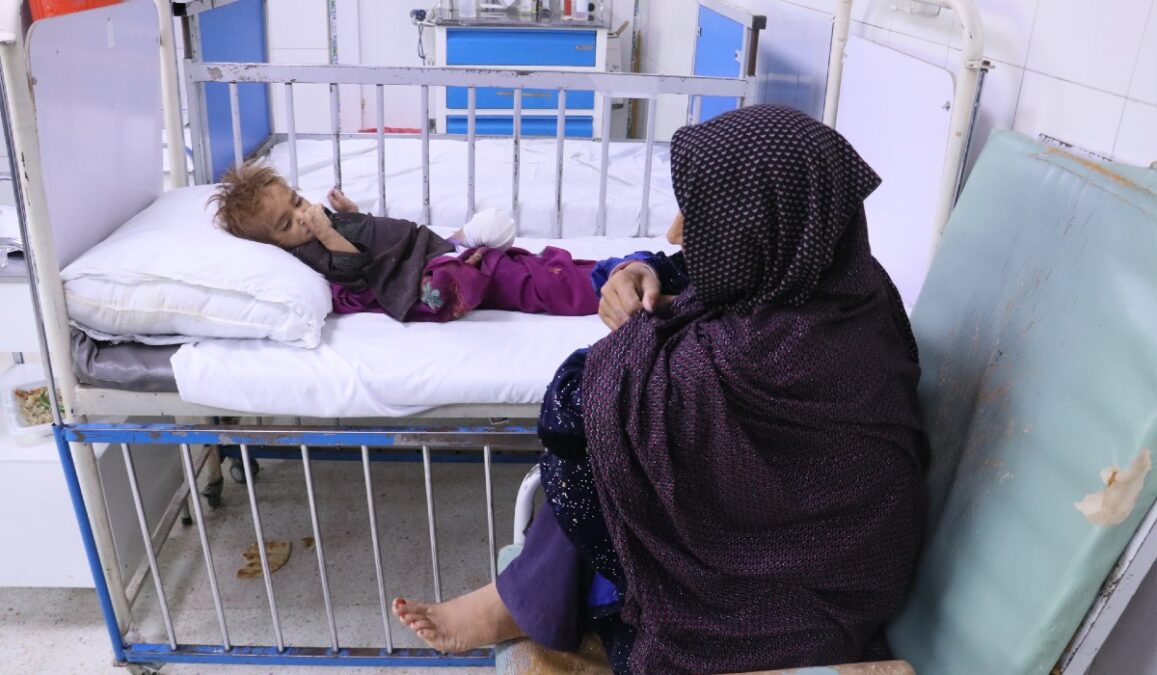
The WHO illustrated the crisis through the case of Wahidullah, a 12-month-old child from Ghazni Province who was admitted to Moqur District Hospital in critical condition after suffering from severe malnutrition and persistent vomiting.
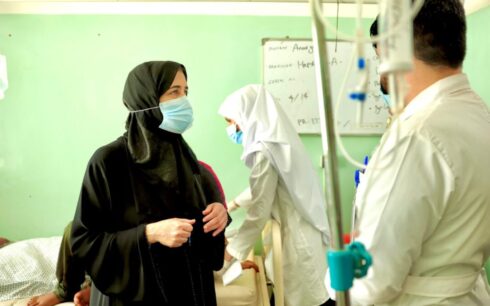
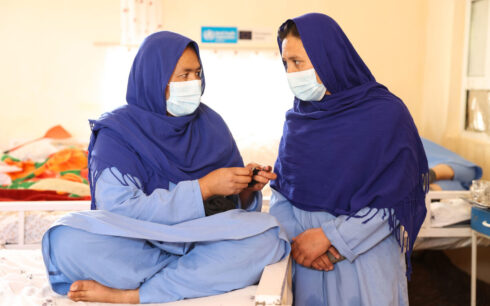
“When he arrived, he was extremely fragile and fighting for survival,” said Nasima, a nurse at the hospital. “We immediately started treatment and closely monitored him day and night.”
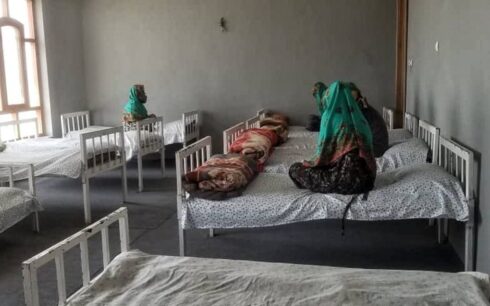
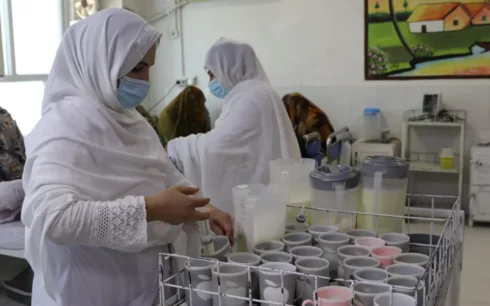
The child was treated at the hospital’s stabilization center, which provides specialized care for severely malnourished children. The facility has received support from the Afghanistan Humanitarian Fund through WHO, including renovations, medical supplies and trained health workers.
After five weeks of treatment, Wahidullah’s condition improved significantly. According to WHO, he regained his appetite, stabilized medically and began gaining weight.
“Wahidullah’s recovery shows that timely nutrition interventions can save lives,” said Edwin Ceniza Salvador, the WHO representative in Afghanistan.
He warned, however, that continued humanitarian funding is essential to maintain nutrition services across the country.
“It is important to emphasize the need for sustained humanitarian support to help WHO and other health partners keep essential nutrition services running for children and families across Afghanistan,” Salvador said.
Afghanistan remains one of the world’s largest humanitarian emergencies. Aid agencies have repeatedly warned that widespread poverty, food insecurity, drought, displacement and reductions in international funding are placing millions of children at heightened risk of malnutrition.
The WHO said it continues to work with the Afghanistan Humanitarian Fund and other health and nutrition partners to provide lifesaving services to vulnerable children, but stressed that sustained support will be critical as humanitarian needs remain severe across the country.