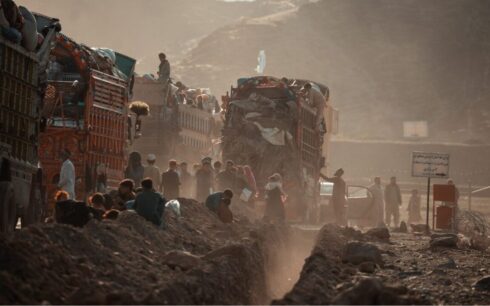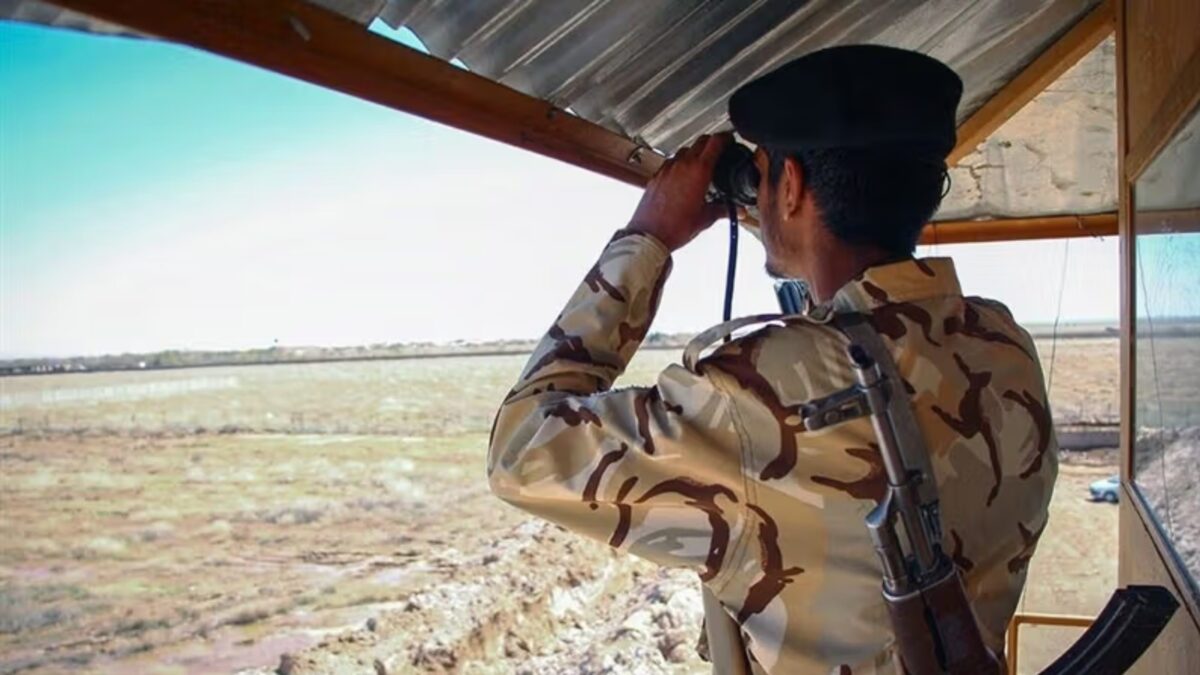
A review by Amu TV from reported incidents and interviews with survivors has found that Iranian border guards have opened fire on groups of Afghans trying to enter Iran at least six times over nearly two years, according to an Amu review of reported incidents and interviews with survivors.
The most recent reported shooting occurred on June 29 near the Islam Qala border area, according to Amu’s findings. Reports indicated that five Afghan citizens were killed.
The review found that three separate shootings were reported in 2024 alone, including incidents on Oct. 13, Oct. 18, 2024, and Feb. 25, 2025. The incidents were reported in the Kalgan and Saravan border areas. Witnesses said dozens of people were killed or wounded across those episodes, though precise casualty figures remain unclear.
Among those interviewed by Amu were Hafizullah and Amanullah, two men from Farah Province who said they survived a shooting near Kalgan in the Saravan area on Oct. 13, 2024.
They said they had been traveling with a group of Afghans attempting to enter Iran when Iranian border guards opened fire.
Hafizullah said he and his brother survived, but three of their friends were killed in front of them.
“We were sitting when the shooting started,” he said. “Some people were hit in the head, others in the eyes. Three or four people sitting beside us were killed.”
His account reflects the desperation driving many Afghans onto dangerous migration routes. “We have no future in Afghanistan either,” he said.
Amanullah, another witness to the incident, said the group encountered additional danger as people fled the gunfire.
According to his account, some of those trying to escape entered an area containing mines, and explosions increased the number of casualties.
“When we entered Iran, we were ambushed,” Amanullah said. “The officers had weapons and fired at us. When people ran away, they encountered mines, and many were killed.”
The accounts form part of a broader pattern identified in Amu’s review. In addition to the three incidents reported during the 1403 solar year, the findings indicate that Iranian border forces fired on groups of Afghan migrants in three other incidents during the nearly two-year period examined, including two reported shootings in the current solar year.
The cases underscore the risks faced by Afghans seeking to cross into Iran outside official immigration channels. Migrants often travel through remote desert and mountainous areas, frequently relying on smugglers and moving in large groups through routes patrolled by Iranian security forces.
The full scale of deaths along the Afghanistan-Iran border is difficult to establish. Many incidents occur in remote areas, casualty figures often come from survivors or local sources, and official information from both sides is limited.
Mohammad Naim Ghayour, a political and security analyst, said Iran’s treatment of Afghan migrants risked damaging relations between the neighboring populations.
“The Iranian government has hosted Afghan migrants for years, but these actions are contrary to good neighborly relations and human rights principles,” he said. “They damage relations between the two peoples.”
The shootings come against the backdrop of growing pressure on Afghan migrants in Iran. Large numbers of Afghans have returned or been deported from Iran in recent years, placing additional strain on Afghanistan, where poverty and unemployment remain widespread and communities are struggling to absorb returnees.
Iran has hosted generations of Afghans displaced by war, political upheaval and economic hardship. But Afghan migrants have also faced increasing pressure, including deportation, detention and restrictions on where they can live and work.
The Taliban have sought to expand political and economic ties with Tehran since returning to power in Afghanistan in August 2021. Relations between the two sides have included high-level visits and cooperation on trade, transit and migration, even as disputes over border security and water rights have periodically strained ties.
The reported shootings present another sensitive issue in that relationship. Despite repeated reports of Afghan migrants being killed or wounded along migration routes into Iran, the circumstances of many cases remain disputed or unresolved, and comprehensive official casualty figures have not been made public.
For survivors like Hafizullah and Amanullah, the consequences are more immediate. Their accounts describe migrants caught between the hardship that drove them from Afghanistan and the lethal dangers of the journey across the border — a route that, according to the findings, has repeatedly ended in gunfire.