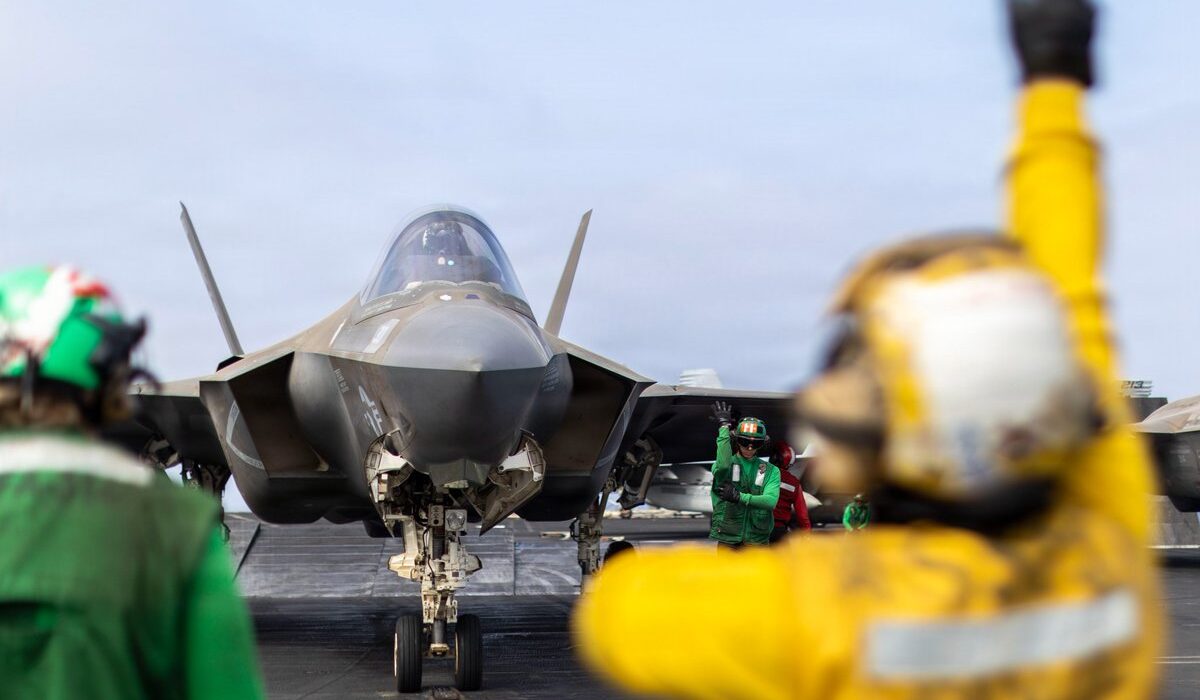
The United States said it launched a new wave of airstrikes against Iran early Wednesday, targeting about 80 military sites in retaliation for what it described as Iranian attacks on commercial vessels in the Strait of Hormuz, marking the most serious escalation since a fragile cease-fire was reached last month.
US Central Command, or CENTCOM, said the operation was carried out after Iranian forces attacked three commercial ships transiting the strategic waterway a day earlier.
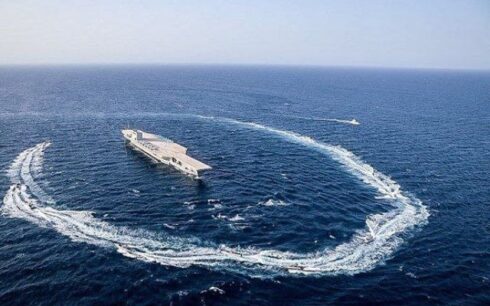
According to CENTCOM, the strikes targeted Iranian air defense systems, command-and-control facilities, coastal radar sites, anti-ship missile capabilities and more than 60 fast attack boats belonging to the Islamic Revolutionary Guard Corps.
The command said the objective was to reduce Iran’s ability to threaten international shipping through the Strait of Hormuz, one of the world’s most important energy transit routes.
Iranian state media acknowledged that the strikes had occurred but did not provide details on the locations hit or report casualties.
Iran launches retaliatory strikes
Hours after the US operation, Iran’s military said it had launched missiles and drones at American military bases in Bahrain and Kuwait in retaliation.
Neither Washington nor authorities in Bahrain or Kuwait immediately reported the extent of the damage or any casualties.
The exchange represented the most significant military confrontation since the United States and Iran agreed in Geneva last month to a 60-day cease-fire and to begin negotiations aimed at reaching a broader agreement.
Despite the renewed fighting, neither side immediately indicated that it was abandoning diplomacy.
Tehran accuses Washington of violating cease-fire
Iranian officials accused Washington of breaching the cease-fire agreement.
Mohammad Bagher Ghalibaf, Iran’s parliamentary speaker, said the United States had violated the understanding on five occasions, citing military actions around the Strait of Hormuz, renewed oil sanctions and continued Israeli military operations in southern Lebanon.
“The era of bullying and extortion is over,” Ghalibaf wrote on social media. “We do not surrender.”
CENTCOM, however, described Iran’s attacks on commercial shipping as “unprovoked hostile actions” that endangered freedom of navigation and violated the cease-fire.
The attacks on shipping involved three merchant vessels: the Al-Rukayat, sailing under the Marshall Islands flag; the Saudi-flagged tanker Wedian; and the Liberian-flagged tanker Cyprus Prosperity, according to the US military.
Talks clouded by renewed hostilities
The latest military exchange has cast fresh uncertainty over diplomatic efforts that were expected to resume after the funeral ceremonies for Iran’s Supreme Leader, Ayatollah Ali Khamenei, who was killed in a joint US-Israeli strike in February.
Negotiations between Washington and Tehran had been suspended during the days of mourning but were expected to restart afterward, focusing on some of the most contentious issues, including Iran’s nuclear program and security arrangements in the Strait of Hormuz.
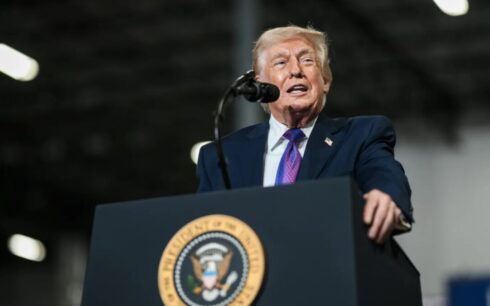
President Donald Trump said earlier this week that negotiations would resume after the funeral ceremonies concluded but warned that the United States would either reach an agreement with Iran or “finish the job.”
The latest exchange marks the second time since the Geneva cease-fire that Washington and Tehran have exchanged military strikes while accusing each other of violating the agreement.
NATO summit overshadowed
The US strikes unfolded as Trump attended a NATO summit in Turkey, shifting attention away from an agenda focused on defense spending and the war in Ukraine.
The military action came shortly after Trump attended a dinner hosted by Turkish President Recep Tayyip Erdoğan with leaders of NATO’s 32 member states.
Before the strikes, Trump had criticized some European allies for declining to provide broader support for US military operations against Iran, saying he had expected greater backing from the alliance.
The escalation also dominated discussions on regional security at the summit.
According to Reuters, France and Britain are expected to present proposals for a multinational maritime mission to safeguard commercial shipping in the Strait of Hormuz during meetings between NATO leaders and foreign ministers from Gulf Arab states.
Diplomats, however, cautioned that Iran’s opposition to the initiative could make any agreement difficult.
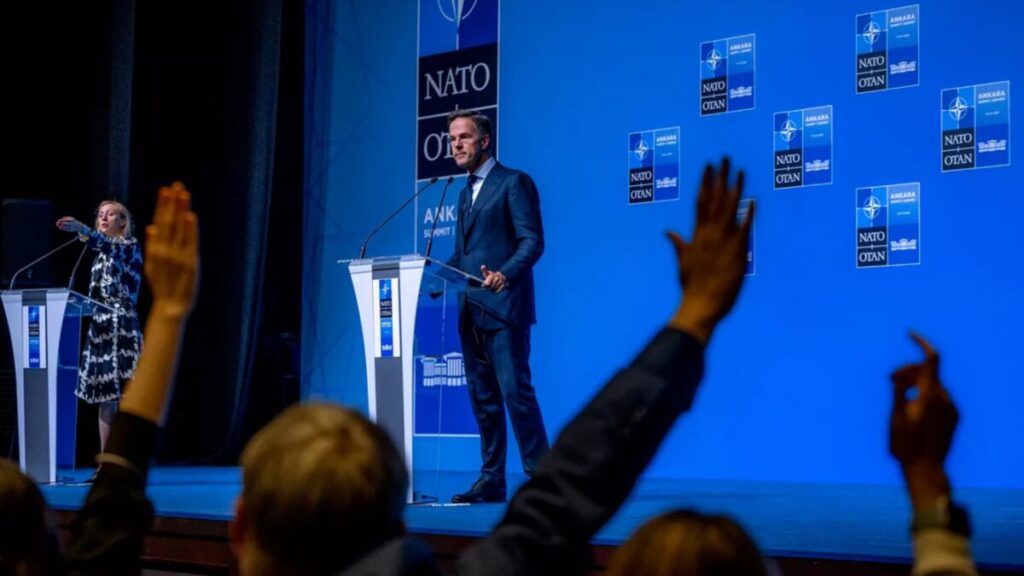
NATO Secretary General Mark Rutte defended the US operation, calling it “absolutely necessary.”
“When there is a cease-fire and Iran effectively violates it, a firm response from the United States is vital,” Rutte told reporters.
He also said he hoped NATO members would reaffirm the importance of ensuring that the Strait of Hormuz remains fully open to international navigation.
The renewed confrontation has heightened concerns that the cease-fire could collapse entirely, raising the prospect of a broader regional conflict while threatening one of the world’s busiest maritime corridors for oil and commercial trade.