World leaders welcomed the emerging agreement between the United States and Iran to end months of conflict, reopen the Strait of Hormuz and begin a new phase of negotiations, describing the accord as a significant diplomatic breakthrough while urging its swift implementation.
The deal, which US President Donald Trump and Iranian officials say is expected to be formally signed in Switzerland on Friday, has been greeted with relief across capitals concerned about regional stability, global energy supplies and the risk of a wider Middle East conflict.
Among the first senior leaders to respond was Ursula von der Leyen, who welcomed the agreement and called for its rapid implementation.
“The priority now is its swift and full implementation by all parties,” von der Leyen said in a statement.
She said the agreement should lead to the immediate reopening of the Strait of Hormuz, a critical shipping route through which roughly one-fifth of the world’s oil supplies pass, and argued that restoring freedom of navigation was essential for both regional stability and the global economy. She also said the deal should open the door to broader negotiations on Middle East security and Iran’s nuclear and ballistic missile programs.
Von der Leyen further linked the agreement to wider regional conflicts, saying lasting peace in the Middle East would remain elusive while fighting continued in Lebanon.
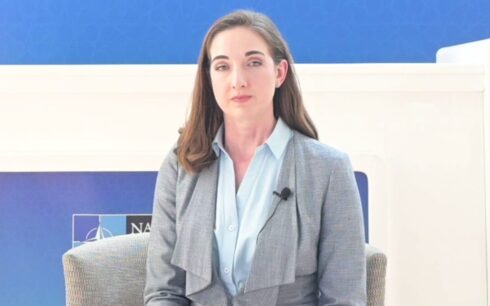
Kaja Kallas, the European Union’s top diplomat, described the agreement as a “potential breakthrough” that could create space for deeper negotiations on Iran’s nuclear program and other unresolved issues.
Kallas said she had recently spoken with Iranian and Gulf officials and that European foreign ministers would discuss how the European Union could contribute to the next phase of diplomacy.
“The EU stands ready to contribute to a sustainable resolution,” she said, citing the bloc’s economic influence, technical expertise on nuclear issues and longstanding relationships across the region.
The United Nations also welcomed the announcement. Secretary-General António Guterres praised the agreement as an important step toward reducing tensions and encouraged all sides to fully implement their commitments.
In the Gulf, Qatar expressed hope that forthcoming negotiations would proceed in a “positive and constructive spirit” and help build on the progress achieved by the agreement.
Other leaders also emphasized the importance of keeping the Strait of Hormuz open. Indian Prime Minister Narendra Modi welcomed the accord and said he hoped it would restore peace, stability and freedom of navigation in one of the world’s most strategically important waterways.
European leaders including German Chancellor Friedrich Merz and French President Emmanuel Macron also welcomed the agreement and highlighted its potential to pave the way for broader diplomatic progress in the region.
Turkish President Recep Tayyip Erdoğan urged all parties to avoid actions that could jeopardize the deal, reflecting concerns that significant challenges remain despite the breakthrough.
Financial markets responded positively to the announcement. Oil prices fell sharply as investors anticipated the reopening of the Strait of Hormuz and the resumption of normal energy exports, while stock markets across Asia and Europe posted gains.
Despite the positive reactions, many leaders stressed that key issues remain unresolved, including Iran’s nuclear program, sanctions relief and the long-term security architecture of the Middle East. Those matters are expected to be addressed in follow-on negotiations after the signing of the agreement.