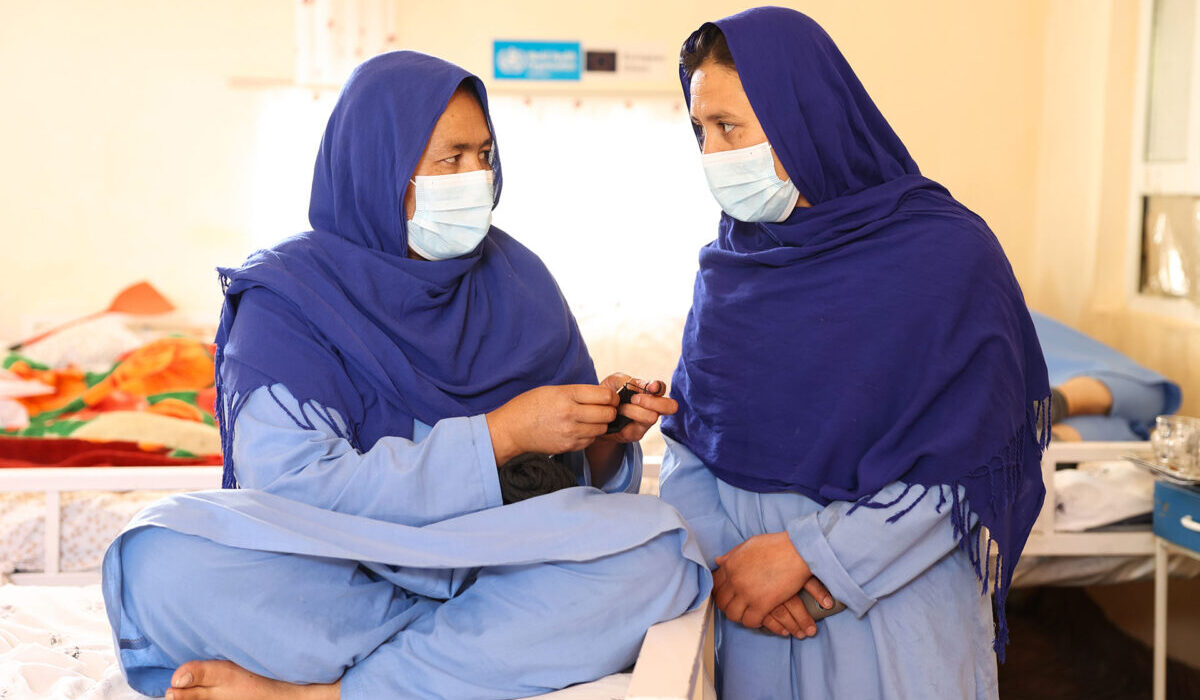
The World Health Organization (WHO) on Friday reaffirmed its commitment to helping Afghanistan tackle substance use through prevention, treatment and recovery, saying drug addiction continues to pose major health, social and economic challenges across the country.
Marking the International Day Against Drug Abuse and Illicit Trafficking, or World Drug Day, WHO said it is working with health authorities to expand access to treatment and support services for people affected by substance use.
“Substance use disorders are health conditions that can be prevented and treated,” Edwin Ceniza Salvador, WHO’s representative in Afghanistan, said in a statement.
“By investing in prevention, expanding access to care and strengthening health services, we can help people recover, regain hope and contribute positively to their families and communities.”
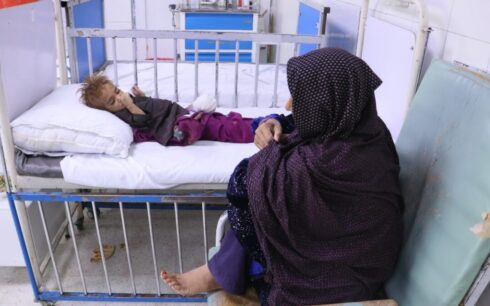
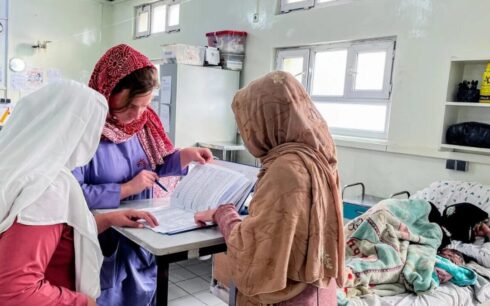
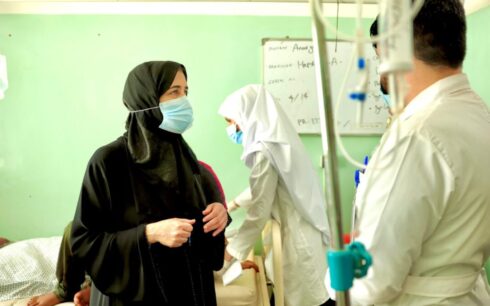
According to WHO, it currently supports 11 drug treatment centers and 11 mobile outreach teams operating in 10 provinces across Afghanistan.
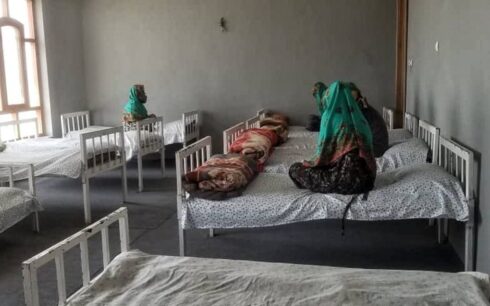
Four of the treatment centers are dedicated to women and children, while one serves adolescent boys. The facilities provide drug treatment, mental health and psychosocial support, as well as follow-up care for people recovering from substance use disorders.
The centers have a combined capacity of 610 treatment beds, while outreach teams provide services to vulnerable populations who might otherwise lack access to care.
WHO also supports four opioid agonist maintenance treatment (OAMT) centers—including one for women—and five outreach teams operating in Kabul, Kandahar and Helmand provinces.
More than 500 people currently receive opioid maintenance treatment through the program, which helps people with opioid dependence manage their condition and supports long-term recovery, the agency said.
In addition to providing treatment services, WHO said it assists Afghanistan’s health authorities by offering technical guidance, training healthcare workers and promoting evidence-based approaches to drug treatment and rehabilitation.
The agency said World Drug Day provides an opportunity to promote prevention—particularly among young people—expand access to quality treatment and rehabilitation services, and strengthen community-based support systems.
WHO also called for continued support from donors and humanitarian partners to sustain and expand drug treatment services across Afghanistan.
The statement comes as Afghanistan continues to face widespread drug-related challenges despite the Taliban’s ban on opium cultivation. While the ban has sharply reduced opium production, the United Nations has warned that drug dependence, particularly involving opioids and methamphetamine, remains a significant public health concern requiring sustained investment in treatment and recovery services.