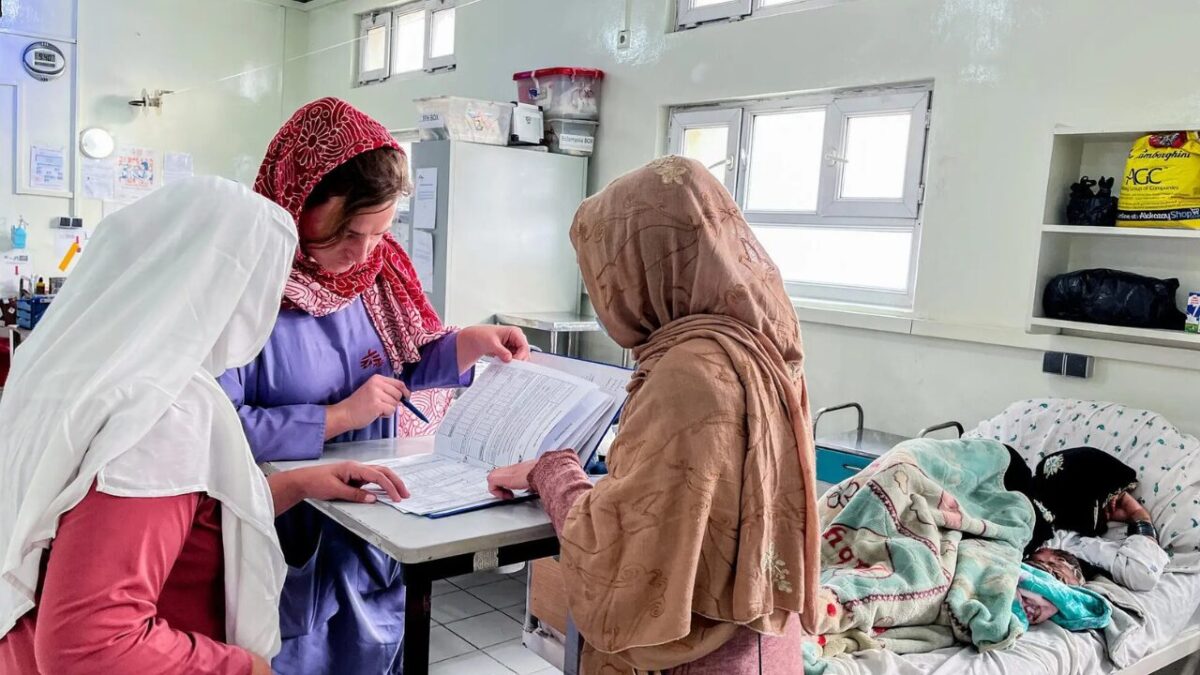
Figures compiled from multiple reports by the World Health Organization show that more than 570 health facilities across Afghanistan have closed or suspended operations since the beginning of 2025 as international funding has fallen, cutting off health services for more than 3.3 million people.
The closures are the latest sign of the growing strain on Afghanistan’s fragile health system, which remains heavily dependent on international assistance. The figures show that 422 health facilities closed across 30 provinces in 2025, followed by another 150 since the beginning of this year.
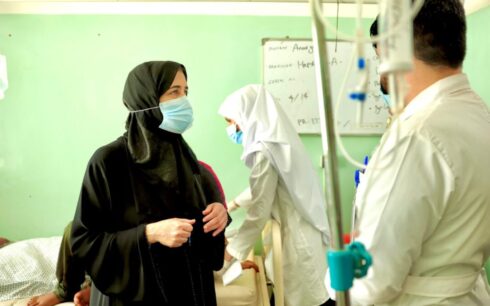
Hanan Balkhy, the WHO regional director for the Eastern Mediterranean, said during a visit to Afghanistan that the latest closures were caused by funding shortages. The loss of services, she said, has reduced childhood vaccination coverage, restricted access to maternal health care and made it more difficult for patients to receive basic treatment.
“The health response in 2026 remains severely underfunded,” Balkhy said, adding that as of June, only 17 percent of the required funding had been secured.
According to WHO figures, $190.8 million is needed for its health response in Afghanistan this year. At the current funding level, the widening gap threatens to force further reductions in services in a country where millions of people already struggle to obtain basic medical care.
The organization has identified the United States, the European Union, the Afghanistan Humanitarian Fund, the United Nations Central Emergency Response Fund and other United Nations agencies among the major contributors to Afghanistan’s health sector.
But the suspension of American assistance — previously a major source of aid to Afghanistan — combined with reductions in support from other donors, has contributed to the closure or suspension of health facilities, including mobile health and nutrition teams, according to the WHO
The effects are particularly severe in remote and impoverished areas, where families often have few alternatives when a publicly supported clinic closes.
Anargul, a resident of the western province of Badghis, said her daughter had undergone surgery for a chest condition and needed two months of follow-up treatment. But she said there was no government clinic or aid organization providing the care her family needed in their area.
“Our living conditions are so bad that I cannot even afford a packet of cold medicine,” she said. “We do not even have enough bread to eat.”
Afghanistan’s health system has relied heavily on foreign assistance for years, leaving clinics and essential services vulnerable to sudden changes in donor funding. The system is also under pressure from widespread poverty, displacement, natural disasters and the return of millions of Afghans from neighboring countries.
In February, the WHO warned that decades of conflict, displacement and economic collapse had left Afghanistan’s health system fragile and under severe pressure. The organization estimated that 14.4 million people would need health assistance in 2026.
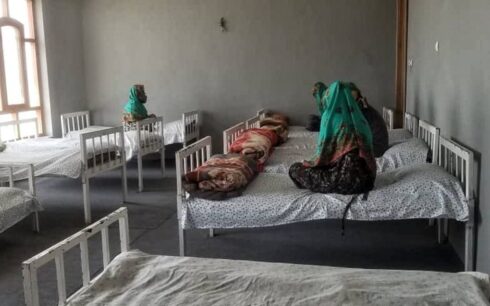
The closure of hundreds of facilities risks deepening those pressures. In many rural communities, the loss of a single clinic can force patients to travel long distances for treatment, an expense that the poorest families may be unable to afford.
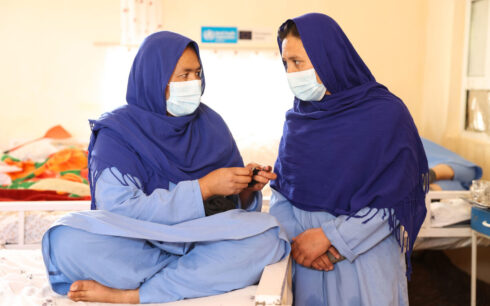
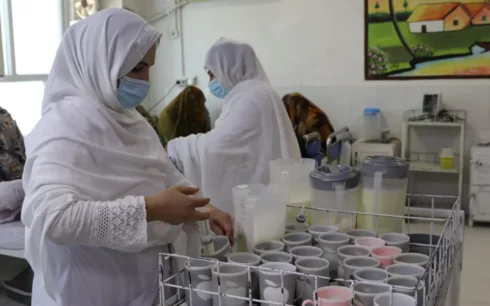
Women and children are particularly vulnerable to reductions in local services. The WHO has warned that the closure of health facilities means fewer children are being reached with vaccinations and fewer women have access to essential maternal care.
The funding crisis is unfolding as humanitarian organizations confront shrinking resources across Afghanistan. International aid agencies have repeatedly warned that declining donor support is forcing them to reduce services even as humanitarian needs remain widespread.
For Afghanistan’s health sector, the immediate consequences are already visible: hundreds of facilities are no longer operating, millions of people have lost access to services, and the WHO has received less than one-fifth of the funding it says it needs for its response this year.
Without additional financing, health officials warn, further service reductions could leave more communities without even the most basic medical care.