Women and girls in the northern province of Balkh say years of Taliban restrictions on education and employment have left many struggling with depression, anxiety and other mental health problems, as psychologists report a growing demand for counseling services.
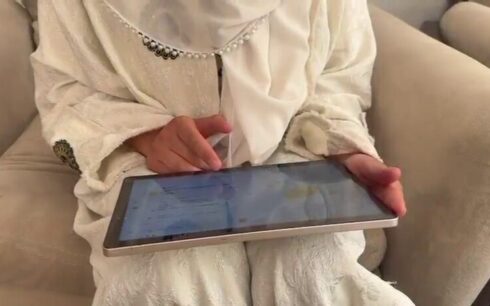
Nearly five years after the Taliban returned to power, women remain barred from secondary schools, universities and most forms of employment, leaving many confined to their homes with few opportunities for study or work.
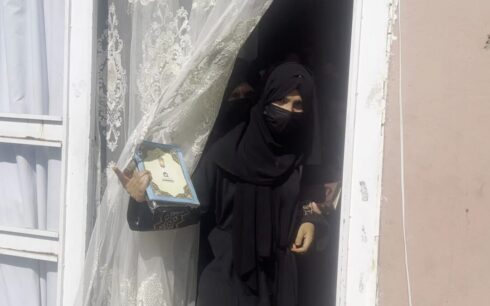
“I’ve been feeling depressed for some time,” said Samira, a former teacher in Balkh. “I used to teach every day and spend time with my students. Now I stay at home without work. Every day feels the same, and the psychological pressure is overwhelming.”
Many women said losing their jobs and educational opportunities has left them uncertain about the future.
“I feel restricted from every direction,” said Nargis, another resident of Balkh. “If I have energy for one day, I spend the next 10 days feeling depressed. The pressure is so great that I can’t get anything done. I’ve lost my motivation, and my plans for the future have disappeared.”
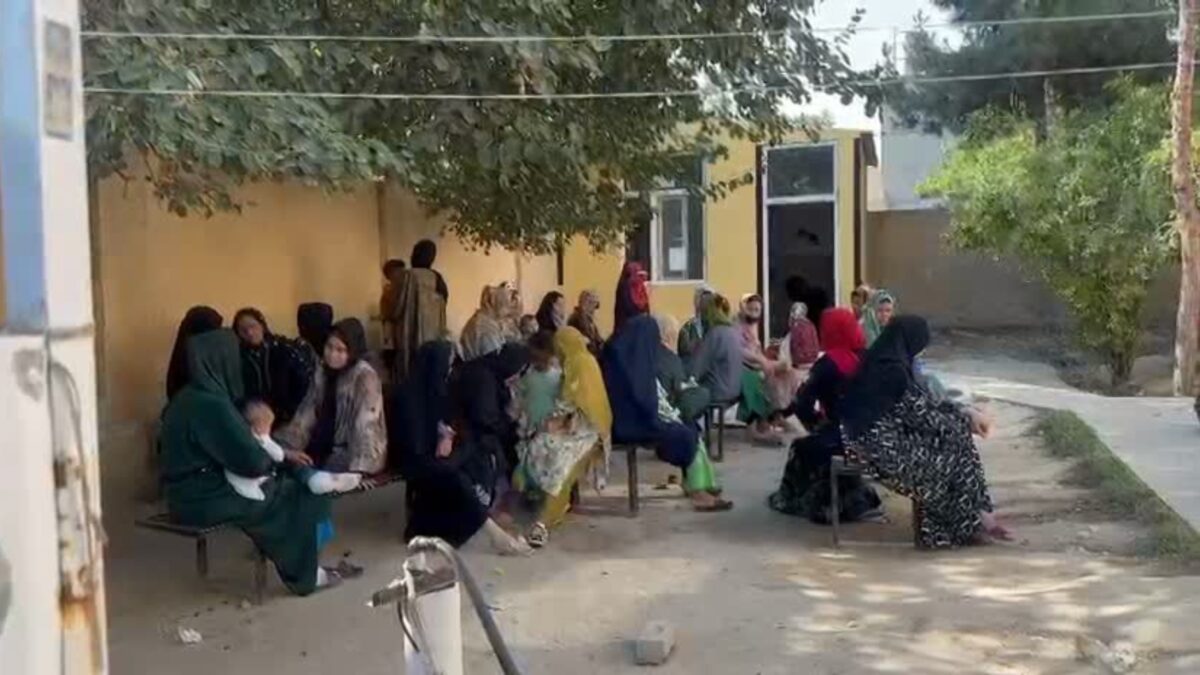
Some women called for expanded access to mental health services, saying counseling centers remain scarce despite growing need.
“I hope there will be clinics or centers that provide psychological treatment and counseling,” said Najiba, a resident of Balkh. “We have health facilities in our city, but there is nowhere people can go for psychological support.”
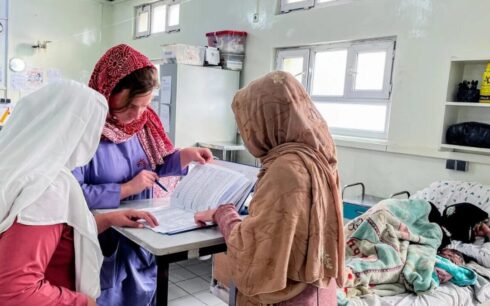
Mental health professionals in Balkh say they have seen a rise in patients experiencing depression, particularly among young adults.
“Most of the women and men who come to us with depression, especially those between the ages of 18 and 35, say unemployment, economic hardship, social isolation and social restrictions are the main causes of their condition,” said Rezwana Rahimi, a psychological counselor.
The reports come as UN Women has warned that declining international aid and a funding crisis facing women’s organizations in Afghanistan could further weaken services that provide psychological and social support to women.
Since returning to power in August 2021, the Taliban have imposed sweeping restrictions on Afghan women and girls, drawing widespread international condemnation. The Taliban say their policies are consistent with their interpretation of Islamic law, while the United Nations has described the measures as among the world’s most severe restrictions on women’s rights.