A former intelligence officer and a tribal elder have been killed in separate attacks in central Afghanistan, local sources said, the latest in a series of unexplained killings that have raised concerns about the safety of former government officials and community leaders under Taliban rule.
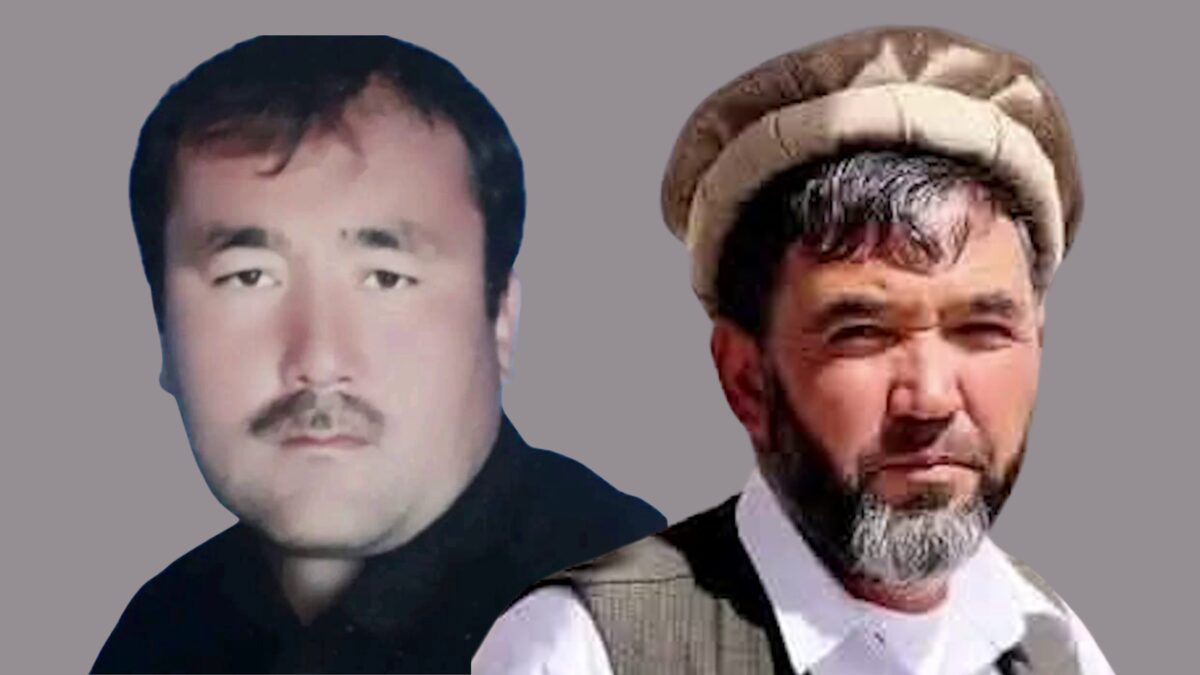
Local sources told Amu TV that Mohammad Ali Toofan, a former officer with Afghanistan’s National Directorate of Security, was shot dead by unidentified gunmen in Shahristan district of Daikundi Province. The motive for the killing and the identity of the attackers remain unknown.
“Under the Taliban’s general amnesty decree, all Afghans should be able to live peacefully and securely in their own country—not be taken to prison or to the slaughterhouse,” said Akhtar Mohammad Rasekh, a military affairs analyst.
In a separate incident, local sources said Qader Ali Rifat, a tribal elder from Qarabagh district in Ghazni province, was found dead on Friday after disappearing while traveling to the Tamaki market.
His body, bearing signs of violence, was discovered in the Kharmun Gul area of the district, according to the sources. The circumstances surrounding his death remain unclear.
“Many of these individuals are being killed under mysterious circumstances, and no person or group has claimed responsibility,” said Najibur Rahman, a political analyst. “These incidents deepen Afghanistan’s humanitarian crisis and further erode public confidence.”
No group has claimed responsibility for either killing.
The Taliban have not publicly commented on the two cases or announced any arrests. In many similar incidents reported in recent years, authorities have provided little information about investigations or the identities of those responsible.
The killings come about a week after another former member of Afghanistan’s security forces was found dead near his home in Taywara district of Ghor province, according to local sources.
The United Nations Assistance Mission in Afghanistan (UNAMA) has repeatedly expressed concern over reports of killings, arbitrary arrests and other abuses targeting former members of the previous Afghan government and security forces, despite the Taliban’s announcement of a general amnesty following their return to power in August 2021.
Taliban have consistently denied carrying out retaliatory killings and say former government employees who have not committed crimes are protected under the amnesty. However, many reported cases remain unresolved, with no public findings from official investigations.