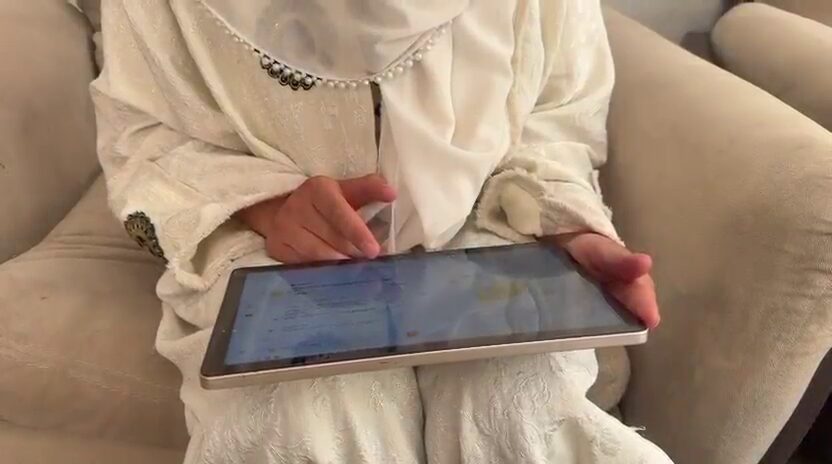
Girls barred from secondary schools and universities say online education has offered a way to continue learning, but they insist it cannot replace classroom instruction after years of restrictions imposed by the Taliban.
Students say unreliable electricity, weak internet connections and limited access to computers and other learning tools have made online education difficult, while leaving them isolated from teachers and classmates.
Nahid, an 11th-grade student, is among thousands of girls whose education was interrupted by the Taliban’s ban on secondary schooling. She said she has been unable to attend school for four years and has spent the past year studying through an online school.
“It’s true that I study online, but it can never replace in-person education,” she said. “We should be in classrooms learning directly from our teachers. When the schools closed, I was devastated. We want to study, graduate and build a future for ourselves.”
Another student, Ada, said online learning has allowed her to continue her education but has been undermined by persistent infrastructure problems.
“Online classes are helpful, but they come with many challenges,” she said. “Sometimes there is no electricity, sometimes there is no internet, and we don’t have enough equipment. In-person education is much better, but I’m still grateful that at least there is a way to keep learning.”
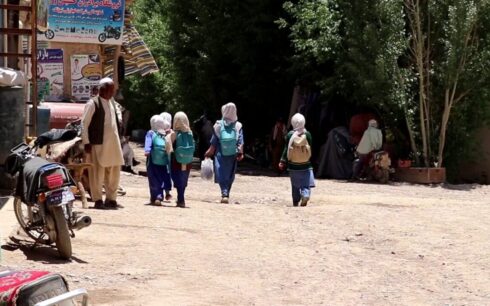
Girls in Afghanistan have been barred from attending school beyond the sixth grade for nearly five years. Universities have also remained closed to female students for almost four years.
Despite repeated calls from Afghans, Muslim-majority countries and the international community, the Taliban have shown no indication that they intend to lift the restrictions on girls’ education.
For many Afghan girls, online classes have become a lifeline. But they say the experience falls far short of the education—and the future—they believe has been taken from them.