Fuel prices have risen sharply in Herat over the past 10 days, drivers and farmers say, increasing operating costs and putting further pressure on livelihoods already strained by economic hardship.
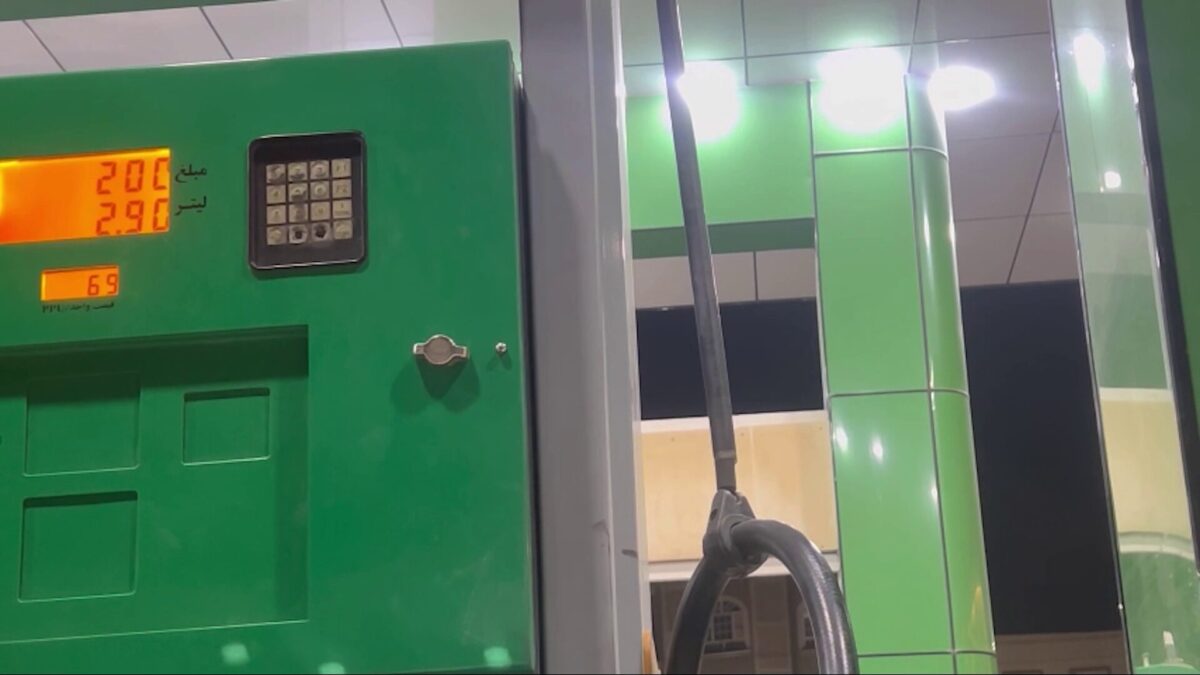
A review of fuel markets in Herat city found that the price of petrol had risen by 15 to 20 afghanis (23 to 31 cents) a liter over the period. Premium petrol was selling on Wednesday for 80 to 83 afghanis ($1.25 to $1.30) a liter, compared with 65 to 67 afghanis ($1.05) about 10 days earlier.
Regular petrol was selling for 77 to 80 afghanis ($1.20 to $1.25) a liter, while diesel had reached about 80 afghanis. Liquefied petroleum gas was selling for 60 to 63 afghanis ($0.99) a liter.
Drivers said the increase had sharply reduced their earnings, particularly for those operating three-wheeled taxis and other small vehicles.
Mohammad Qurban, a three-wheeler driver, said the rising cost of petrol had made some routes barely economical.
“We take four passengers and each pays 10 afghanis, so we earn 40 afghanis,” he said, describing one of his regular routes. “But on the same route, the three-wheeler consumes petrol worth 80 afghanis.”
Another driver, Mukhtar, called on the authorities to intervene, saying many residents depended on daily labor and small-scale transportation work for their income.
“People are very poor, and many have no option other than daily labor,” he said.
The higher fuel prices are also affecting farmers preparing land for summer crops.
Farmers said the cost of hiring tractors had increased along with diesel prices, forcing them to pay as much as 2,000 afghanis for an hour of plowing.
Aminullah, a farmer in Herat, said the increase had added substantially to the cost of preparing agricultural land.
“We pay the tractor owner 2,000 afghanis ($31) for an hour,” he said. “The tractor owner has his own costs because fuel prices have gone up.”
The Taliban-run petroleum authority and the standards agency in Herat have not publicly explained the sudden increase.
Residents questioned why prices had risen so rapidly, noting that border crossings remained open and saying they had seen no comparable surge in global oil prices.
The cause of the local price increase remains unclear. Taliban authorities have not said whether it is linked to supply disruptions, transportation costs, currency movements or pricing practices in the local market.
For drivers and farmers whose incomes depend directly on fuel costs, however, the effect has been immediate. The price increase has raised the cost of moving passengers and preparing farmland, leaving workers with shrinking margins and few alternatives.