Nearly three-quarters of Afghanistan’s population cannot meet basic needs, United Nations agencies warned on Monday, as mass returns from neighboring countries, poverty and recurring climate and natural disasters place growing pressure on an already fragile economy.
About 29 million people, or 74 percent of the population, are unable to meet their basic needs, according to the United Nations Development Program. The agency said four decades of war, the return of 2.7 million Afghans, worsening climate shocks and declining participation by women in the economy were straining livelihoods and essential services.
“In Afghanistan, crises rarely happen one at a time,” said Alexander De Croo, the administrator of the UNDP.
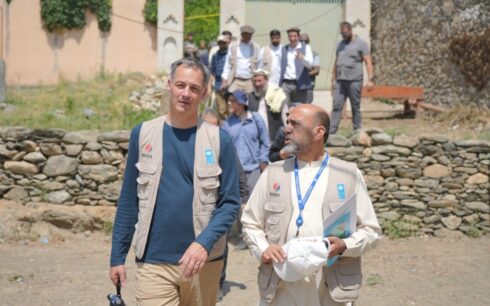
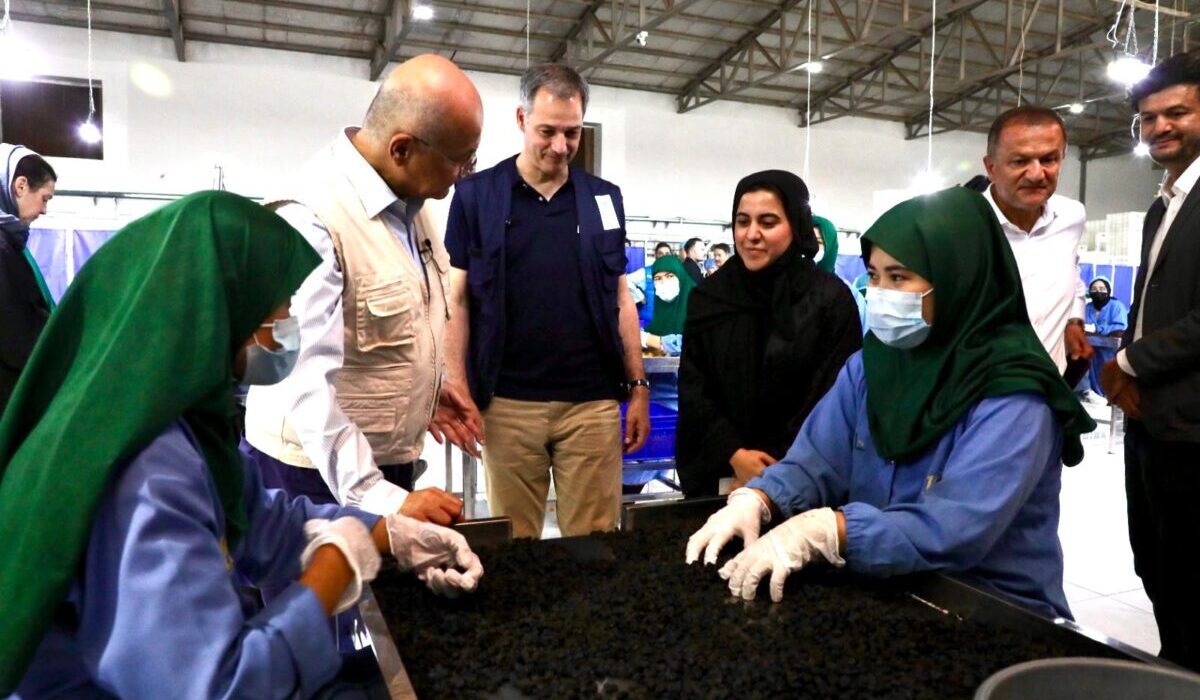
De Croo is visiting Afghanistan with Barham Salih, the United Nations high commissioner for refugees. The two officials are meeting returnees, communities, aid organizations and authorities to assess displacement and recovery efforts.
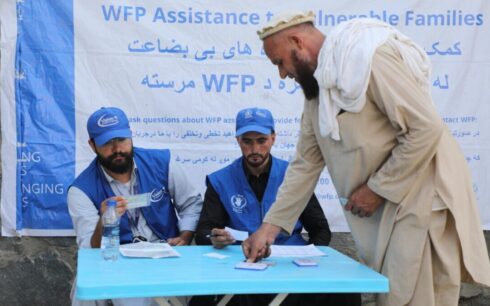
Afghanistan faces one of the world’s largest displacement crises. The arrival of millions of returnees has added pressure to communities already struggling with poverty, unemployment, drought and the effects of earthquakes and other natural disasters.
During their visit to eastern Afghanistan, the UN officials met communities affected by an earthquake and traveled to the Sutan Valley, where recovery projects are intended to reduce the risk of future disasters while creating employment.
One project combines flood protection and irrigation work, with women making wire mesh and men producing bricks for barriers designed to protect farmland and communities from flooding.
“Emergency aid saves lives,” De Croo said. “Development gives people their lives back.”
The United Nations is also supporting longer-term recovery projects in northern Afghanistan, where large numbers of returnees and internally displaced people have settled.
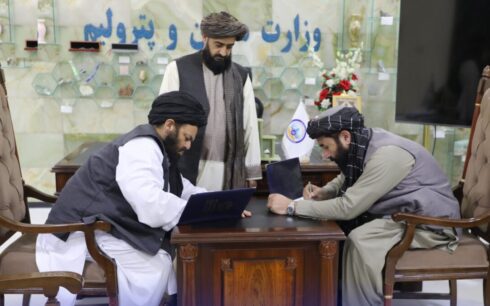
A project backed by the Special Trust Fund for Afghanistan is working in 69 displacement-affected communities across three districts in Kunduz and Baghlan provinces. The initiative aims to improve access to housing, basic services and economic opportunities for returnees, displaced people and host communities.
According to the United Nations, the project has cleared 6,478 square meters of mine-contaminated land in 11 communities and identified 28 small infrastructure projects, including flood-protection walls, irrigation improvements and community access routes.
The initiative has also identified 425 households for permanent housing assistance in areas with large concentrations of returnees.
UN agencies have repeatedly warned that Afghanistan’s ability to absorb returning migrants is being undermined by declining humanitarian funding and limited economic opportunities. Restrictions on women’s education, employment and movement have further weakened household incomes and constrained the country’s prospects for economic recovery.