At least 101 people have been killed and 198 others injured in traffic crashes across Afghanistan since the start of the current solar year in late March, according to a review of the incidents by Amu TV.
The review identified 120 traffic crashes across several provinces. Fourteen children were among those killed.
The figures are based only on incidents reported by Amu and do not represent a comprehensive national count. The actual toll may be higher. Taliban authorities responsible for traffic and road safety did not provide official figures or respond to requests by Amu TV to discuss the apparent increase in crashes.
The review found that many of the reported crashes occurred along the Kabul-Herat and Kabul-Jalalabad highways and in Badakhshan Province.
The consequences often extend beyond the immediate death toll. Kamaluddin, a resident of Helmand province, said his wife had recently suffered serious injuries in a crash, leaving the family under financial strain.
“My wife’s head and arm were injured,” he said. “I cannot go out to work, and I do not even have 100 afghanis with me.”
Separate figures released by Taliban authorities show that nearly 80 traffic crashes were recorded during the Eid al-Adha holiday period alone in Paktia, Ghazni, Kunar and Balkh provinces.
Residents cited speeding, reckless driving and disregard for traffic rules as major causes of crashes. Some also pointed to narrow roads that have struggled to accommodate growing traffic.
“The population has increased, but the roads are still narrow,” said Ezzatullah, a resident of Ghor province. “Drivers are careless, and some drive at high speeds.”
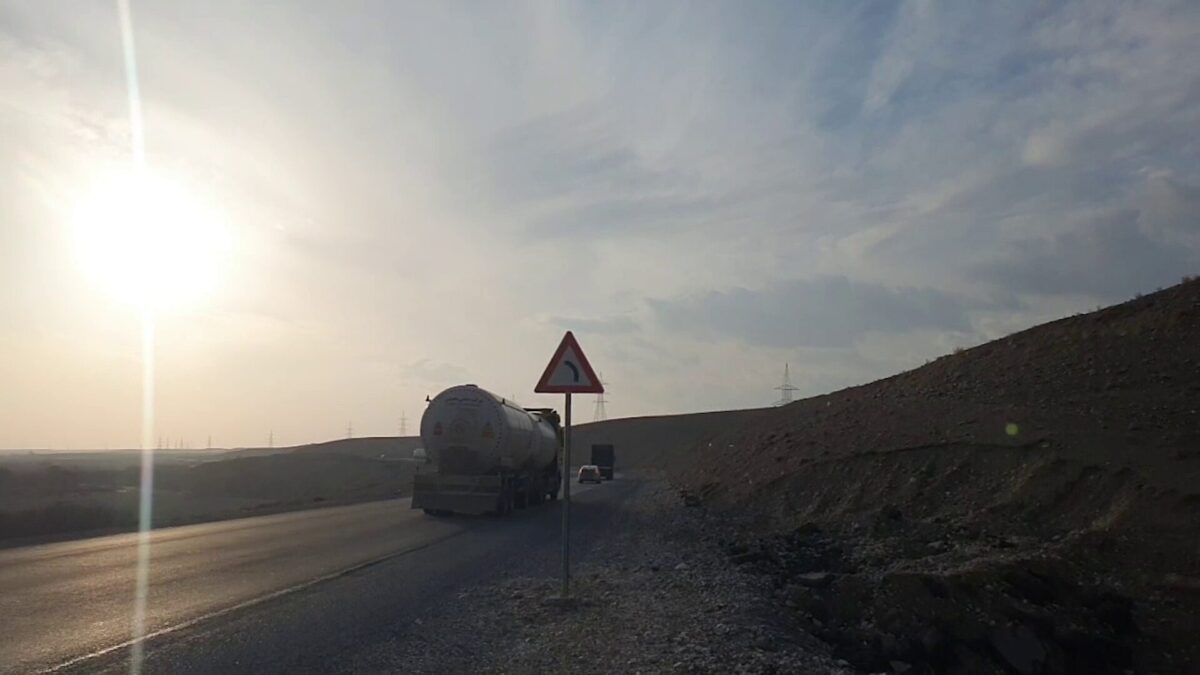
Drivers, however, say deteriorating roads and a lack of traffic signs also contribute to the problem.
“There are very few traffic signs on the roads,” said Abdul Naser, a driver. He said some commercial drivers may also feel pressure to drive faster to increase their earnings, while narrow roads and inadequate signs make travel more dangerous.
Afghanistan has long struggled with deadly road crashes, particularly on major highways where poor road conditions, limited enforcement of traffic rules and reckless driving have frequently been cited as contributing factors.
Taliban have not provided details of any broader road-safety plan or measures being taken to reduce the number of crashes.