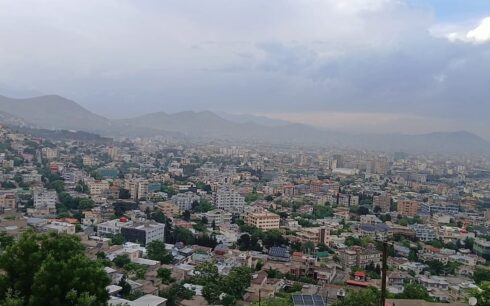
Residents of Herat province in western Afghanistan say groundwater levels have fallen dramatically as farmers increasingly rely on underground freshwater to irrigate crops, worsening an already severe water crisis.
They said that years of pumping groundwater for agriculture have caused water tables to drop to unprecedented levels, making it increasingly difficult for households to access safe drinking water.
In Guzara district, where groundwater is widely used to irrigate farmland, residents said wells that once reached water at a depth of about five meters now require drilling to 20 meters or more. In some areas, they said, groundwater has receded to depths of 50 meters.
“Now, in July, the water level is around 18 to 20 meters below the surface,” said Mohammad Ramin, a resident of Herat. “By September, it drops even further. When the water level falls, solar-powered pumps become less effective, and irrigating farmland becomes much more difficult.”
Another resident, Abdul Fattah, said groundwater resources in his area had declined sharply.
“About half of our water has disappeared,” he said. “Our entire area has become dry.”
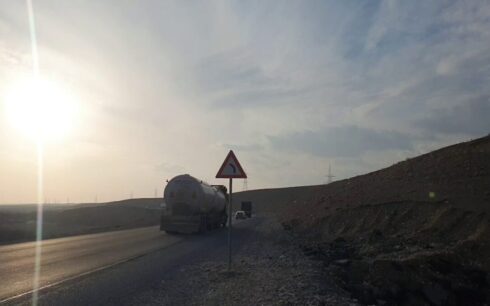
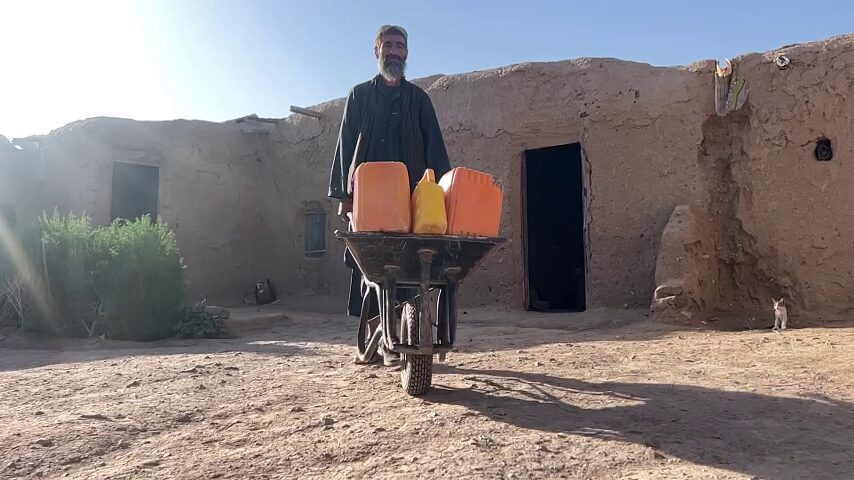
The problem is particularly acute in Zawol district, near the border with Farah Province, where residents say groundwater levels have fallen to between 35 and 50 meters. Many families now rely on water systems built by humanitarian organizations, but residents say supplies remain inadequate.
“There is very little water, and it cannot be distributed equally to all households,” said Kamaluddin, a resident of the district.
According to local residents, the use of groundwater for irrigation has expanded significantly across Herat over the past five years, particularly in the districts of Injil, Guzara, Zendajan, Pashtun Zarghun, Obe and Shindand. Residents say the increased extraction has accelerated the decline of groundwater reserves and made access to drinking water more difficult.
“Solar-powered water systems are limited here, and we do not have enough water to meet our needs,” another resident, Sardar Wali, said.
The United Nations has warned that Afghanistan’s water crisis is worsening. In a report published last year, the UN said drought conditions nearly doubled compared with the previous year and that environmental pressures have significantly reduced access to water across the country.
Water shortages, driven by prolonged drought, climate change and increasing demand, have become one of Afghanistan’s most pressing environmental challenges, particularly in the country’s western and southern provinces.