Fuel prices have risen up to 25% in Afghanistan’s major cities in the past two days as escalating tensions in the Middle East disrupt regional energy markets, increasing costs for households and businesses.
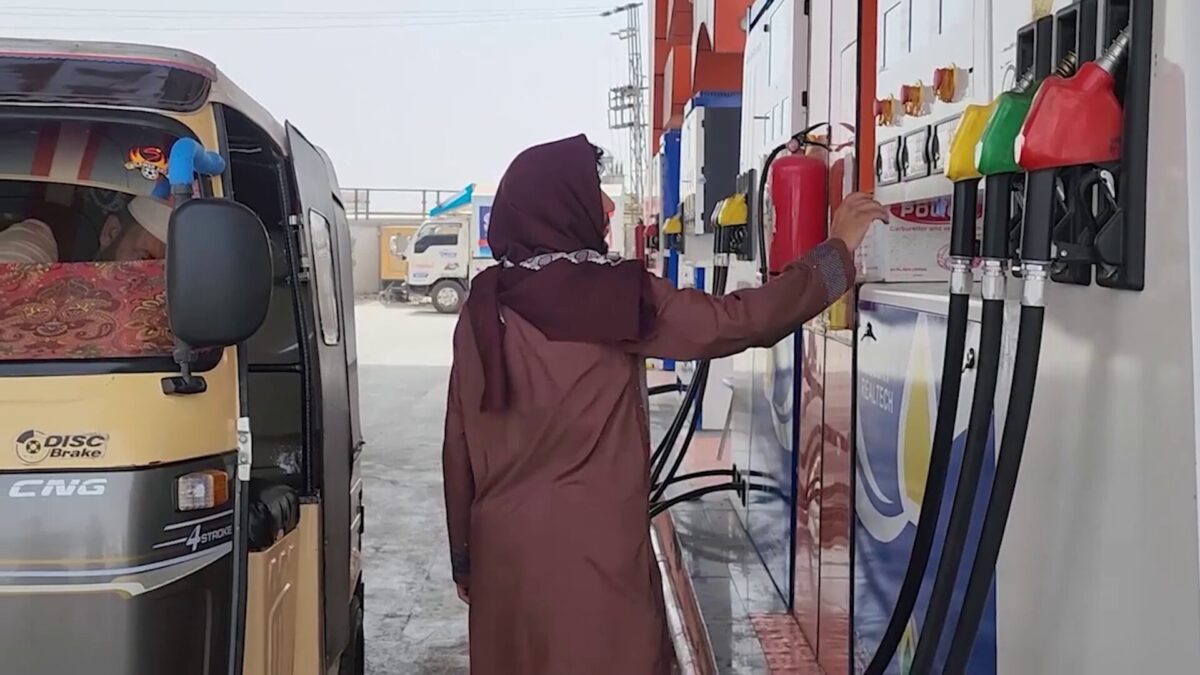
Residents in Kabul, Kandahar, Herat and Badghis told Amu TV that the price of liquefied petroleum gas (LPG) has increased by as much as 20 afghanis (about $0.30) per kilogram, while gasoline and diesel prices have risen by up to 17 afghanis (about $0.26) per liter.
In Kandahar, residents said the higher cost of fuel has also pushed up transportation fares and the prices of other essential goods.
“Fuel used to cost about 50 afghanis per liter,” said Kamaluddin, a Kandahar resident. “Now it has reached 70 to 72 afghanis.”
Another resident, Yaqoub, said gasoline was selling for 80 afghanis (about $1.21) per liter.
“Fuel prices are increasing day by day,” he said.
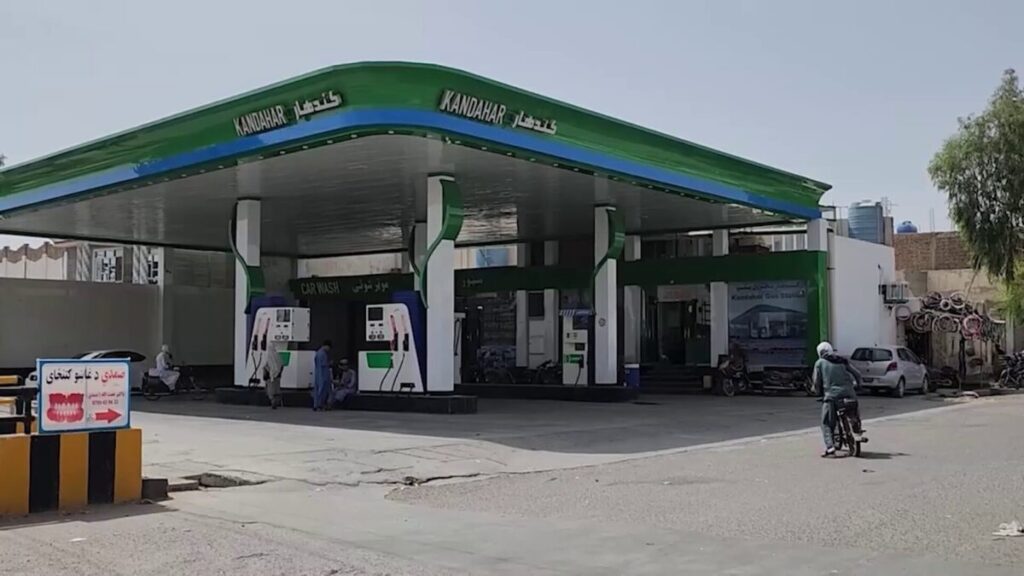
The Taliban-run municipality in Kandahar said it does not have the authority to set fuel prices but has pledged to prevent hoarding.
Municipal spokesman Saifullah Asim said local authorities had formed a 12-member committee to monitor the prices of food and other essential commodities.
Residents in Herat and Badghis also said the price increases have worsened living conditions as many families struggle with rising poverty.
“We work as laborers, but fuel now costs 80 afghanis a liter,” one Herat resident said. “By the time we drive home from the city, the fuel is gone.”
According to residents, LPG prices have risen from 58 afghanis to 75 afghanis (about $1.14) per kilogram, while gasoline has increased from 68 afghanis to 85 afghanis (about $1.29) per liter, although prices vary by province and local market.
The International Energy Agency estimates that Afghanistan consumes about 57,740 barrels of petroleum products per day—equivalent to roughly 9.2 million liters—including gasoline, diesel, liquefied petroleum gas and aviation fuel.
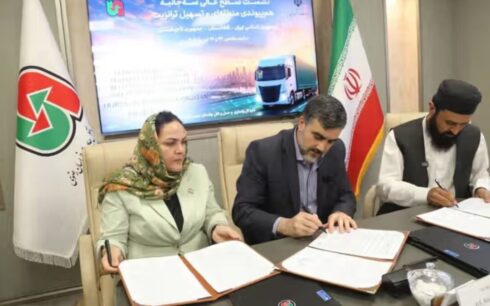
Afghanistan produces little oil or natural gas domestically and relies heavily on imports. According to the Afghanistan Chamber of Commerce and Investment, the country imports most of its petroleum products from Iran, Turkmenistan, Russia, Kazakhstan and Uzbekistan, leaving it vulnerable to regional supply disruptions and price fluctuations.