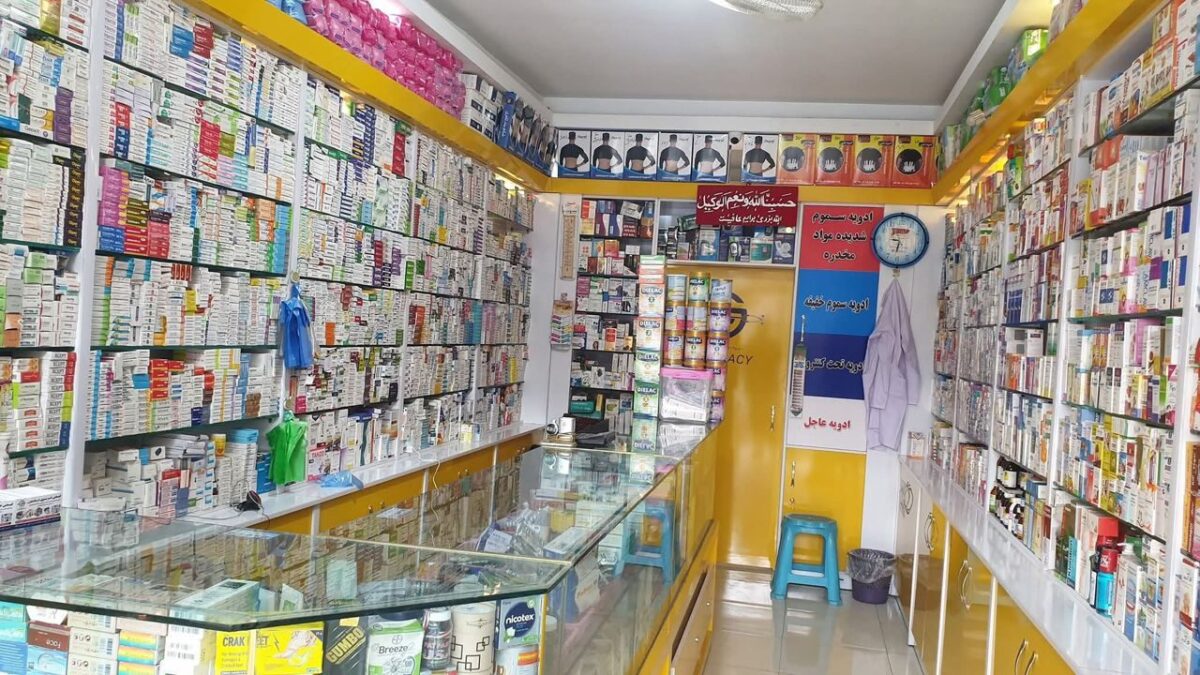
About 100 pharmaceutical companies have received licenses to produce medicines in Afghanistan since imports from Pakistan were halted, the Taliban’s industry and commerce minister said, a rapid expansion that he portrayed as part of a push to reduce the country’s dependence on imported goods.
Speaking at the closing ceremony of the fifth International Industry and Mining Week exhibition in Kabul, Nooruddin Azizi said the licenses had been issued after the disruption of trade and transit routes through Pakistan.
Azizi criticized the closure of those routes as an injustice to Afghanistan and said the resulting disruption had encouraged domestic investment in pharmaceutical production.
He also claimed that Afghanistan was now self-sufficient in 15 types of medicine. He did not identify the medicines, say how many of the newly licensed companies had begun production or provide figures showing how much of the country’s pharmaceutical demand was being met domestically.
Taliban halted pharmaceutical imports from Pakistan amid a sharp deterioration in relations with Islamabad. The decision raised concerns about supplies and prices in Afghanistan, which has long relied heavily on imported medicines. Some residents have since reported higher drug prices in local markets.
Azizi said 5,900 companies had received operating licenses since the Taliban returned to power in August 2021 and claimed that most were active.
He also said Afghanistan had achieved self-sufficiency in battery production and that the Taliban authorities planned to restrict battery imports and raise customs tariffs to protect domestic manufacturers.
According to Azizi, manufacturing companies received 1.6 million tons of raw materials last year. He said Afghanistan now produces as many as 2,000 types of goods, including medicines.
Azizi did not provide data on the production capacity of the newly licensed pharmaceutical companies, the quality-control standards governing them or how quickly their products could replace medicines previously imported from Pakistan.