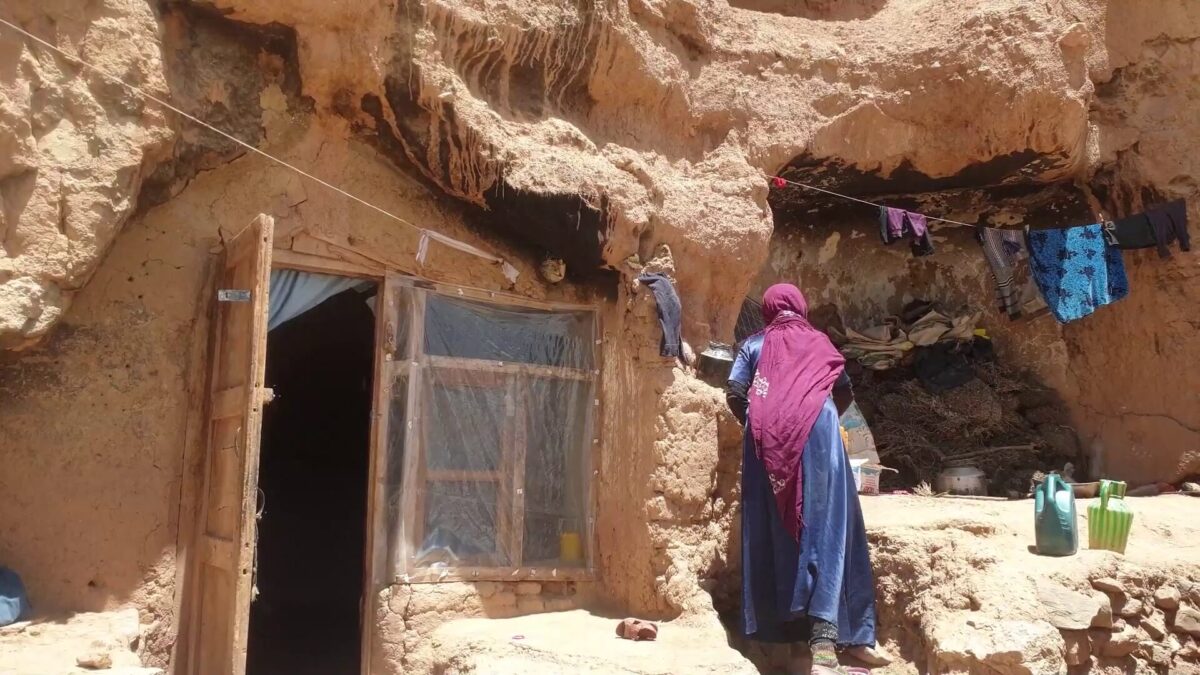
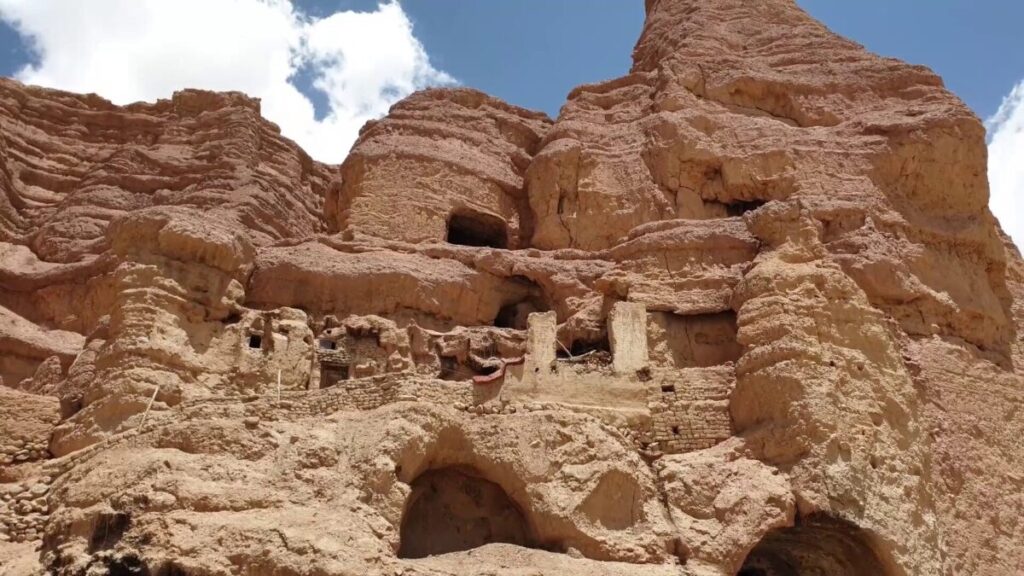
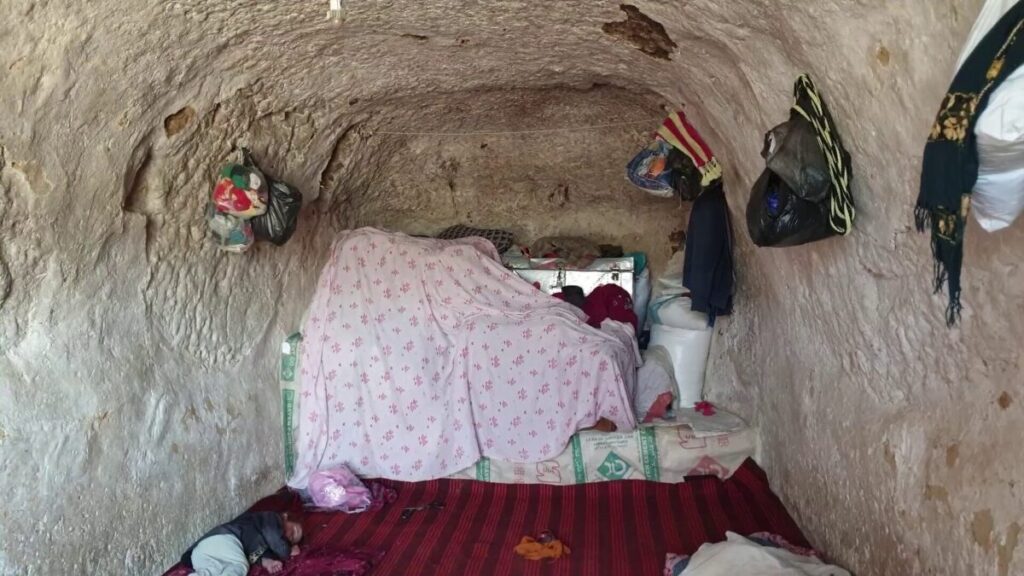
Several families in Afghanistan’s central province of Bamiyan continue to live in small caves carved into the cliffs surrounding the site of the ancient Buddha statues, saying poverty and a lack of affordable housing have left them with no alternative.
Residents told Amu TV that years of economic hardship and unemployment have prevented them from securing proper homes, forcing them to remain in cliffside shelters that lack basic services and protection from the elements.
According to local sources, there are roughly 2,000 caves in the area around the historic Bamiyan Buddha niches. While many are unoccupied or used for other purposes, some continue to serve as shelter for impoverished and displaced families.
The conditions are particularly difficult during the winter months, residents said, when freezing temperatures make daily life even more challenging.
“This place is full of insects and other problems,” said Nikbakht, a resident living in one of the caves. “We live here with many difficulties.”
Residents said the caves lack many of the necessities associated with safe housing, including adequate insulation, sanitation and reliable access to basic services.
Some families said they have repeatedly received promises of assistance from various organizations and officials but have yet to receive lasting support or alternative housing.
“People come, but no one really helps,” said Razia, another cave resident. “Sometimes they give charity. My oldest child is old enough to understand our situation now. Sometimes he cries because there is nothing to eat.”
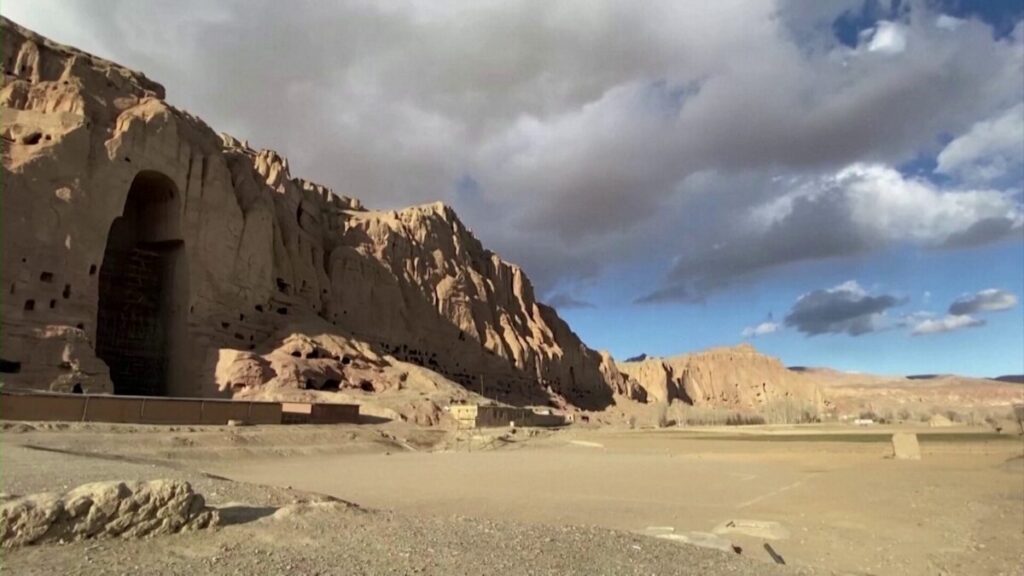
The plight of families living in Bamiyan’s caves highlights the broader economic challenges facing many Afghans amid widespread poverty and unemployment.
Residents are calling on government authorities and humanitarian organizations to provide sustainable housing solutions and support for vulnerable families who continue to live in the centuries-old caves.
Despite their historic significance and popularity as a tourist destination, parts of the Bamiyan cliff complex remain home to families struggling to meet their most basic needs.