Residents of a remote village in central Afghanistan say the lack of reliable telecommunications has left them cut off from basic services, forcing some to travel for hours just to make a phone call.
In Zardgiyah, a village in Yakawlang district of Bamiyan province, about 85 kilometers from the provincial capital, roughly 400 families live with little to no consistent mobile or internet access, according to local residents.
Villagers say only one telecommunications provider, the state-owned Salaam network, operates in the area — and even that service is limited and unreliable. During the day, they said, connections are weak and often restricted to basic calls. At night, the signal typically disappears altogether.
“Our village is about 85 kilometers from Bamiyan city,” said Fahim, a resident of Yakawlang. “We only have one network, Salaam, and it doesn’t work at night. Even during the day, it only allows simple calls.”
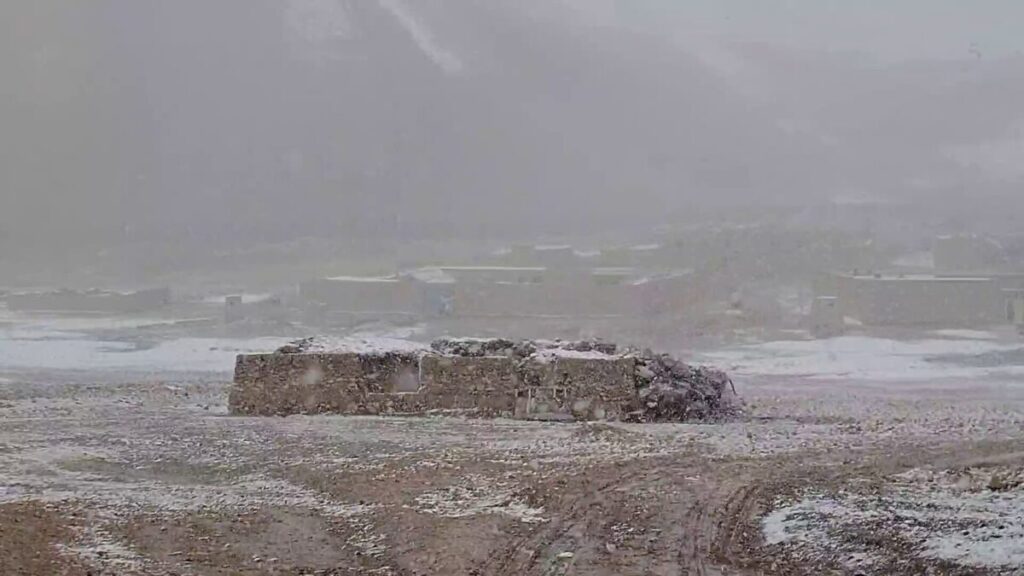
For many, the lack of coverage has become more than an inconvenience. Residents say they are sometimes forced to travel long distances to higher or more accessible areas to place a call, particularly in emergencies.
“We live in the 21st century, and communication services are essential,” said Mohammad Reza, another resident. “Even with Salaam, the network cuts off at night, and on cloudy days we often have no signal at all.”
The absence of reliable telecommunications has compounded the isolation of the village, affecting access not only to communication but also to education, health care and other essential services.
Residents say the problem has persisted for years, with little improvement, and are urging authorities to expand coverage and provide stable internet access.
As Afghanistan continues to grapple with limited infrastructure in rural areas, communities like Zardgiyah remain among the most disconnected, highlighting the widening gap between urban centers and remote regions.