Afghanistan’s Chamber of Commerce and Investment said prolonged border closures with Pakistan have inflicted heavy losses on both countries, warning that bilateral trade has become politicised as disruptions enter a fourth month.
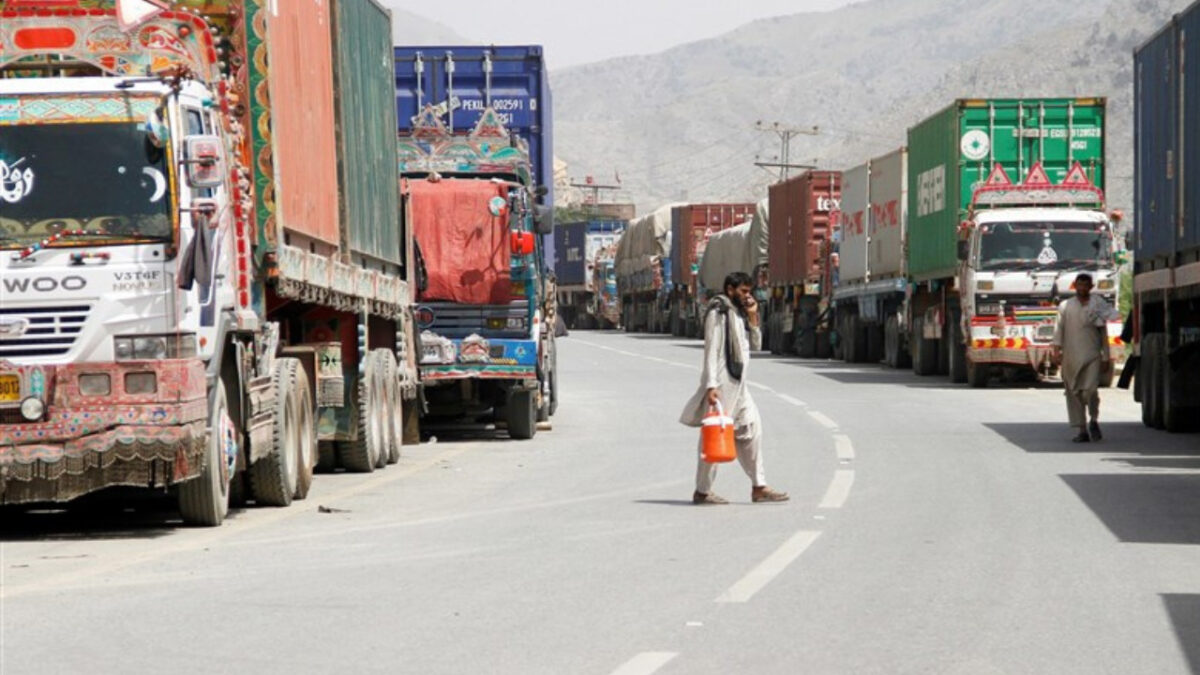
Members of the chamber’s board said Pakistan is losing about $200 million a month due to the closures, which have been in place for around 107 days, severely affecting imports of key goods that Afghanistan depends on from Pakistan.
“Pakistan needs us and we need Pakistan, but unfortunately trade has become political and that is why the routes are closed,” said Khan Jan Alokozay, a board member of the chamber. He said Taliban authorities were prepared to reopen the crossings if guarantees were put in place to prevent future closures linked to political or security disputes.
The extended shutdown has disrupted supplies of food items largely imported from Pakistan, including flour, rice, vegetables and poultry, and has pushed up prices in Afghanistan’s markets, investors said.
Market data cited by the chamber show a 50-kg bag of rice selling for about 4,500 Afghanis ($68), flour at around 1,600 Afghanis ($24), and cooking oil at roughly 2,000 Afghanis ($30). Chicken prices have also risen due to supply disruptions, investors said.
Fuel prices have remained relatively stable, as Afghanistan imports petrol and diesel mainly from Central Asia and Iran rather than Pakistan. Petrol sells for about 59–61 Afghanis per litre ($0.89–$0.92), while diesel costs around 60–63 Afghanis ($0.91–$0.95). Gas prices stand at roughly 55–56 Afghanis per kilogram ($0.83–$0.85).
Medicine prices have risen by up to 8%, according to market estimates.
A Taliban official at the finance ministry previously said customs revenues at eastern and southern border points, including Torkham and Spin Boldak, had fallen sharply, resulting in losses of millions of Afghanis.
On the Pakistani side, the Pakistan Chamber of Commerce has said more than 12,000 commercial containers are stranded at the border and has called for the immediate reopening of crossings.
The border closures followed deadly clashes between Taliban forces and Pakistani troops in October 2025, straining already fragile trade ties between the two sides.