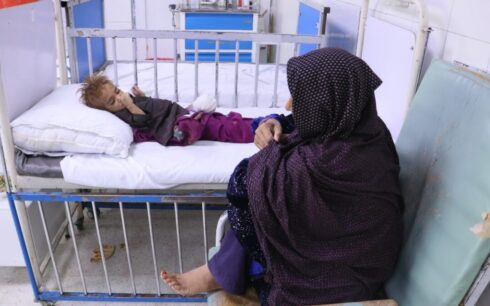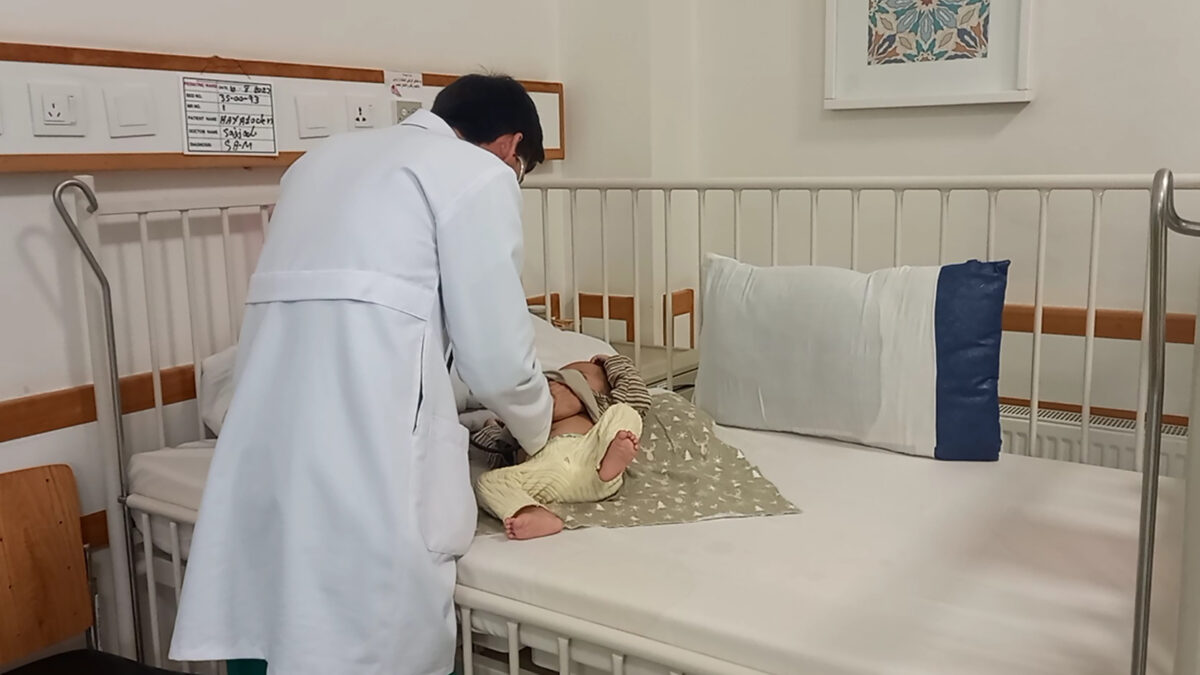
At least 357 children in Afghanistan died from measles in the first half of 2025, part of a wider health and humanitarian crisis that has left 12 million children in need of assistance, UNICEF said in a new report.
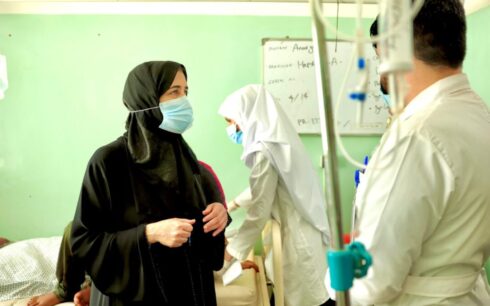
The UN children’s agency documented more than 74,800 suspected measles cases between January and June, nearly 80% of them among children under 5. Other preventable illnesses also remain widespread, with 73,570 cases of acute watery diarrhea, 12 associated deaths and more than 824,000 cases of respiratory infections and pneumonia recorded in the same period.
UNICEF said Afghanistan is grappling with one of the most urgent but under-addressed child nutrition crises in the world. More than 3.5 million children suffer from wasting, the most dangerous form of malnutrition, including 1.4 million at heightened risk of death. Over 85% of those are younger than 2.
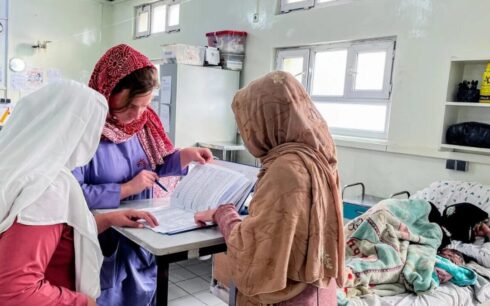
From January to June, more than 9.5 million children were screened for wasting, with nearly 275,000 admitted for outpatient care and more than 23,000 for inpatient treatment.
The report said decades of conflict, entrenched poverty, climate shocks and collapsing social services have left more than 22.9 million people — over half of Afghanistan’s population — in need of humanitarian aid this year.
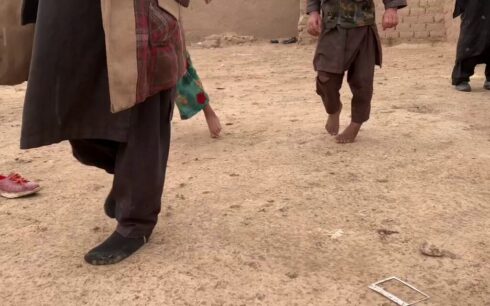
A surge of mass deportations from Iran has deepened the crisis. Between January and June, more than 714,000 Afghans returned, 99% of them undocumented and 70% forcibly expelled, UNICEF said. The arrivals have strained border resources and overwhelmed local communities already struggling with poverty and food insecurity.
During the May-to-October period, about 9.5 million people — one-fifth of the population — are projected to face crisis or emergency levels of hunger, according to the report.
UNICEF appealed for $1.2 billion in 2025 to continue its work in Afghanistan, but said its humanitarian appeal is only 51% funded. The agency thanked governments and private partners for contributions but warned that critical funding gaps threaten to undermine the response.
“Throughout 2025, with both humanitarian and basic human needs at dire levels, our unwavering shared commitment to the people of Afghanistan will be crucial to alleviate acute suffering and to reduce preventable deaths, particularly among children and women,” UNICEF said.