Fuel prices have continued to rise in markets across the country, particularly in Kabul, adding to living costs and reducing the earnings of drivers and other workers who depend on petrol and gas for their livelihoods.
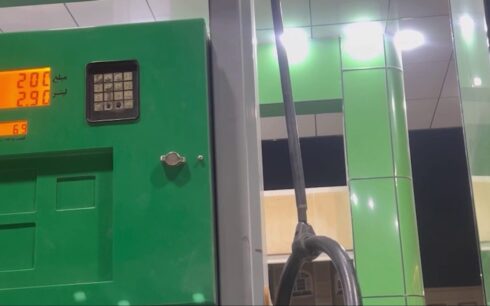
In Kabul, petrol is selling for about 72 afghanis ($1.13) a liter, diesel for 68 afghanis ($1.06) a liter and liquefied petroleum gas for 60 afghanis ($0.94) a liter.
Drivers say they have been particularly affected because passenger fares have remained largely unchanged while their operating costs have increased.
“When prices go up, passengers still pay the same fare, but we have to spend more on fuel,” said Sharif, a driver in Kabul. “In the end, there is nothing left for us.”
Officials at the Afghanistan Chamber of Commerce and Investment attributed the increase primarily to higher global oil prices and a decline in fuel imports.
But a source at the chamber raised concerns about competition in the import market, saying fuel and gas imports had been concentrated among a small number of favored traders who were able to raise prices. The claim could not be independently verified.
The increase comes amid broader economic hardship in Afghanistan, where many households depend on irregular employment and daily wages. Higher fuel prices can also raise transportation and distribution costs, potentially adding pressure to the prices of other goods.
Lal Mohammad, another driver, called on relevant institutions to take steps to lower prices and ease the burden on workers.
“Our request to the authorities is that, if they hear the people’s voices, they should make it easier for us to work and take serious steps to reduce prices,” he said.
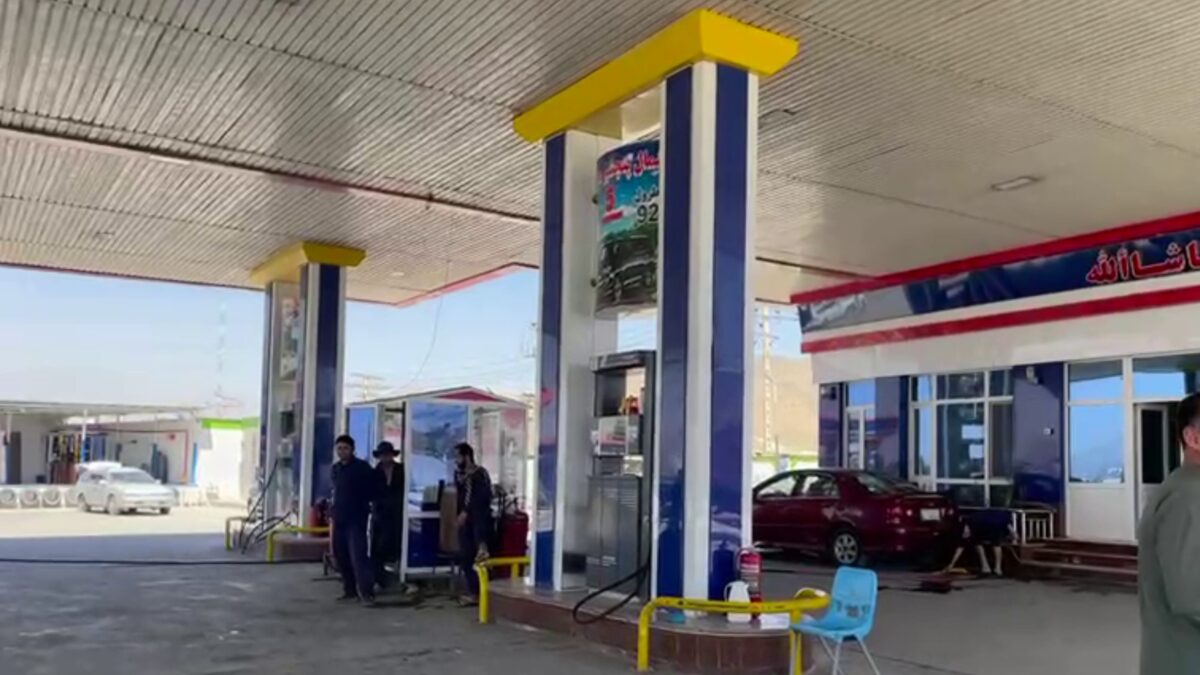
Some fuel station operators in Kabul attributed the increases to a combination of regional tensions, higher transportation costs and changes in global energy markets.
“Regional insecurity and wars have also affected Afghanistan and our lives,” said Mohammaduddin, a fuel station operator. “That is why prices have risen.”
The precise extent of the increase nationwide is unclear, and no comprehensive official data were provided on changes in fuel prices or import volumes.
The price increases have also varied across Afghanistan. In Herat, drivers recently reported a sharper rise, with premium petrol selling for 80 to 83 afghanis a liter after prices increased substantially over a 10-day period.
Drivers and residents say continued increases would further strain household budgets and reduce the already narrow earnings of workers in transportation and other fuel-dependent sectors. They have called on Taliban to monitor the market and explain the reasons for the increases.
For many drivers, however, the immediate problem is straightforward: fares remain largely fixed, while the cost of staying on the road continues to rise.