Residents of Bala Murghab district in western Afghanistan’s Badghis province say a severe shortage of drinking water has become one of the area’s most pressing challenges, particularly during the winter months.
Local residents said water supply systems built by humanitarian organisations are often unreliable in cold weather, leaving hundreds of families struggling to access safe drinking water.
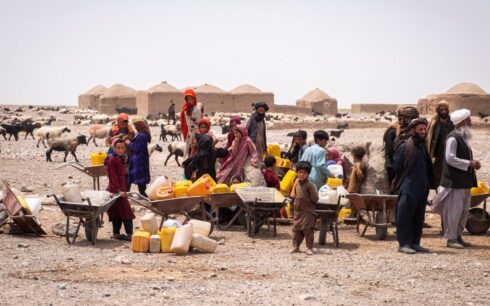
Women and children queue for hours at a single water tap that serves more than 500 families, residents said, adding that no government body or aid agency has addressed their concerns.
“We have no water at all and are facing serious shortages, but no one listens to us,” said Amirullah, a resident of Badghis. “We are human beings and we deserve to be heard.”
Residents said the distance between their homes and the water source forces them to collect water using basic tools, while the supply, which relies on solar energy, becomes even more limited on cloudy days.
“There are many problems in getting water,” said Abdul Haq, another resident. “Sometimes people fight over water. At best we get one or two containers, and sometimes we get nothing at all.”
Mohammad Osman, a resident of the district, said the number of water taps had been reduced. “In the past there were several taps, but now only one remains,” he said.
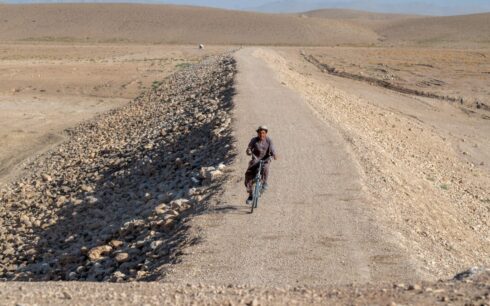
The lack of drinking and irrigation water in Badghis, particularly in Bala Murghab, has forced thousands of families to leave their homes and move to other parts of the country, residents said.
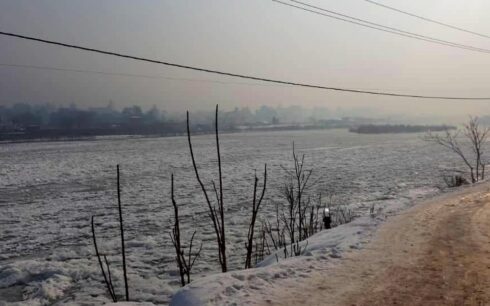
The shortages persist despite millions of cubic metres of water from the Murghab River flowing into neighbouring countries each year, highlighting long-standing challenges in water management and infrastructure in the region.