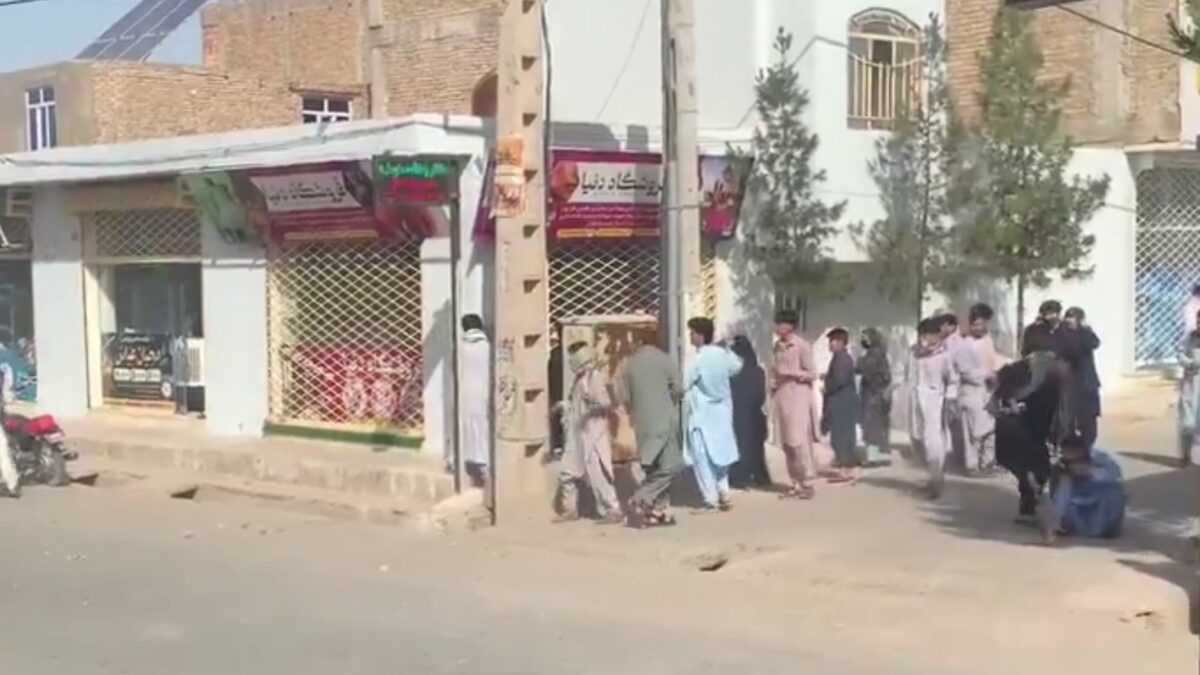
UN Women has expressed grave concern over the detention of at least 30 women in the western city of Herat, warning that the arrests have intensified fear among women and girls already facing sweeping restrictions under Taliban rule.
In a statement on Thursday, the UN agency said the women were detained last weekend for allegedly violating Taliban-imposed dress requirements, which reportedly include wearing a burqa or chador with a face covering and avoiding the use of perfume.
The arrests come as Taliban continue to tighten restrictions on women’s rights nearly five years after returning to power in August 2021.
“While many women have since been released, the arrests have heightened fear and apprehension among women and girls across Afghanistan,” UN Women said.
The agency warned that arbitrary arrests can have lasting consequences for women and their families in a society where detention often carries significant social stigma.
“A woman’s detention in Afghanistan carries enormous stigma, which can put women at risk of further violence and isolation in their families and communities even after they are released,” Georgette Gagnon, the acting head of the UN Assistance Mission in Afghanistan (UNAMA), said in remarks cited by the agency.
The arrests triggered protests in Herat on June 9, drawing residents into the streets to denounce the detentions and the Taliban’s expanding restrictions on women.
UN human rights experts said Thursday they were deeply concerned by reports that Taliban security forces used excessive force to disperse demonstrators.
According to the experts, security forces opened fire on protesters — including men, women and children — and beat some participants. At least two people, including a boy, were reported killed and more than 20 others injured.
UNAMA has confirmed the death of an 11-year-old boy and said it is investigating reports of a second fatality.
The experts noted reports that some protesters threw stones but said such actions would not justify the use of lethal force under international law.
“As the de facto authority in Afghanistan, the Taliban must comply with the international human rights treaties to which Afghanistan is a party,” the experts said.
They also emphasized that freedom of expression, peaceful assembly, movement and protection from arbitrary detention are fundamental rights that must be respected.
The experts called on Taliban to de-escalate tensions, release detainees, refrain from mistreatment and stop house searches linked to the protests.
The Herat arrests have become a focal point of growing international concern over the Taliban’s treatment of women and girls.
Since returning to power, the Taliban have barred girls from secondary and higher education, restricted women’s employment, limited their movement and imposed increasingly strict rules governing public behavior and dress.
Human rights organizations and UN officials have repeatedly warned that these policies amount to systematic discrimination and have contributed to Afghanistan’s deepening human rights crisis.