Afghanistan is among the world’s most climate-vulnerable countries, facing rising temperatures, worsening droughts and increasingly destructive floods despite contributing little to global greenhouse gas emissions, the UN Development Program said in a report released Wednesday.
According to the report, average temperatures in Afghanistan have increased by approximately 1.8 degrees Celsius since 1950, contributing to more frequent and severe floods, droughts, avalanches and snowstorms that now affect more than 200,000 people annually.
The agency said climate shocks are increasingly threatening livelihoods in a country already struggling with poverty, food insecurity and the effects of decades of conflict and underinvestment.
“Countries like Afghanistan have contributed the least to global warming yet bear its heaviest costs,” the report said.
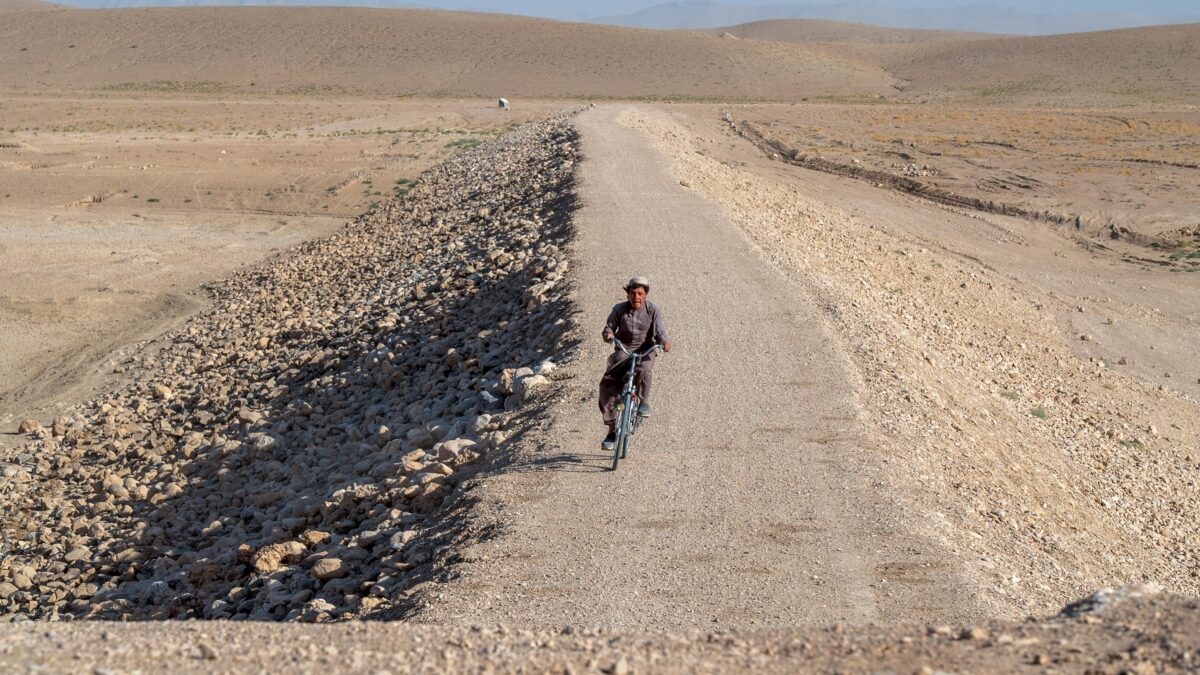
UNDP pointed to heavy rains and flash floods between February and July 2025 that killed and injured dozens of people, displaced thousands and destroyed homes, farmland and infrastructure across the country. Flooding has become a major driver of poverty because damaged irrigation systems and farmland can wipe out harvests and leave families burdened with debt.
In Kapisa province, where communities have long faced recurring flood damage, UNDP said it constructed irrigation canals, flood-protection walls and water-control structures that now provide irrigation access to 25 villages in Nejrab district. The project benefits about 80,000 people, including 28,800 women and 24,000 children.
The report also highlighted mounting pressure on Afghanistan’s water resources. In Guldara district near Kabul, drought had reduced river flows by as much as 40 percent before rehabilitation projects restored irrigation networks serving thousands of households. The improvements increased agricultural yields by 25 to 40 percent and doubled fruit production in some areas, according to UNDP.
In Baghlan province, a rehabilitated canal now supplies water year-round to five villages and benefits 1,330 households, helping farmers cultivate crops including wheat, corn, rice, beans, melons, potatoes and tomatoes.
The agency said adapting agriculture to a changing climate is becoming increasingly important as farmers face unreliable rainfall and water shortages. In Kandahar, one grape farmer reduced harvest losses from nearly 9 percent to 3 percent after adopting improved farming methods and equipment provided through a UNDP-supported project.
The report also underscored Afghanistan’s severe energy challenges. Annual electricity consumption stands at about 700 kilowatt-hours per person, roughly 30 times below the global average, while only about 35 percent of households are connected to the national power grid.
Since 2021, UNDP says it has installed solar power systems at more than 6,000 facilities across Afghanistan, including over 5,420 health centers, more than 800 schools and 850 businesses. The projects have reduced carbon emissions by more than 33,000 metric tons annually and cut diesel consumption by more than 12 million liters per year.
According to the report, more than two million Afghan women now have access to cleaner and more reliable energy through these initiatives, while solar-powered health facilities have improved services for nearly 601,000 people.
UNDP said solar systems installed in 106 health facilities and 241 schools provide reliable electricity to more than 1.87 million people, 61 percent of them women. The systems generate nearly 5,000 kilowatts of electricity and save an estimated 2.58 million liters of diesel annually.
The agency said Afghanistan’s experience demonstrates how climate adaptation, renewable energy and community-based resilience projects can help vulnerable communities cope with increasingly severe climate shocks. But it warned that the country’s exposure to climate risks is likely to grow as temperatures continue to rise and extreme weather events become more frequent.