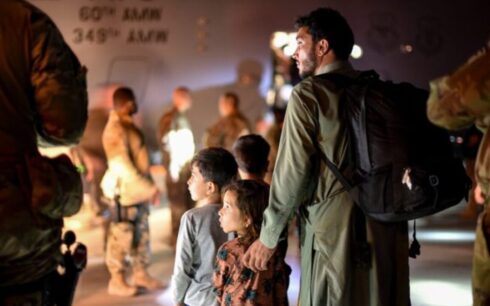
A senior official from the International Federation of Red Cross and Red Crescent Societies has warned that Afghan children returning from Iran are facing serious health risks at the border, amid searing heat, poor sanitary conditions and lack of basic medical services.
Nicole van Batenburg, a representative of the federation, told The Associated Press that Red Cross workers are reuniting hundreds of children with their families each day after many were separated during the chaotic crossings into western Afghanistan.
“Afghanistan is a forgotten crisis,” van Batenburg said. “There are so many emergencies around the world that global attention has shifted elsewhere, but the people here have been pushed to the margins.”
According to van Batenburg, many returning families have lost their identification documents and belongings in the process. Some arrived at the border with only a few bags, which now serve as their only possessions.
She noted that many children are suffering from fevers, skin infections and other communicable illnesses brought on by the harsh conditions at the border crossings.
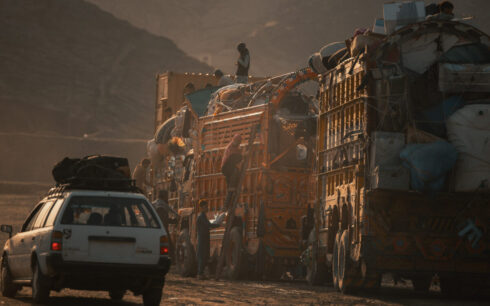
The warning comes amid a sharp rise in forced returns from Iran and Pakistan. According to the United Nations, more than 1.4 million people have returned to Afghanistan so far this year — the vast majority from Iran. Over a million Afghans have either been expelled or compelled to return, with deportation campaigns ramping up since 2023.
Both Tehran and Islamabad have denied targeting Afghan nationals specifically, but rights groups say undocumented Afghan families — many of them long-term residents — are bearing the brunt of the expulsions.
On a recent visit to the Islam Qala border crossing in Herat Province, Roza Otunbayeva, head of the U.N. Assistance Mission in Afghanistan, described the scale of the returnees as “alarming” and called for urgent international action.
“This sudden and forced displacement could have devastating consequences — including destabilizing both returning and host communities, triggering secondary displacement, and generating broader regional risks,” Otunbayeva said.
The UN migration agency reported that more than 28,000 people crossed the border in a single day — a figure aid organizations say reflects the intensity of the crisis.
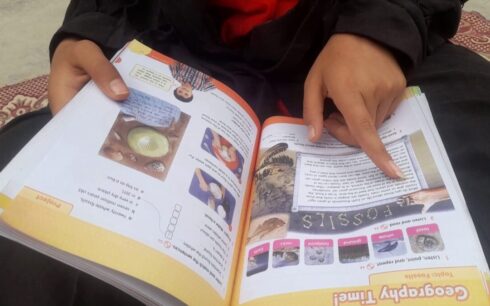
The situation is exacerbated by a steep decline in international aid. With funding cuts affecting health, education and protection programs, humanitarian agencies have warned that Afghanistan — already heavily reliant on aid — may be on the brink of another humanitarian disaster.