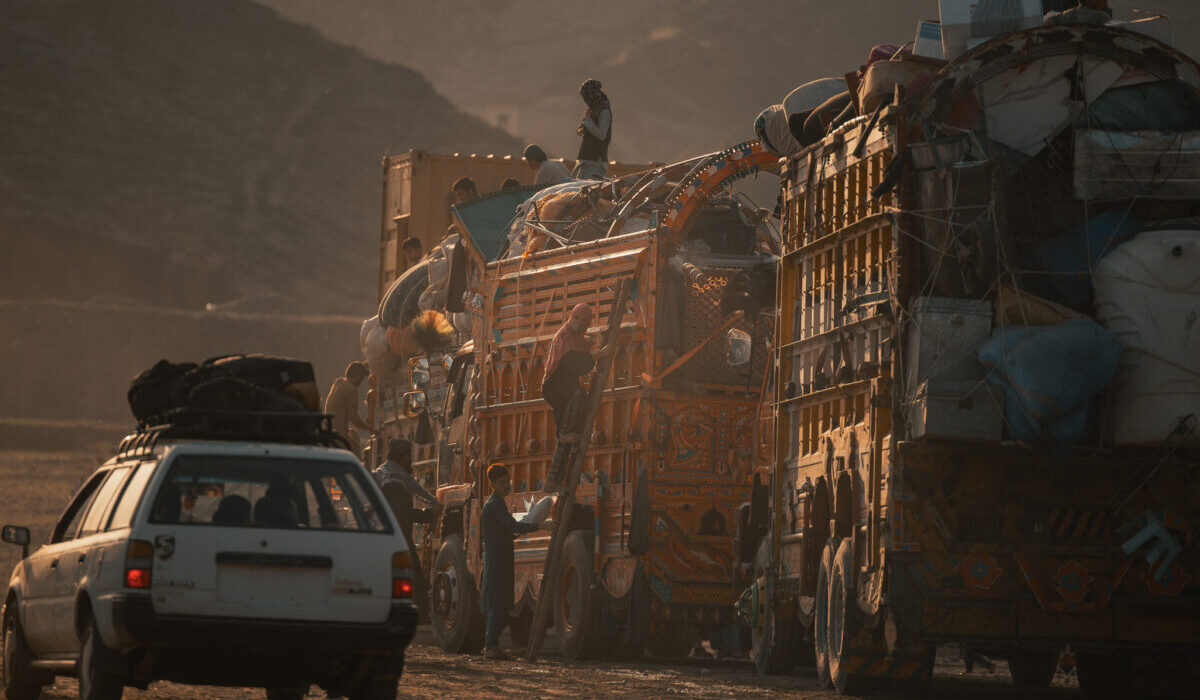
Afghanistan ranked fifth among the world’s most neglected displacement crises in 2025, according to a new report by the Norwegian Refugee Council, which warned that declining international attention and funding are deepening hardship for millions of Afghans.
The report, which evaluates crises based on media attention, humanitarian funding, political engagement and the scale of displacement, placed Afghanistan behind Sudan, the Democratic Republic of the Congo, Colombia and Yemen.
Nearly five years after the Taliban returned to power, Afghanistan’s humanitarian situation continues to deteriorate, the report said, with communities facing a combination of poverty, natural disasters, forced returns and restrictions on women and girls.
“Day by day, the humanitarian situation deteriorates, and year by year, donors disengage,” Jacopo Caridi, the Norwegian Refugee Council’s country director for Afghanistan, said in the report. “Afghanistan has become politically isolated, with humanitarian aid left to carry the burden of an entire country’s basic services.”
According to the report, about half of Afghanistan’s population requires humanitarian assistance. Aid cuts announced in 2025 have already had severe consequences, with nearly four million children at risk of malnutrition and more than 400 health facilities forced to close, cutting off access to medical services for millions of people.
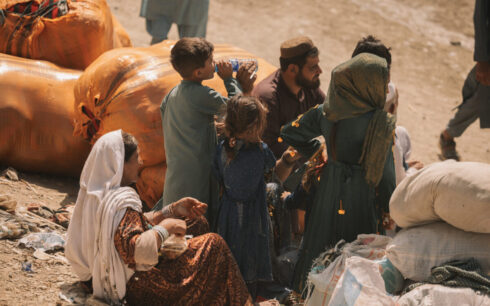
The organization also highlighted the return of millions of Afghans from neighboring countries. In 2025 alone, an estimated 2.9 million Afghans returned from Iran and Pakistan, many under what the report described as coercive conditions.
“Having fled in search of safety, they are now arriving back with nothing,” the report said, calling the returns “a significant protection failure.”
Natural disasters compounded the crisis during the year. The report cited a magnitude-6.0 earthquake in Kunar Province that killed more than 2,150 people and destroyed thousands of homes. Less than three months later, another earthquake of similar strength struck Balkh Province.
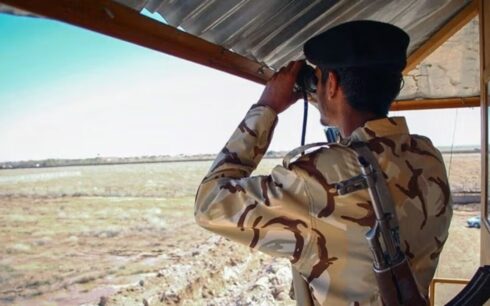
The report also pointed to escalating tensions between Afghanistan and Pakistan. It said cross-border clashes in late 2025 evolved into the most serious violence between the two countries since the Taliban’s return to power, displacing tens of thousands of families.
Restrictions imposed by the Taliban on women and girls were identified as another major factor worsening conditions. According to NRC, nearly 100 decrees have been issued since 2021 limiting women’s access to education, employment and public life. The organization warned that such measures have weakened access to health care and humanitarian assistance, particularly for women.
The findings come amid a broader decline in global humanitarian funding. NRC said humanitarian appeals worldwide received only about one-third of requested funding in 2025, the lowest level in more than a decade. The organization attributed much of the decline to cuts by major donors, including the United States and several European countries.
The report concludes that Afghanistan’s crisis requires sustained international engagement, continued support for countries hosting Afghan refugees and longer-term efforts to address the root causes of displacement and humanitarian need.