Taliban said on Tuesday they would fully meet the country’s pharmaceutical needs through Uzbekistan after halting imports of medicines from Pakistan, which was one of Afghanistan’s main suppliers.
Nooruddin Azizi, the Taliban’s minister of commerce, said at a business conference with Uzbek officials in Kabul that Afghanistan’s demand for medicine would be “100 percent” fulfilled through trade with Uzbekistan.
He said expanding commercial ties and new trade facilities offered by Tashkent would help address shortages not only of medicines but also of other goods.
“We are confident that the necessities we have in the field of medicine and food will be fully provided by Uzbekistan,” Azizi said at the gathering, which brought together traders from Afghanistan and Uzbekistan.
The announcement comes after months of stalled trade between Afghanistan and Pakistan, driven by political and military tensions between Islamabad and the Taliban. The prolonged closure of key border crossings has disrupted commerce and contributed to rising prices, particularly for pharmaceutical products.
Pakistan has traditionally served as a major transit and supply hub for medicines entering Afghanistan. With those imports now suspended, the Taliban have sought alternative routes and suppliers.
But some residents in Kabul say the shift has already led to higher costs.
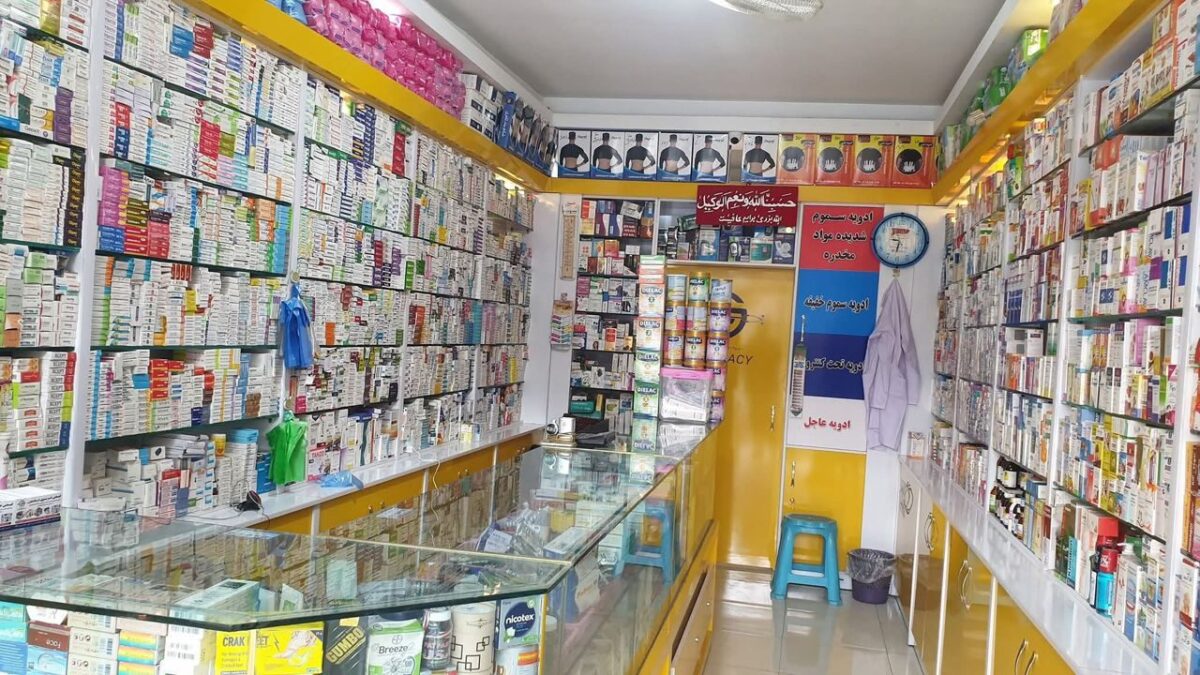
Several said that the price of certain medicines had increased sharply in recent weeks, making them unaffordable for some families. Others said relevant institutions have failed to ensure steady access to essential drugs and called for urgent solutions through alternative trade partners.
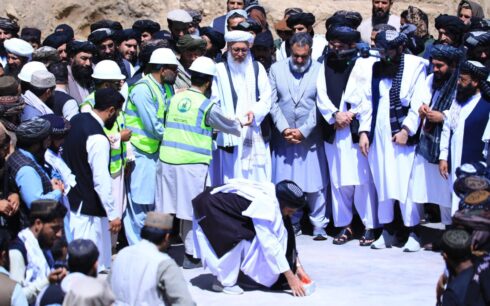
At the same event, investors from both countries signed 25 agreements worth $300 million.
According to Azizi, representatives of Uzbek pharmaceutical companies were among those in attendance.
It remains unclear how quickly the new arrangements will translate into stable supplies and lower prices in local markets.