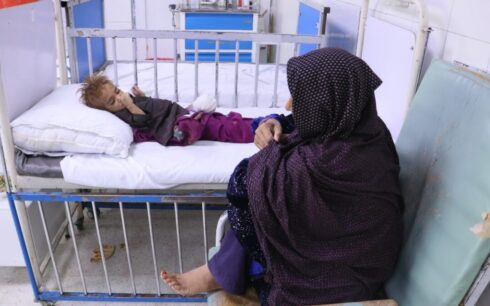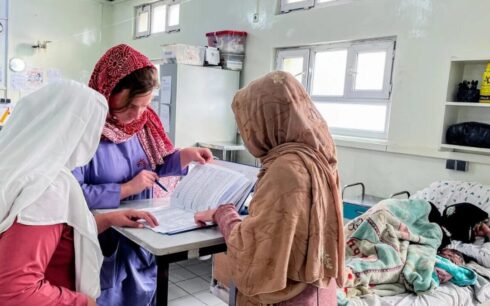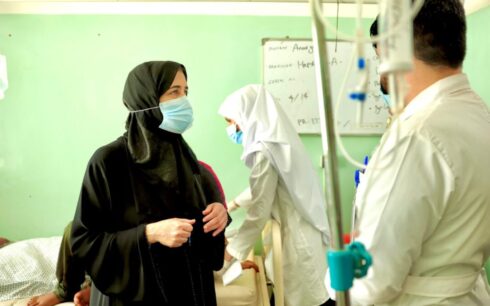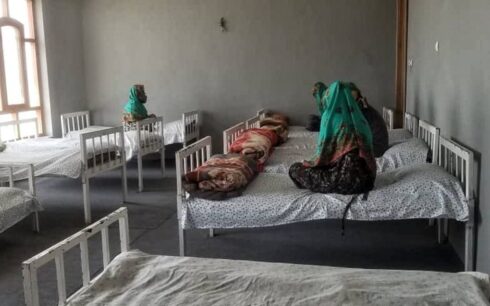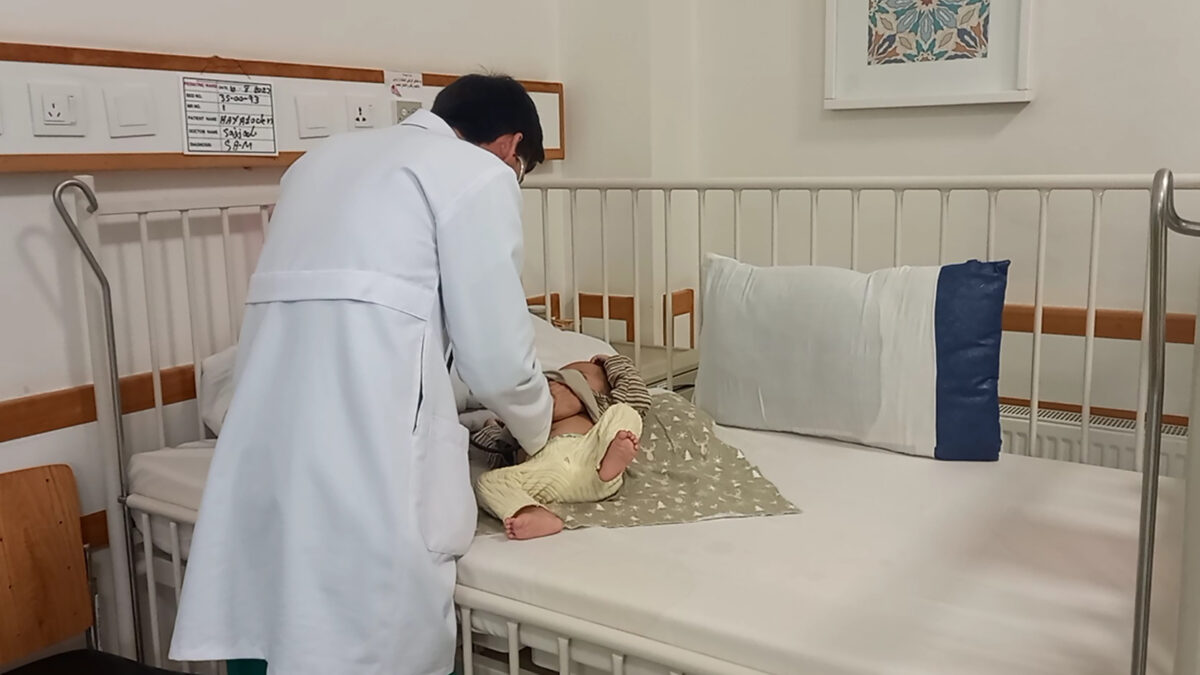
More than one-third of Afghanistan’s children face severe hunger this winter, with over 9 million expected to experience crisis or emergency levels of food insecurity by March 2026, Save the Children said, warning that funding cuts are threatening life-saving nutrition programmes.
Based on a new analysis of Integrated Food Security Phase Classification (IPC) data, the aid group said about 36% of Afghan children will face acute hunger, an 18% increase compared with last year, as humanitarian funding declines.
Nearly 3.7 million children under five are currently suffering from acute malnutrition, up from 3.5 million a year ago, the organisation said. It added that around 1.2 million pregnant and breastfeeding women are also expected to require treatment for malnutrition.
Save the Children said its health and nutrition clinics across Afghanistan recorded a 13% rise in admissions of malnourished children under five and pregnant and breastfeeding women between January and October 2025.
The warning comes as funding shortfalls risk cutting essential supplementary food for up to 38,000 children and mothers unless new resources are secured, the organisation said.
The latest IPC report also warned that only about one million people nationwide are expected to receive food assistance due to funding constraints — nearly six times fewer than during the same period in 2024 — even as needs continue to rise.
Aid experts say malnutrition typically peaks during winter, when cold weather weakens immune systems, respiratory infections such as pneumonia increase, job opportunities shrink and food and fuel prices rise.
Afghanistan is also facing additional pressures. Since the start of 2025, around 2.4 million Afghans have returned from Iran and Pakistan, while nearly 500,000 people affected by powerful earthquakes in eastern Afghanistan remain in urgent need of assistance. Prolonged drought has further destroyed crops and livestock, worsening hunger and malnutrition.
Khalid, a 60-year-old day labourer in southern Afghanistan, said he earns about $3 a day when he finds work. His youngest child, eight-month-old Zia, was recently treated for malnutrition at a Save the Children clinic.
“Drought has destroyed our lives,” Khalid said. “Without water, everything is dying, and we practically have no money.” He said soaring prices for flour and cooking oil have forced his family to survive mostly on bread and tea.
According to United Nations figures, more than half of Afghanistan’s population — nearly 23 million people — requires humanitarian assistance. Funding cuts have led to the closure or suspension of around 420 health clinics and nearly 300 nutrition centres across the country.
“The rising number of children facing severe hunger and malnutrition this winter is a major alarm bell,” said Samira Sayed Rahman, Save the Children’s director for advocacy and programme development in Afghanistan. “Malnutrition is entirely preventable, and no child should fall sick or die because there is not enough food.”
She warned that as winter approaches, families will face increasingly painful choices, including withdrawing children from school or sending them to work to secure a single meal, and called for the immediate restoration of funding for health and nutrition programmes.
Save the Children said it plans to distribute winter kits — including clothing, blankets, heaters and insulation materials — to nearly 75,000 people this winter, while more than 21,000 children will benefit from the installation of heaters in schools and child-care centres.