Pakistan’s defense minister has downplayed the economic impact of Taliban’s recent call to limit Afghanistan’s trade through Pakistani territory, saying that any shift in transit routes would pose no serious financial loss to Islamabad.
In a televised interview on Wednesday, Khawaja Asif responded to remarks by Abdul Ghani Baradar, the Taliban’s deputy chief minister for economic affairs, who on the same day called on Afghan traders to reduce reliance on Pakistani ports and shift pharmaceutical imports to other countries.
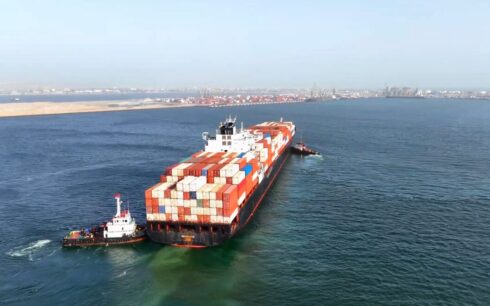
“All the goods loaded at the Karachi port for Afghanistan are, in reality, entering Pakistan,” Asif said. “If Afghans wish to import their goods through Iran, Turkey, Turkmenistan or India — Bismillah, let them do it. By the grace of God, it will not harm us economically.”
He added that if Afghanistan finds more cost-effective routes elsewhere, “that is a kind of relief for us.” The minister characterized the Taliban’s trade shift as an internal matter for Afghanistan.
The comments follow growing economic and political tensions between the Taliban and Pakistani authorities, with both sides locked in a standoff that has kept major border crossings closed for over a month. Despite two rounds of talks held in Istanbul aimed at easing the dispute, negotiations have so far failed to produce an agreement.
Taliban seek trade guarantees
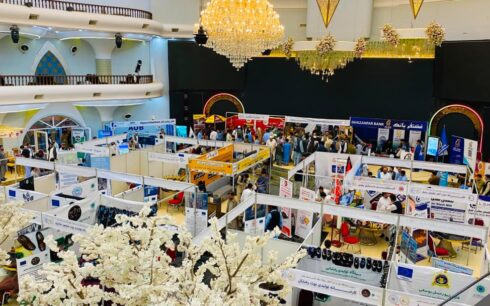
At a high-level economic meeting in Kabul on Wednesday, Baradar said that Afghanistan would seek to reroute trade through alternative partners, accusing Pakistan of repeatedly using border closures as a political tool. He gave Afghan pharmaceutical importers a three-month deadline to end contracts with Pakistani suppliers and said new trade routes through Central Asia and Iran were under development.
Taliban officials also demanded that Pakistan offer written guarantees that border crossings would remain open under all circumstances, including during political tensions or security incidents.
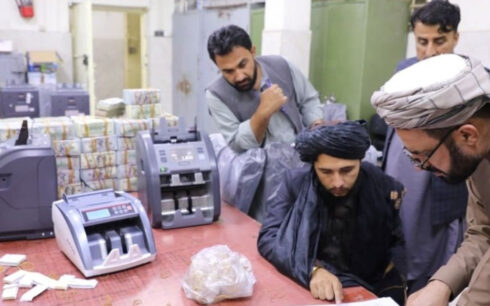
The Taliban’s commerce minister, Nooruddin Azizi, said at the same event that the border shutdowns are costing Afghanistan an estimated $200 million per month in lost trade revenue, and described the Pakistan trade corridor as unreliable and “high-risk” for Afghan merchants.
A fragile trade relationship
Trade between Afghanistan and Pakistan has historically been extensive — and often volatile. Pakistan has served as Afghanistan’s largest trading partner for decades, providing a key transit route for goods entering the landlocked country through the port of Karachi. In recent years, bilateral trade has exceeded $1.5 billion annually, with much of it dependent on the now-closed crossings at Torkham and Chaman.
The relationship has frayed in recent months amid escalating tensions over cross-border militant activity. Islamabad has accused the Taliban of harboring fighters from Tehrik-i-Taliban Pakistan (TTP), a banned militant group that claimed responsibility for a suicide bombing in Islamabad earlier this month. The Taliban deny the accusation and have rejected Pakistani demands for action against the group.
Analysts say the increasingly public economic rhetoric from both sides reflects not only commercial strain but a broader breakdown in trust between the neighbors.
With winter approaching and no resolution in sight, observers warn that prolonged border closures could further strain humanitarian supply chains and deepen the economic downturn in both countries’ border provinces.