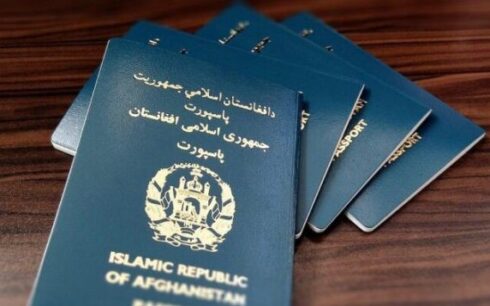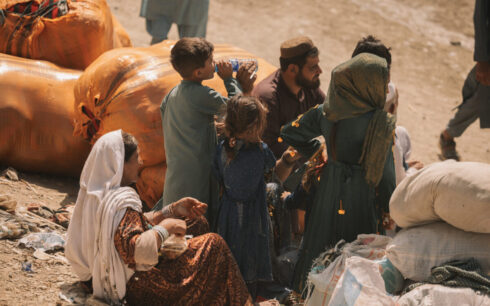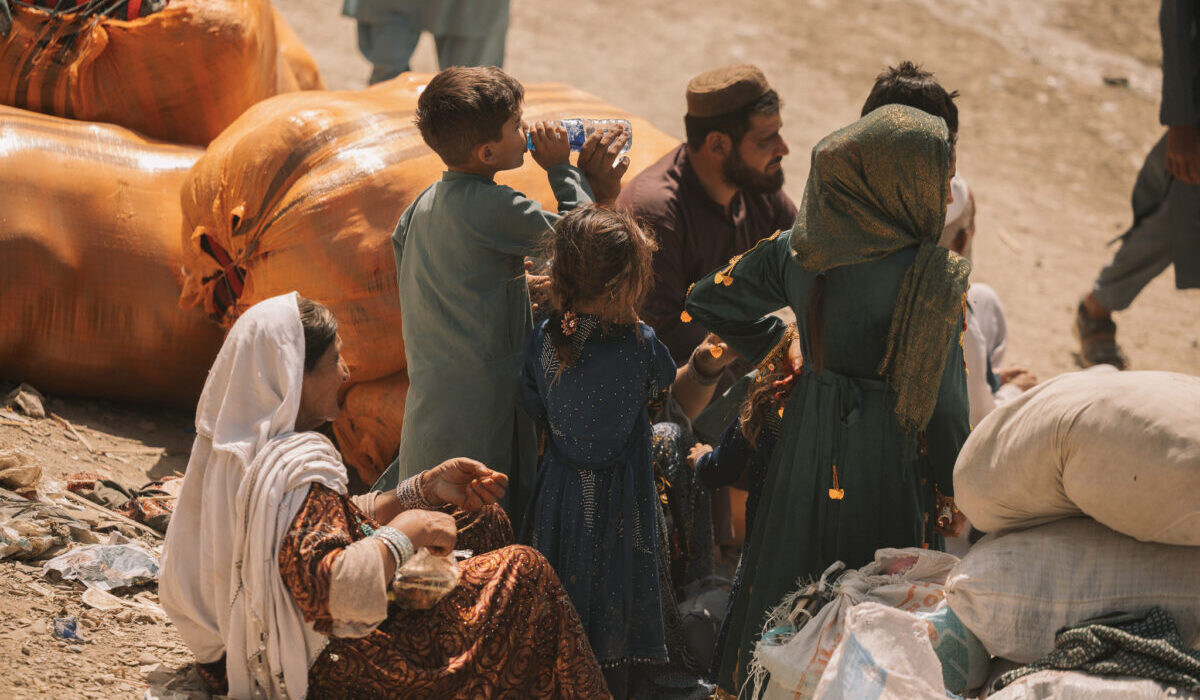
United Nations experts on Friday urged Pakistan to immediately halt its planned deportations of Afghans, warning that sending them back could expose them to life-threatening conditions in a country already overwhelmed by humanitarian and security crises.
Starting September 1, Pakistan is set to begin deporting Afghans under its “Illegal Foreigners Repatriation Plan,” including for the first time those holding Proof of Registration (PoR) cards. Many of these individuals have lived in Pakistan for decades, with some born there and never having set foot in Afghanistan.
“Millions of Afghans in Pakistan are at risk of being sent to a country unable to cope with an existing humanitarian crisis,” the UN experts said in a statement, citing widespread displacement, economic instability, and ongoing restrictions on women’s and girls’ rights under Taliban rule.
They noted that many Afghan children and youth — especially girls — will see their education interrupted, with school banned above grade six in Afghanistan. Others at risk include recent refugees fleeing Taliban reprisals, former Afghan government officials, ex-security forces, and LGBTQ+ individuals, who all face documented threats of persecution.
Pakistan has not commented directly on the UN statement, but officials have previously defended the deportation plan as part of internal security policy.
The UN experts emphasized that Pakistan has a binding obligation under international human rights and refugee law not to return anyone to a place where they face serious threats to life or freedom — a principle known as non-refoulement.
“Many of those facing deportation have no home to return to in Afghanistan,” the experts said, expressing particular concern for women-headed households and those without male guardians.
The UN also noted a sharp increase in recent weeks in reports of arbitrary arrests, detentions, and deportations of Afghans in Pakistan.
While acknowledging Pakistan’s decades-long role in hosting Afghan refugees, the experts called on the international community to increase support to both the Pakistani government and local host communities. They criticized several countries for scaling back third-country resettlement programs, saying it undermines global responsibility-sharing.
“Afghan refugees and others in exile need sustainable, humane, and rights-respecting support and protection,” they said.