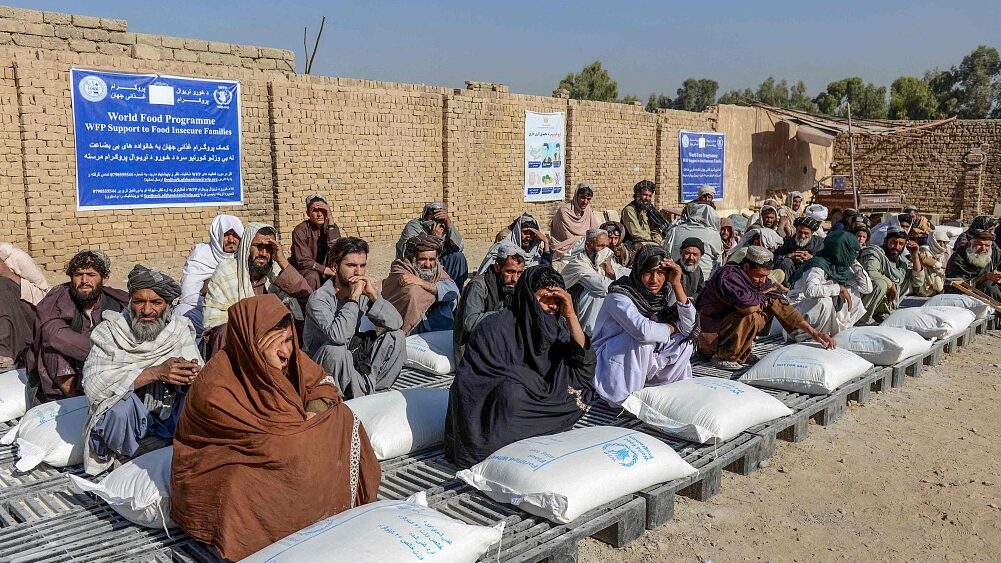
The United Nations World Food Program says that despite Afghanistan being in its most favorable season of the year, 9.5 million people — about 20% of the country’s population — remain in acute food insecurity.
In its July report, the agency said it has been able to assist only 1 million people per month during this period.
The WFP warned that without additional funding, general food assistance operations are expected to face a sharp reduction in October, leaving millions without a way to feed their families.
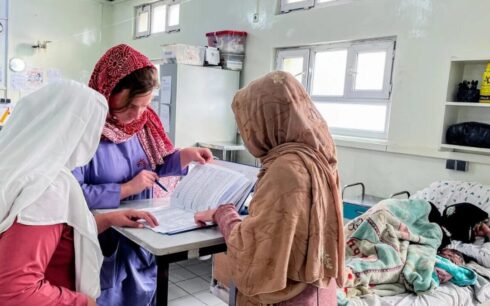
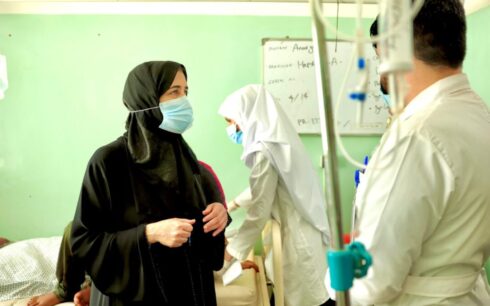
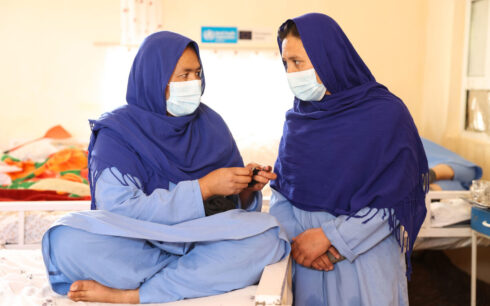
It said current funding is not sufficient to provide specialized nutritious foods to meet growing needs. Many nutrition centers reported that their monthly WFP allocations run out within seven to 10 days, forcing them to turn away malnourished women and children. In such conditions, it said, curbing rising acute malnutrition is not possible.
The report noted that “three lifelines that have helped prevent the crisis from worsening in recent years are under severe pressure: 1) remittances, 2) improved agriculture, and 3) humanitarian aid. Deportations have cut off remittances, drought is now affecting 19 of 34 provinces, and food assistance is far below the minimum level and likely to run out before winter.”
In July, the WFP distributed food and cash assistance to 1.7 million people and transferred $1.4 million in cash to nearly 637,000 people.
It added that women with children make up 80% of all aid recipients across the country.