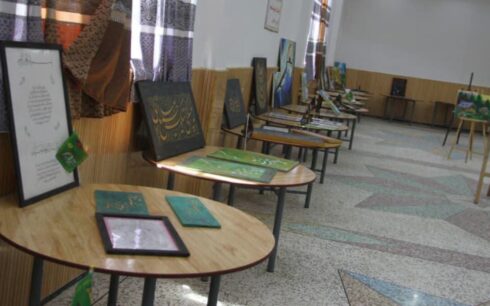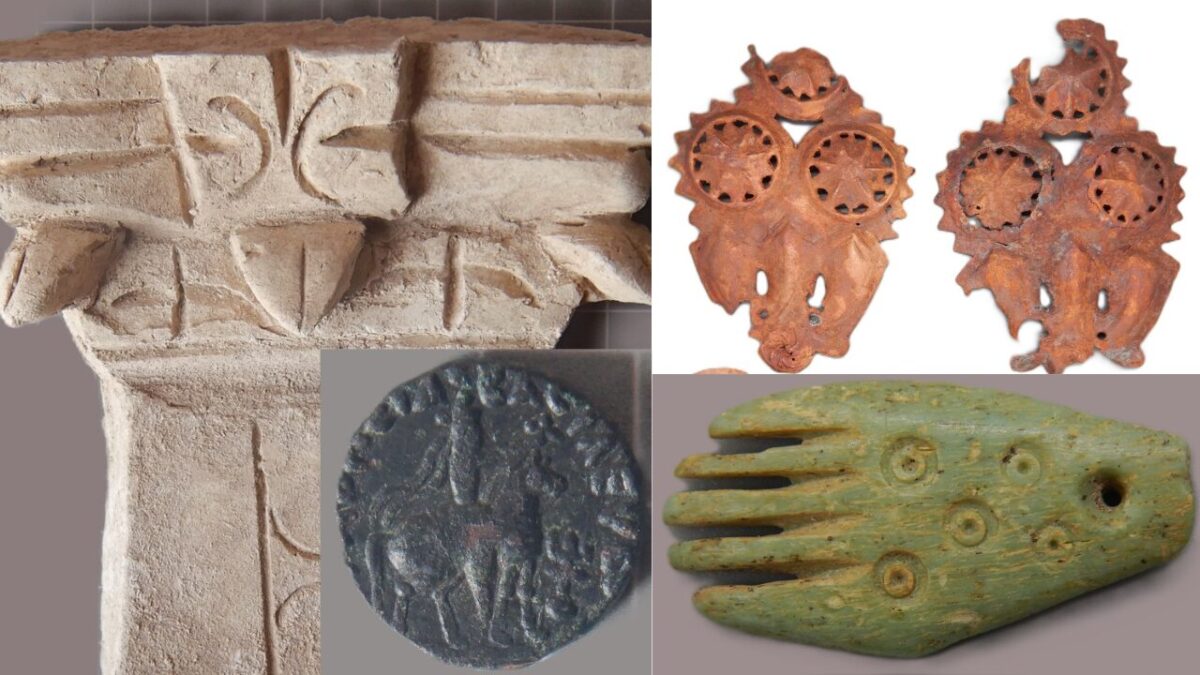
The Taliban-run Ministry of Information and Culture said Monday that 1,430 ancient artifacts discovered at the Mes Aynak copper mine in Logar province have been moved to Kabul, some of them dating back more than 5,000 years.
The ministry said the collection of 1,430 items includes pottery, stone, metal, glass, bone and wooden objects. Many are believed to be linked to the Kushan and Sassanian dynasties, powerful empires that once ruled the region.
Zabiullah Sadat, head of the ministry’s archaeology department, said the artifacts would be cleaned, restored, cataloged and later moved to the National Museum in Kabul.
Afghanistan, at the crossroads of Central and South Asia, has long been home to a rich cultural legacy, but decades of war, looting and neglect have devastated many sites. Archaeologists warn that without sustained protection, much of that history could still be lost.
Mes Aynak, about 25 miles southeast of Kabul, is one of Afghanistan’s most important archaeological sites, containing a vast Buddhist monastic complex as well as ancient settlements and artifacts. But the area also sits atop one of the world’s largest untapped copper deposits. A $3 billion mining contract signed in 2007 with a Chinese state-owned company has stalled for years, leaving the site in limbo between preservation efforts and commercial interests.
Afghanistan has already suffered major cultural destruction. In 2001, the Taliban demolished the Bamiyan Buddhas — towering, 1,500-year-old statues carved into a cliffside — in an act widely condemned as cultural vandalism.
Despite Taliban assurances that Mes Aynak’s artifacts will be preserved, cultural experts remain skeptical. Many treasures have already been lost to looting or natural decay, and advocates warn that without international cooperation and resources, Afghanistan risks further erosion of its cultural legacy.