Police in northern Iran have detained more than 220 Afghan migrants in the city of Sari, Mazandaran Province, as part of the government’s ongoing crackdown on undocumented foreigners, authorities said on Sunday.
According to Iranian state media, Abdollah Hassanzadeh, head of law enforcement in Sari, said the migrants were arrested for lacking legal residency documents. He referred to the group as “unauthorized foreign nationals,” a term commonly used by Iranian officials to describe undocumented Afghans.
“In response to intelligence reports regarding the presence of unauthorized foreign nationals in Sari County, a coordinated operation was launched,” Hassanzadeh said. “Police from various units, including emergency response, intelligence, and public security forces, conducted surveillance and successfully located and detained 221 individuals in a hideout, following judicial coordination.”
Hassanzadeh added that the migrants had entered the city illegally and urged Iranian citizens not to employ undocumented Afghan workers in any capacity.
“Any violations will be met with legal consequences,” he warned.
Iranian media reported that, according to the Office of the Public Prosecutor in Mazandaran, residency by undocumented migrants in the province is officially prohibited. Employers who hire such individuals are considered to be committing a crime under Iranian law.
The arrests come amid a marked intensification of Iran’s deportation policy, particularly following the recent 12-day conflict with Israel. In the wake of that conflict, the Iranian government has accelerated expulsions of Afghan nationals, with the U.N. High Commissioner for Refugees (UNHCR) recently estimating that the daily number of deportations has reached 50,000.
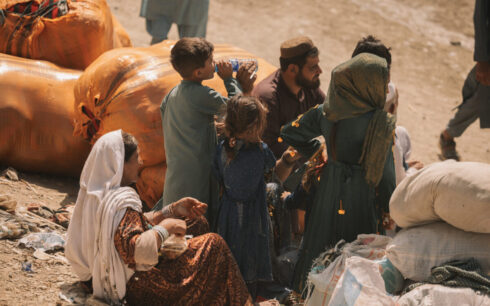
Many of those forced to return to Afghanistan have reported mistreatment at the hands of Iranian police. Accounts include allegations of verbal abuse, physical violence, and the confiscation of personal belongings.
As tensions rise, humanitarian organizations continue to raise concerns about the treatment of Afghan migrants inside Iran and the lack of resources available to those expelled back to Afghanistan, many of whom arrive with nothing.