Afghanistan: Rising fuel prices add to winter hardship in Paktika
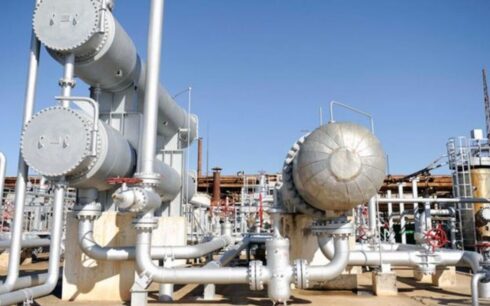
Local traders and residents said fuel shortages have coincided with rising prices, though the reasons for the decline in supply.

Local traders and residents said fuel shortages have coincided with rising prices, though the reasons for the decline in supply.
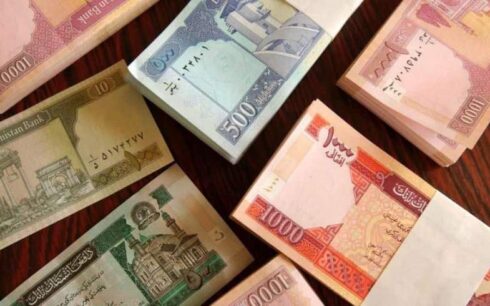
The Taliban’s finance ministry has denied any disruption, saying the payments will be processed soon.
The announcement comes as the Taliban continue to withhold details of Afghanistan’s national budget.
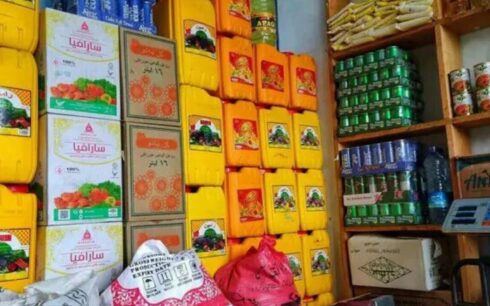
Prices of non-food items also increased, the authority said, citing a 1.9% overall rise, including a 3.1% increase in clothing.

The key mountain route was shut around midnight on Monday as weather conditions deteriorated.
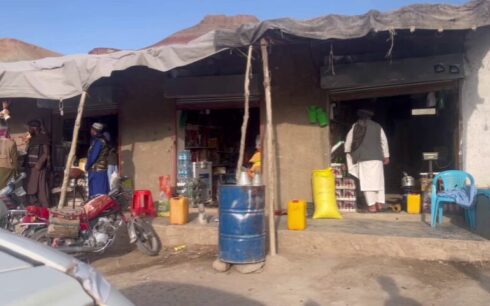
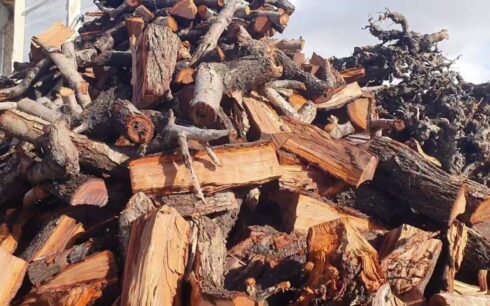
Local residents said the sharp rise in fuel costs has forced families to burn scrap materials for cooking and heating.
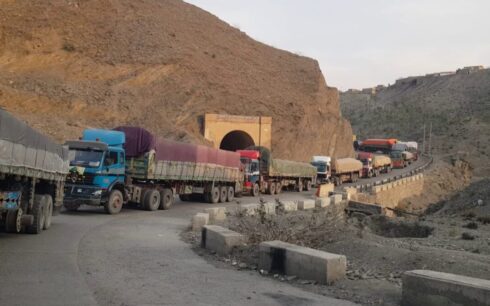
Khan Jan Alokozai said the prolonged disruption had forced Afghan traders to activate alternative trade routes.
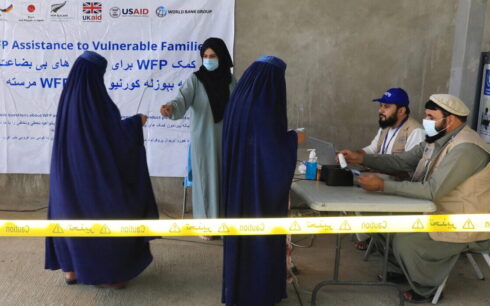
US Secretary of State Marco Rubio said the new funding mechanism was designed to improve accountability and efficiency in humanitarian.
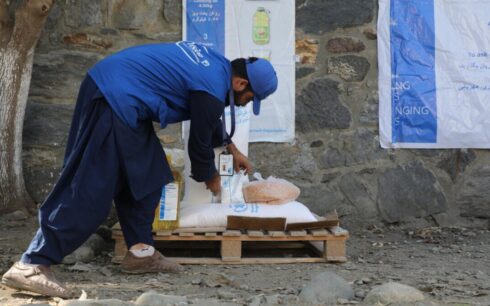
The UN said years of underinvestment in basic services have severely weakened household resilience across much of the country.

The flyover will run from Sedarat Square to the Joy-e-Shir road and will be 283 metres long and 18 metres.