Food prices in Afghanistan rose by more than 4% last month, driven by sharp increases in the cost of staples, cooking oil and vegetables, the Taliban-run national statistics office said.
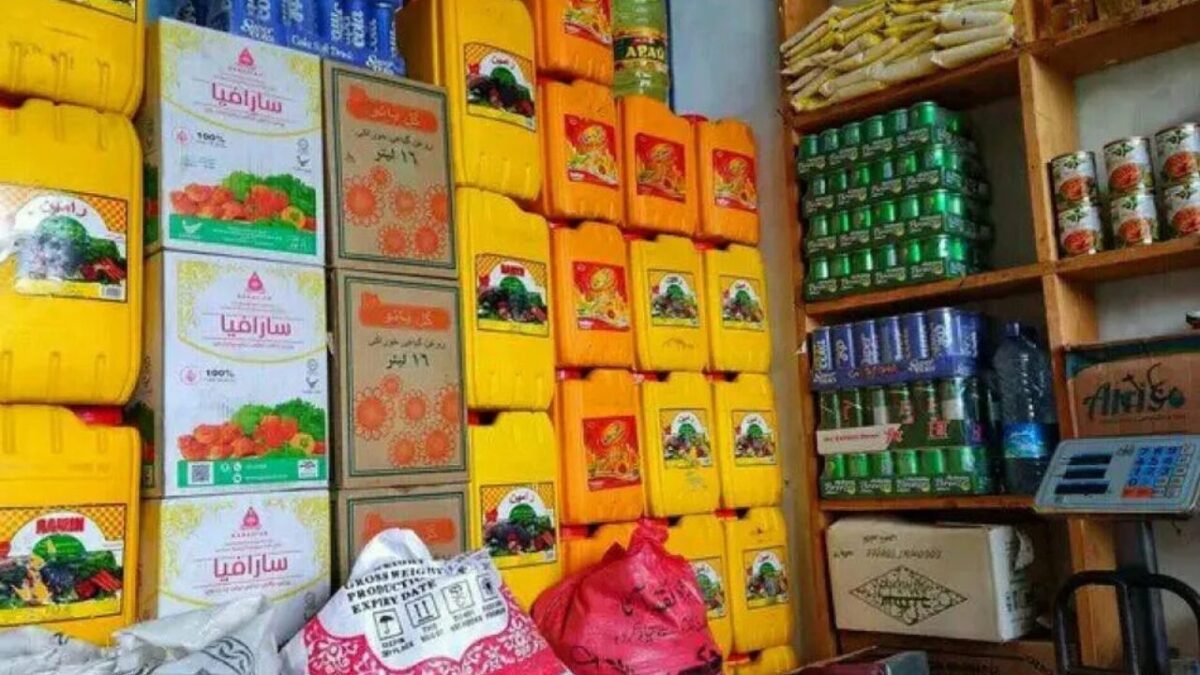
The National Statistics and Information Authority said food prices increased by 4.2% in the month of Qaws in the solar calendar (Nov. 22 to Dec. 21, 2025), with grain prices up 3.5%, cooking oil rising 13.9% and vegetable prices jumping 29%.
Prices of non-food items also increased, the authority said, citing a 1.9% overall rise, including a 3.1% increase in clothing and footwear and a 17.2% rise in healthcare and medical treatment costs.
Monthly consumer inflation rose by 2.8% during the period, largely due to higher food and non-food prices, while year-on-year inflation increased by 9.6% compared with the same month last year, the statement said.
The price increases come as Afghanistan’s main trade routes with neighbouring Pakistan have remained closed for more than three months, disrupting imports and pushing up market prices, economists say.
Afghanistan’s Chamber of Commerce and Investment has previously said that imported goods worth between $6 billion and $6.5 billion remain stranded at Pakistani ports and border crossings, including Karachi port, Torkham and Spin Boldak.
Khan Jan Alokozay, a member of the chamber’s board, told local media that more than 11,500 containers carrying Afghan imports are currently stuck in Pakistan, causing losses of about $2 million a day to traders in both countries as goods expire or deteriorate.
Afghanistan relies heavily on imports for basic food supplies, and economists warn that prolonged border closures risk further fuelling inflation in an economy already strained by widespread poverty, unemployment and international isolation since the Taliban returned to power in 2021.