

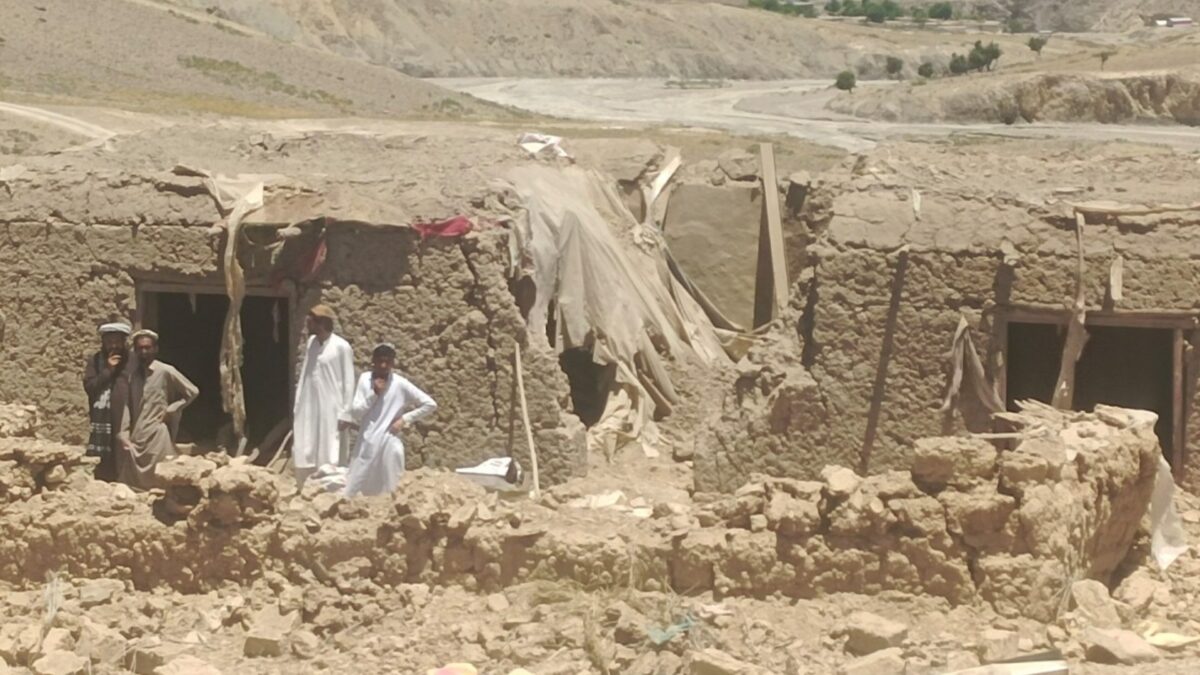
Pakistan and Taliban: Weaponizing narratives across border
In this piece, Ajmal Sohail examines how Pakistan and the Taliban weaponize competing narratives to justify military actions and shape domestic and internationa...
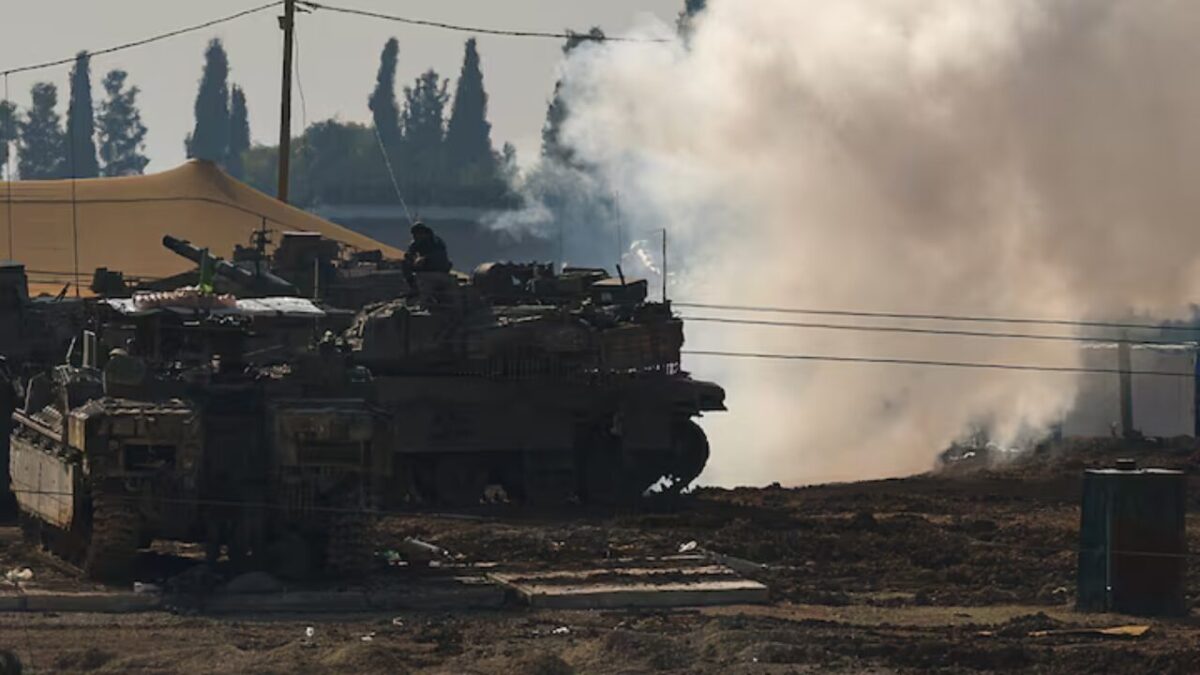
Pakistan and Israel’s doctrine of pre‑emptive disruption: A geopolitical assessment
In an op-ed, Ajmal Sohail argues that alleged links between Hamas and Pakistani networks could place Pakistan within Israel's doctrine of pre-emptive disruption...

Pakistan’s shadow diplomacy and Taliban’s quiet realignment
In this op-ed, Ajmal Sohail argues that Pakistan is quietly rebuilding its influence over the Taliban through intelligence pressure, proxy networks and countert...

Urumqi convergence: Why China’s quiet mediation matters more than the meeting itself
In this op-ed, Ajmal Sohail argues that the Urumqi talks matter less for outcomes than as a sign that rising tensions are forcing Pakistan and the Taliban into ...
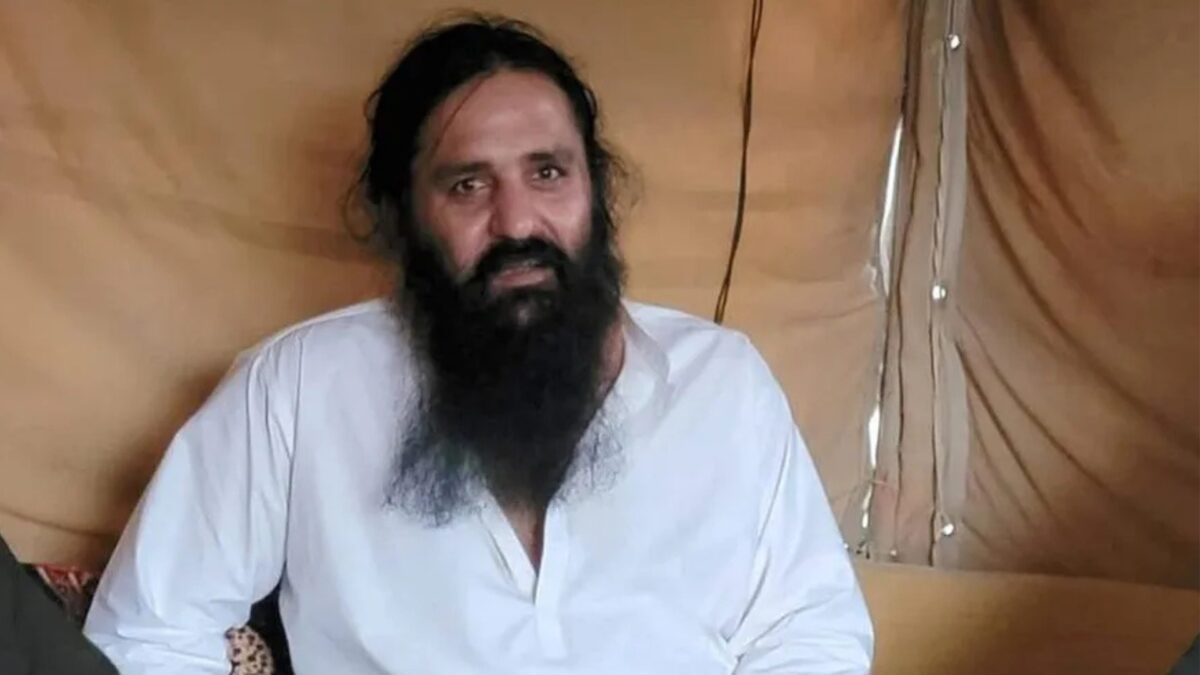
The death of Lali Mama Nurzai and the waning grip of Pakistan’s ISI
In this op-ed, Ajmal Sohail argues that the death of Lali Mama Nurzai reflects Pakistan’s waning leverage over the Taliban and a broader regional realignment....
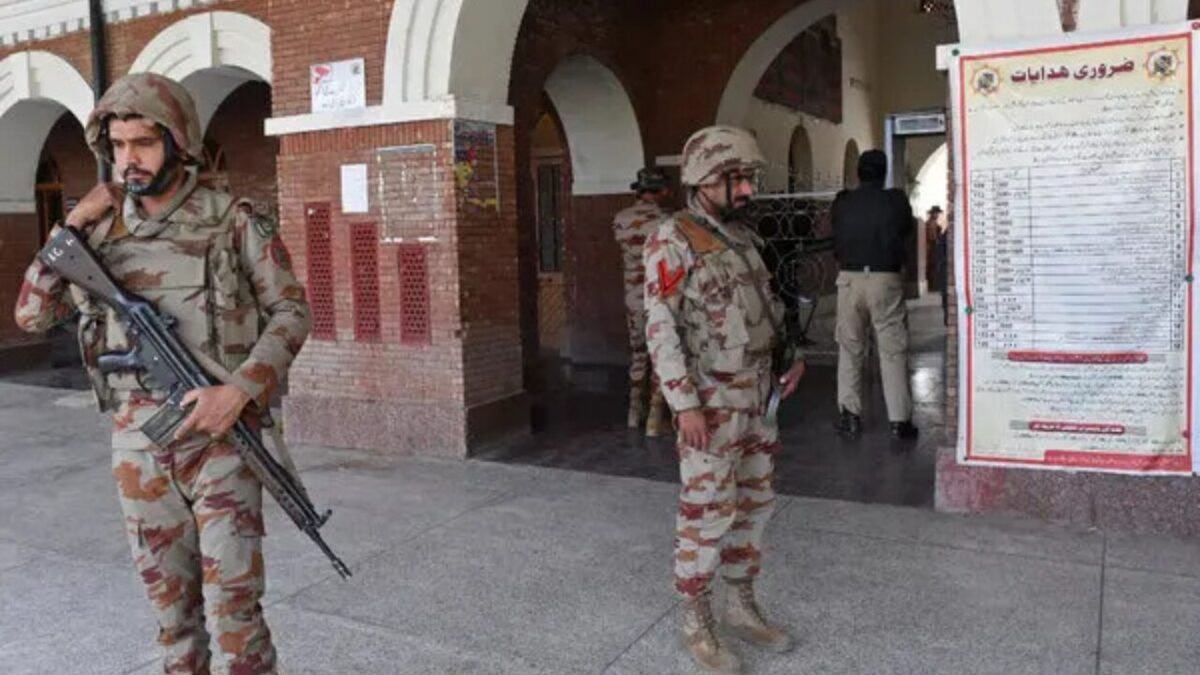
The geopolitics of Balochistan’s hybrid insurgency
In this op-ed, Ajmal Sohail writes that Balochistan’s evolving hybrid insurgency has become a cross-border geopolitical threat, arguing that Pakistan’s inte...

India’s counterterrorism posture in South Asia: Stabilizer in a fragmented security landscape
In this piece, Ajmal Sohail argues that amid South Asia’s evolving terror landscape after Afghanistan’s collapse, India has emerged as a key stabilizing for...

Pakistan’s war on truth: How state-engineered radicalism fuels violence against journalists
In this article, Ajmal Sohail argues that Pakistan’s long-standing state-driven radicalization has fueled violence against journalists and eroded tolerance, u...