Four years after the U.S. and NATO withdrawal from Afghanistan, South Asia remains a theater of unresolved insurgencies, proxy warfare, and ideological radicalization. From the Taliban’s ambiguous governance to Pakistan’s dual-track militancy doctrine, the region’s terror ecosystem has evolved into a transnational challenge. Amid this volatility, India has emerged as a stabilizing force, leveraging intelligence, diplomacy, and strategic partnerships to contain and disrupt threats that transcend borders.
A Fragmented Landscape
Afghanistan’s post-2021 trajectory has enabled the resurgence of groups like al-Qaeda, ISKP, and Tehrik-i-Taliban Pakistan (TTP). The Taliban’s posture, oscillating between host and enforce, has created operational ambiguity, allowing jihadist networks to regroup and expand. These actors pose direct threats to India’s interests, particularly in Kashmir and the broader Himalayan corridor.
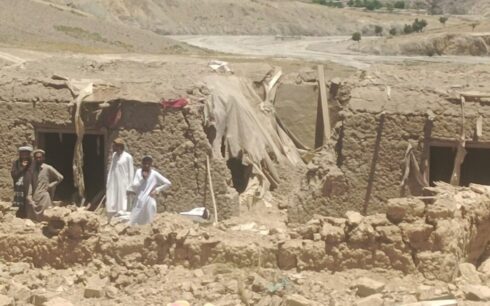
Pakistan’s internal contradictions persist. While Islamabad conducts counterterrorism operations against select groups, it continues to enable proxies such as Lashkar-e-Taiba and Jaish-e-Mohammed. The recent airstrikes targeting TTP figures in Kandahar underscore the complexity of Pakistan’s security calculus, where strategic depth often collides with domestic instability.
Bangladesh, though proactive in dismantling extremist cells, faces renewed pressure from IS-linked networks and Jamaat-ul-Mujahideen Bangladesh (JMB). The Rohingya refugee crisis and porous borders with Myanmar further complicate Dhaka’s counterterrorism posture.
India’s strategic architecture
India’s response is rooted in a multi-vector strategy:
- Intelligence Integration: Platforms like NATGRID and coordination with RAW have enhanced India’s ability to track cross-border movements, terror financing, and digital radicalization.
- Diplomatic Engagement: India has used SAARC, BIMSTEC, and the UN to advocate for regional counterterrorism cooperation and global recognition of Pakistan’s militant sponsorship.
- Border Security: Surveillance upgrades along the LoC and Indo-Bangladesh border have curtailed infiltration, while domestic resilience is reinforced through the National Investigation Agency (NIA) and counter-radicalization initiatives.
Strategic partnerships and narrative warfare
India’s defense ties with the U.S., Israel, and France have enabled joint training, technology transfers, and real-time intelligence sharing. Its participation in the Quad and outreach to Gulf states reflect a broader coalition-building effort against extremism.
Beyond kinetic operations, India has invested in soft power, using education, media, and cultural diplomacy to counter extremist narratives. Initiatives like “Digital India” and “Study in India” offer youth across the region alternatives to radicalization.
Challenges ahead
Despite its proactive posture, India faces persistent challenges. The Taliban’s opaque governance, Pakistan’s proxy strategy, and Bangladesh’s fragile gains all threaten regional stability. Moreover, the absence of a unified South Asian counterterrorism framework limits India’s ability to institutionalize its efforts.
Conclusion
India’s role in South Asia’s counterterrorism architecture is not just proactive—it is indispensable. As threats evolve from ideological extremism to state-enabled militancy India’s blend of intelligence, diplomacy, and strategic foresight positions it as a regional stabilizer. The path forward demands sustained vigilance, deeper partnerships, and a recognition that South Asia’s terror ecosystem is not just a security challenge, it is a test of regional cohesion and global resolve.
Ajmal Sohail is a graduate in terrorism and extremism studies from both Leiden University in the Netherlands and Maryland University in the United States. He works in the meantime as an intelligence analyst and Counter-terrorism expert. He is the co-founder and co-president of the Counter Narco-Terrorism Alliance Germany, directing its intelligence and counter-terrorism portfolios.
This article reflects the author’s views and not those of Amu TV.