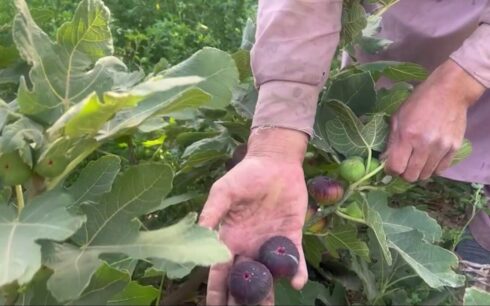
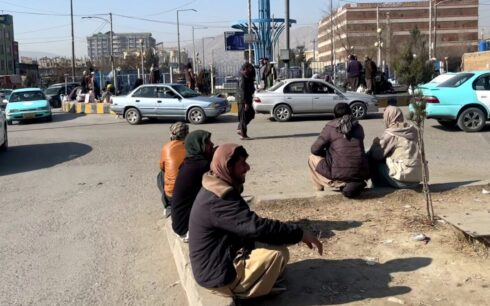
Farmers in western Afghanistan say a widespread infestation of the sunn pest, a destructive insect that attacks wheat crops, is threatening this year’s harvest, with many reporting significant losses despite weeks of efforts to contain the outbreak.
Farmers in Herat province said the pest first appeared in large numbers roughly three weeks ago and has continued to spread across agricultural areas, damaging wheat fields and raising concerns about food production and rural livelihoods.
Farmers in Kushk-e Kuhna district said they have resorted to traditional methods and purchased pesticides at their own expense in an attempt to protect their crops. Many, however, said the products available on the market have proven ineffective.
“We ask traders to bring quality pesticides,” said Ghulam Farooq, a farmer in the district. “We were told these products were effective. I used more than 10 containers on my fields and got no results. Low-quality pesticides are being imported, and neither the traders nor the government are addressing the problem.”
Farmers said they have received little or no support from Taliban authorities or agricultural organizations as the infestation has worsened.
“There has been no assistance from the government in providing pesticides,” said Abdul Hamid, another farmer. “Many people are borrowing money to buy chemicals for their fields, but the results are poor. These products have only limited effectiveness and cannot eliminate the pest.”
Others warned that entire harvests could be lost if the infestation continues.
“Look at this wheat,” said Mohammad Omar, a farmer in the area. “The crop is finished. If the government helps us, that would be good, but otherwise we are ruined. Our chickpeas and other crops have also been damaged.”
The sunn pest is among the most destructive agricultural insects affecting wheat production in parts of Central and South Asia. The insect feeds on developing grain, reducing both crop yields and quality.
Economists and agricultural specialists warned that continued crop losses could have broader economic consequences for farming communities already struggling with drought, rising costs and limited access to agricultural inputs.
Farmers in western Afghanistan have long complained about the availability of substandard pesticides, arguing that weak market oversight allows ineffective products to be sold to growers.
The problem is particularly acute in the provinces of Herat, Farah, Badghis and Ghor, where agriculture remains a major source of income and where farmers say poor-quality agricultural supplies contribute to significant losses each year.
The reported outbreak comes as Afghanistan continues to face food-security challenges following years of drought, economic hardship and declining international assistance, leaving many rural households increasingly vulnerable to agricultural shocks.