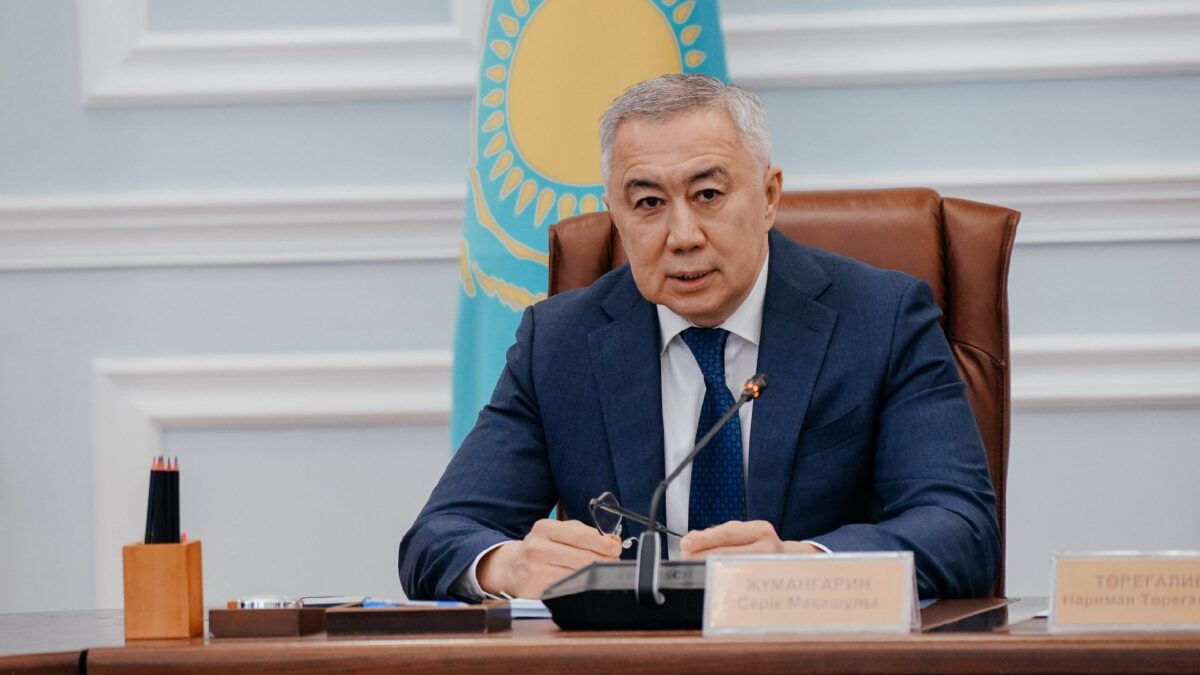
A high-level Kazakh delegation led by Serik Zhumangarin, Kazakhstan’s deputy prime minister and minister of national economy, arrived in Kabul on Saturday, according to the Taliban’s Ministry of Industry and Commerce.
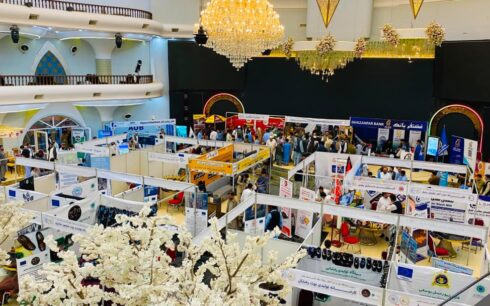
The ministry said the visit is aimed at holding an Afghan-Kazakh Trade and Economic Forum and a showcase of Kazakh products and industrial goods in Kabul
The delegation includes senior government officials, representatives of economic institutions and business leaders from Kazakhstan’s private sector, according to the ministry.
Kazakh authorities had not publicly commented on the visit as of publication.
The trip is the latest sign of expanding engagement between Kazakhstan and the Taliban, as both sides seek to deepen cooperation in trade, transit, investment, agriculture, food processing and the supply of raw materials.
In recent months, officials from Kazakhstan and the Taliban have exchanged multiple visits as part of broader efforts to strengthen economic ties. Kazakhstan has emerged as one of Afghanistan’s most important partners in Central Asia, maintaining regular contacts with Taliban despite the absence of formal international recognition of their rule.
The Taliban’s Ministry of Industry and Commerce said the forum and trade exhibition are expected to create new opportunities for business partnerships, increase trade volumes and encourage investment between the two countries.
The visit follows the recent Termez Dialogue in Tashkent, a regional forum focused on connectivity between Central and South Asia, where a Taliban delegation also participated.
The growing focus on Central Asian trade comes as Afghan businesses face mounting challenges accessing traditional maritime trade routes.
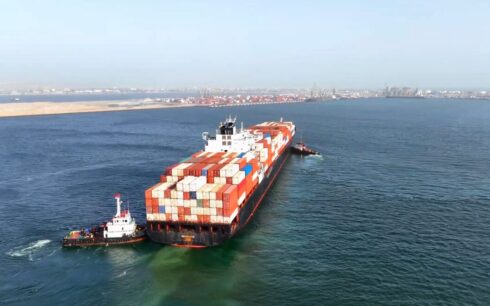
The Afghanistan Chamber of Commerce and Investment recently told Amu that Afghanistan has effectively lost access to its three principal sea-based transit corridors: Pakistan’s Port of Karachi, the United Arab Emirates’ Jebel Ali Port and Iran’s Bandar Abbas Port.
As a result, traders are increasingly relying on overland routes through Central Asia to import goods, including food and other essential commodities.
Business leaders say the shift has increased transportation costs and delivery times but has also heightened the importance of economic links with neighboring Central Asian countries, including Kazakhstan and Uzbekistan.