Taliban raided the headquarters of Tamadon TV, a private broadcaster in Kabul, the network said on Tuesday, warning that its broadcasts could soon be suspended.
In a statement, Tamadon TV said Taliban personnel entered its main office in the capital city but did not provide details about the scope of the operation or whether any staff members had been detained.
The broadcaster urged the public to follow developments closely and remain alert to further announcements regarding its operations.
The reason for the raid was not immediately clear. Taliban so far have not commented on the raid.
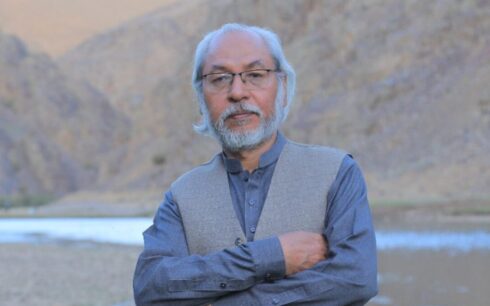
Tamadon TV was founded in 2007 by the late Shiite cleric and political leader Mohammad Asif Mohseni. Based in Kabul, the network was established with an investment reportedly exceeding $1 million and has long focused on religious, cultural and current affairs programming, particularly for Afghanistan’s Shiite community.
In June 2024, Taliban ordered Tamadon TV’s closure, alleging links to the political party Harakat-e Islami Afghanistan and disputing the ownership status of its premises. Tamadon TV rejected the allegations and later resumed operations. The network has also faced previous Taliban raids and restrictions since they return to power in 2021.
The raid is the latest in a series of actions targeting Afghan media outlets since the Taliban returned to power in August 2021. Journalists and media organizations have reported increasing restrictions, detentions and pressure from Taliban, contributing to a sharp decline in media freedom across the country.
The development comes just days after another television station, Rah-e-Farda TV, resumed broadcasting after receiving a new license from Taliban.
Rah-e-Farda had been forced off the air earlier this year after Taliban intelligence agents suspended its operations. According to documents obtained by Amu TV, the station was allowed to resume broadcasting only after changes were made to its ownership and management structure.
Media advocacy groups say such cases reflect the shrinking space for independent journalism in Afghanistan.
On World Press Freedom Day earlier this year, the Afghanistan Journalists Center and other media watchdogs warned that Afghan media outlets were operating under severe restrictions. The exile-based media support organization Nai said there was effectively no freedom of expression in Afghanistan and argued that many domestic media organizations had been reduced to operating under heavy censorship and pressure from the Taliban.
Since taking power, the Taliban have imposed extensive controls on media content, including restrictions on political reporting, criticism of authorities and coverage deemed contrary to their interpretation of Islamic values.