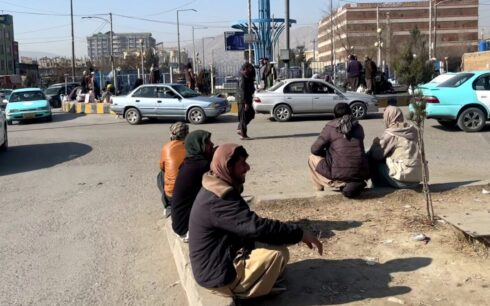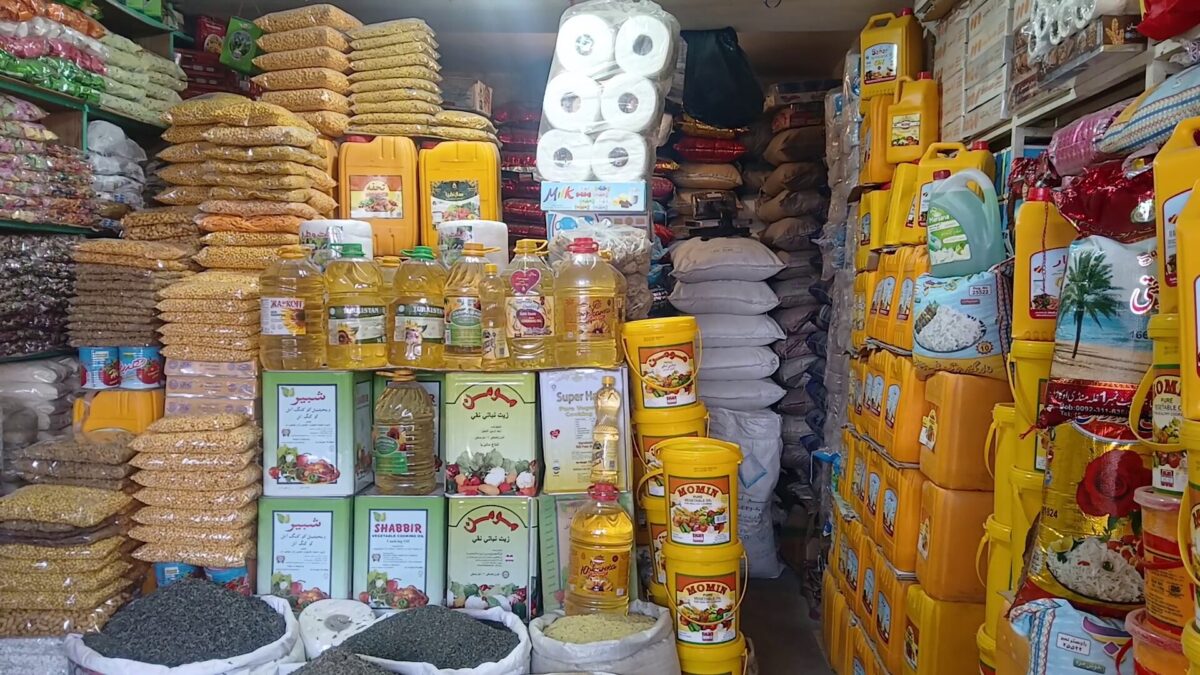
In the main markets of Charikar city, the center of Parwan province north of Kabul, grocery shop owners say business has slowed to a trickle.
Several shopkeepers in Charikar said their daily sales have fallen sharply in recent months, reflecting what they describe as rising unemployment and shrinking purchasing power.
“Before, we used to sell 5,000 or 6,000 afghanis a day ($78 to $94),” said Mohammad Elias, who runs a small grocery store. “Now it is 400 or 500 ($8). People don’t have money. Unemployment and poverty have increased.”
Others described similar declines. Sayed Jamal, another shopkeeper, said that where he once earned between 5,000 and 6,000 afghanis a day, he now struggles to make even 1,000.
“Business is very bad,” he said.
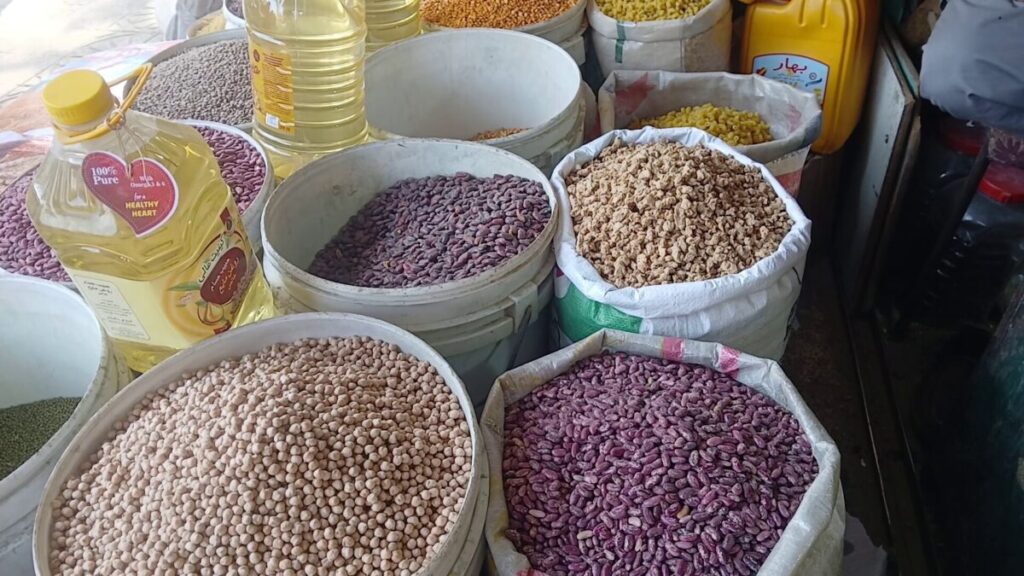
Shopkeepers say the lack of job opportunities has drained life from the markets. Without steady work, they say, customers can no longer afford even basic goods.
“There is no money,” said Dad Mohammad, another vendor. “When people don’t have money, there is no business. If there were jobs, production and companies, people would be working and the economy would improve.”
Some economic analysts argue that the way out lies in job creation and support for investment.
“To get out of this situation, the authorities must create new job opportunities, support investors and provide a stable environment for investment and economic security,” said Qutbuddin Yaqoobi, an economic analyst.
The complaints in Charikar mirror broader concerns about Afghanistan’s struggling economy. The United Nations has previously warned that more than 70 percent of Afghans across the country are grappling with unemployment and severe economic hardship — a sign that the slump in local markets is part of a wider national crisis.