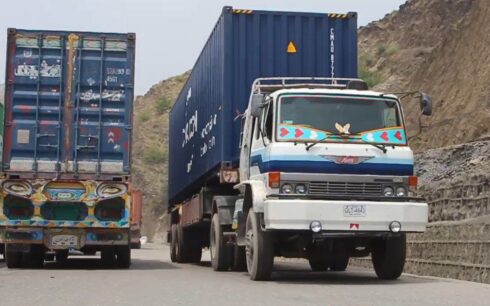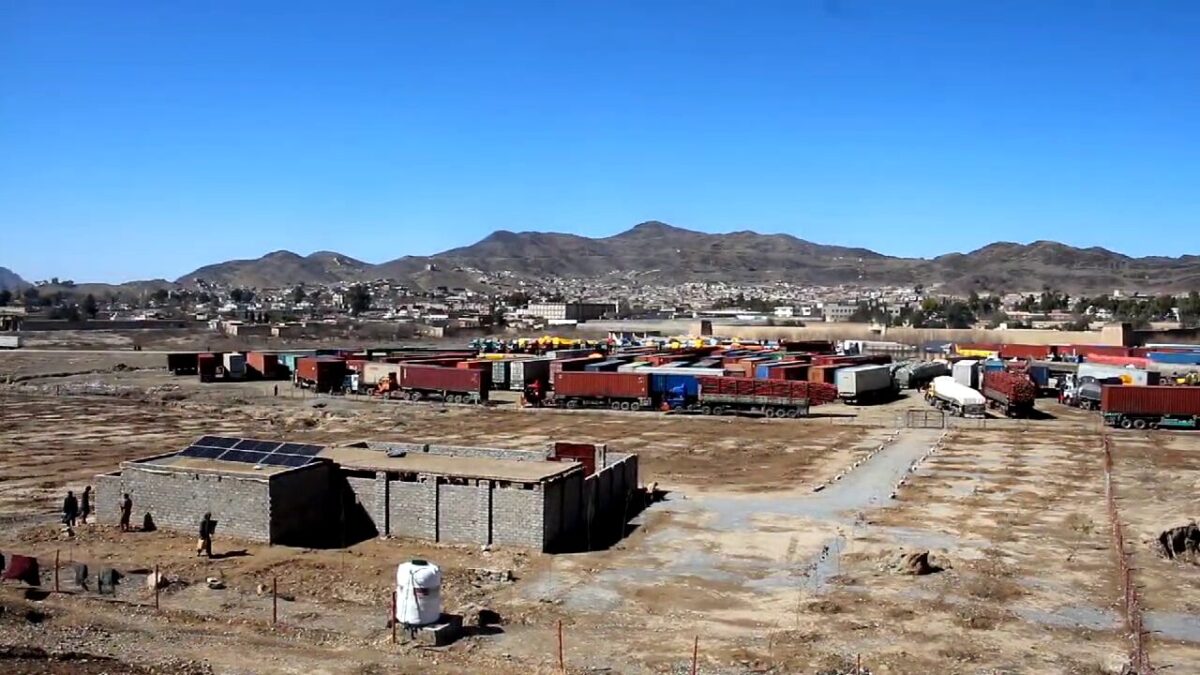
The closure of key border crossings between Afghanistan and Pakistan entered its 37th day on Sunday, crippling trade, stranding thousands of truckers and merchants, and intensifying economic strain on both sides of the frontier.
In border towns such as Spin Boldak and Torkham, shopkeepers and traders say their businesses have been brought to the brink. “We used to operate at 100 percent,” one merchant said. “Now we’re barely at 20 percent.” Others reported a drastic drop in freight activity, with only 10 to 15 shipping containers arriving per week, compared to far higher volumes before the shutdown.
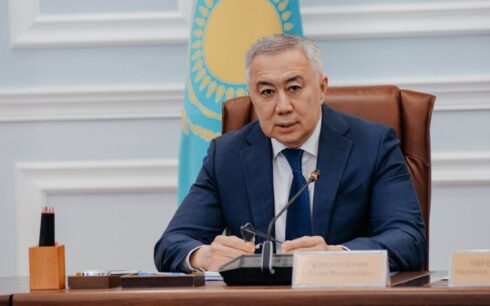
The border closures follow escalating tensions between Islamabad and Taliban, as well as a series of retaliatory economic decisions by the Taliban. Last week, Taliban deputy chief minister Abdul Ghani Baradar announced that Afghanistan would begin phasing out pharmaceutical imports from Pakistan, citing concerns over low-quality medicines. The move was widely interpreted as the first step in a broader effort to reduce Afghanistan’s trade dependency on its eastern neighbor.
Pakistan and Afghanistan have long shared a volatile but vital trade relationship. In 2024, bilateral trade was valued at approximately $1.5 billion — a sharp decline from previous years when annual volumes exceeded $2.3 billion. Monthly trade once averaged between $100 million and $200 million in goods flowing from Pakistan into Afghanistan, including food, pharmaceuticals, cement, textiles, and construction materials.
In recent months, however, transit bottlenecks, political friction, and now full-scale border closures have halted nearly all formal commerce. Afghan traders say thousands of containers are now stuck at the borders, many loaded with perishable goods and vital supplies.
“This route is completely blocked,” one trader said. “When it was open, all goods moved through this crossing. Now everything is stuck and our livelihoods are in ruins.”
Pakistan has cited security concerns, including recent cross-border attacks, as justification for tightening its policies toward Afghanistan. In response, Taliban authorities have urged Afghan businesses to seek alternative markets and trade corridors through Iran, Central Asia, and China.
As the closures drag into a second month, economic pain is mounting on both sides of the border. Traders warn of rising inflation, dwindling supplies, and growing uncertainty for thousands who depend on cross-border commerce for their livelihoods.