A group of UN human rights experts warned on Friday that the conflict in Iran has further worsened conditions for millions of Afghan migrants living there, increasing their exposure to humanitarian risks and economic hardship.
In a joint statement, the experts welcomed the recent memorandum of understanding between Iran and the United States but said any effort to stabilize the situation must place human rights — including the rights of migrants and refugees — at its center.
“The people of Iran, who have suffered profoundly from both external military attacks and internal repression, are largely absent from this framework,” the experts said. “Any agreement that ignores human rights is incomplete.”
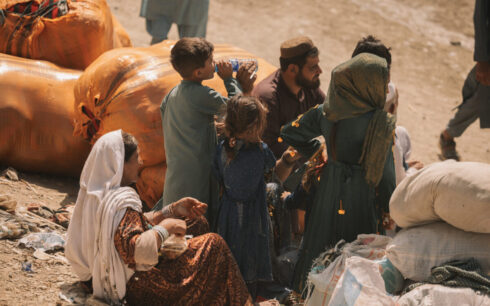
The experts said the conflict has had significant humanitarian consequences, including civilian casualties, displacement and growing insecurity for vulnerable populations, among them millions of Afghan nationals residing in Iran.
They warned that Afghans have become increasingly exposed to the broader humanitarian crisis unfolding in the country.
According to the statement, the conflict has also been accompanied by an intensified domestic crackdown. The experts cited reports of mass arrests, enforced disappearances, torture and executions since the fighting began.
They said at least 156 people have reportedly been executed since the outbreak of hostilities, including at least 42 individuals accused of security-related or espionage offenses. Many of those cases, they said, involved allegations of coerced confessions and denial of access to legal representation.
The experts also raised concerns about the confiscation of property belonging to more than 1,500 individuals, including members of the Iranian diaspora, and said religious and ethnic minorities, including Baha’is, Kurds and Baluchis, have been disproportionately affected.
They further pointed to worsening economic conditions, including rising unemployment, delayed wage payments and soaring food prices, as well as an internet shutdown that reportedly lasted nearly three months.
The experts urged mediating countries to ensure that any final agreement between Tehran and Washington includes provisions for accountability, reparations for victims, an end to executions, the release of arbitrarily detained individuals and the restoration of internet access.
“A settlement that serves only geopolitical interests while ignoring people cannot deliver genuine peace,” they said.
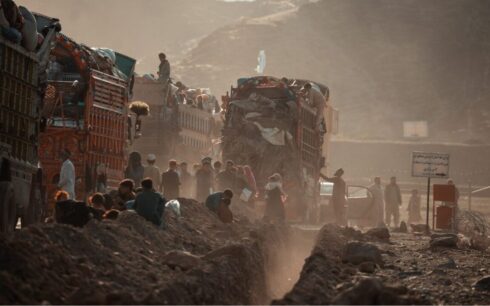
The warning comes as Afghanistan faces a growing influx of returnees from neighboring countries.
In a report released for World Refugee Day, the United Nations Development Programme (UNDP) said more than 6 million Afghans have returned to the country since 2023, placing additional strain on communities already grappling with poverty, unemployment and limited public services.
UNDP said more than 738,000 Afghans have returned in 2026 alone, most of them from neighboring countries, particularly Pakistan.
The agency warned that many parts of Afghanistan lack the capacity to absorb large numbers of returnees and that continued arrivals could further stretch access to housing, healthcare, education and clean water.
Returnees often face significant challenges reintegrating into society, finding employment and securing sustainable livelihoods, the report said.
At the same time, UNDP noted that with sufficient investment in local services and economic opportunities, returnees could contribute to the recovery and development of their communities.
The agency also highlighted the broader global displacement crisis, estimating that 117.8 million people worldwide have been forced from their homes by conflict, violence, natural disasters and climate-related shocks.
For Afghanistan, however, UN officials warn that the combination of large-scale returns and ongoing humanitarian pressures is creating an increasingly fragile situation, particularly as neighboring countries continue to tighten migration policies and accelerate deportations.