The UN Human Rights Council will vote Monday on whether to establish an independent investigation to gather evidence of the most serious violations of international law in Afghanistan.
The proposal, introduced by Denmark on behalf of the European Union, will be discussed as part of the Geneva-based council’s final regular session of the year.
The mandate of the UN special rapporteur on Afghanistan — an independent expert reporting to the council — is also due for annual renewal.
“This year, after careful and extensive consultations, the EU decided to table a resolution with a strengthened accountability element, notably proposing an independent investigative mechanism for Afghanistan,” an EU spokesperson told AFP. “The proposed mechanism will address the decades of impunity in Afghanistan.”
The draft resolution calls for the creation of a permanent, independent body to “collect, consolidate, preserve and analyze evidence of international crimes and the most serious violations of international law,” including abuses against women and girls. It would also prepare case files to support future criminal proceedings.
“The mechanism will be able to preserve testimonies and stories of victims,” the EU spokesperson said.
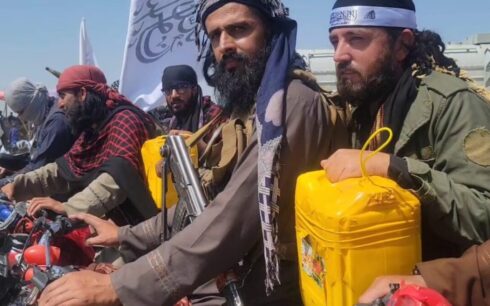
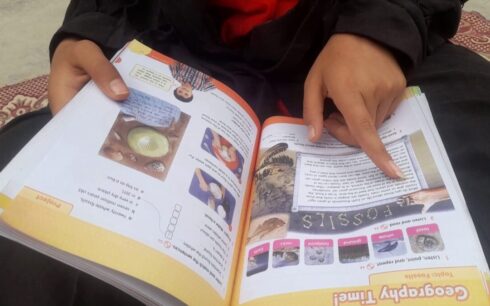
The Taliban returned to power in 2021 and have imposed a strict version of Islamic law that has drawn widespread condemnation. Women are barred from most jobs, higher education, and public spaces such as parks and gyms, and cannot travel without a male guardian.
The draft resolution “deplores the Taliban’s institutionalization of its system of discrimination, segregation, domination, disrespect for human dignity, and exclusion of women and girls.” It also condemns the Taliban’s ban on Afghan women working for the United Nations and humanitarian organizations.
Human Rights Watch called the proposal a major step toward accountability. “It puts the Taliban and all others responsible for past and ongoing serious crimes in Afghanistan on notice that evidence is being collected and prepared so they may someday face justice,” said Fereshta Abbasi, the group’s Afghanistan researcher.
The 47-member council includes 14 co-sponsors of the Afghanistan resolution, among them France, Germany, Switzerland and Chile. The current session began Sept. 8 and will conclude Wednesday.