Security concerns, growing opposition activity and developments in Afghanistan’s northern provinces dominated a meeting of Taliban governors in Kandahar over the weekend, sources familiar with the discussions said.
The meeting, held on Saturday, June 6, and attended by Taliban governors from seven regional zones, was chaired by Mohammad Shirin Akhund, the Taliban governor of Kandahar.
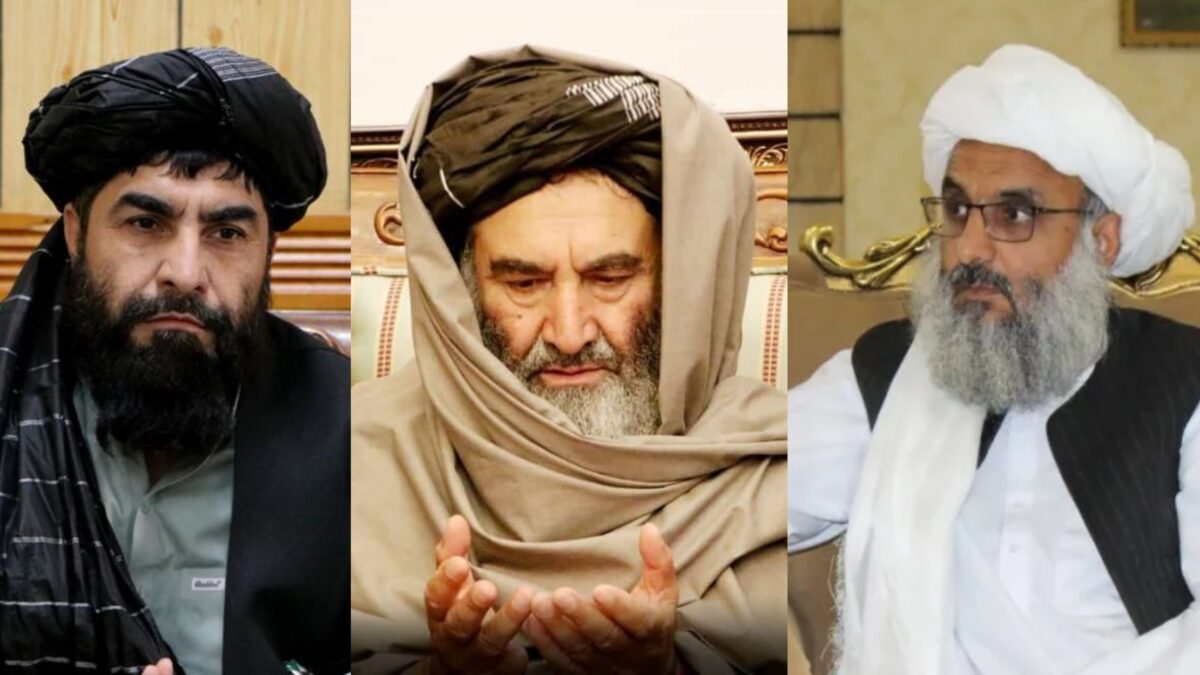
According to the sources, Nasrullah Muti, the Taliban governor of Kunduz, told participants that the security situation in northern Afghanistan had deteriorated and that the activities of what he described as the group’s “enemies” had increased in some areas.
One source said Muti pointed to recent unrest in Badakhshan and warned that similar incidents could spread to other provinces if underlying tensions were not addressed.
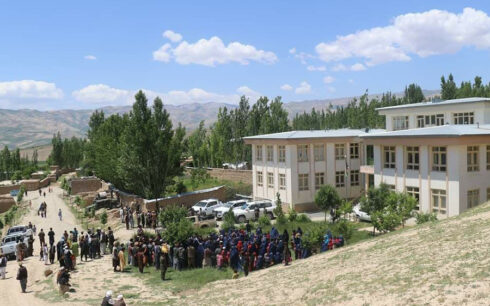
Badakhshan has witnessed weeks of tensions and protests linked to mining activities, with local residents and Taliban authorities clashing over the extraction of natural resources.
Sources also said Mohammad Yousuf Wafa, the Taliban governor of Balkh, raised concerns about the expansion of drug trafficking networks in northern provinces, describing the issue as a growing challenge for the Taliban administration.
Nur Ahmad Islamjar, the Taliban governor of Herat, reported signs of armed activity in parts of the western province, according to the sources.
In response, participants reportedly agreed to strengthen security measures in northern Afghanistan, including the deployment of up to 500 additional personnel and the adoption of tougher measures against what the Taliban describe as insurgent groups.
Sources said Akhund stressed that, in line with directives from Taliban leader Hibatullah Akhundzada, individuals deemed responsible for disrupting public order and security should be “suppressed.”
The meeting also discussed proposals related to combating corruption in revenue-generating sectors, supporting families of disabled Taliban members, and countering anti-Taliban messaging, according to the sources. Several recommendations were reportedly forwarded to Akhundzada’s office for review.
The office of the Taliban governor in Kandahar confirmed that the gathering took place but did not publicly mention concerns about worsening security conditions, increased opposition activity or plans to deploy additional forces to northern provinces.
In a statement, the Taliban’s media and information center in Kandahar said the meeting reviewed the implementation of Akhundzada’s directives, security coordination, crime prevention, anti-narcotics efforts, anti-corruption measures, assistance for Taliban-affiliated orphans and disabled individuals, and the training of Taliban personnel.
The statement also said governors discussed ways to improve public services and expand the implementation of policies adopted in different regions.
The reported concerns come as the Taliban continue to insist that security has improved nationwide since their return to power in 2021.
However, the United Nations has repeatedly reported the continued presence and activity of armed groups in Afghanistan, including the ISIS-K. UN reports have also documented attacks claimed by anti-Taliban groups such as the National Resistance Front and the Afghanistan Freedom Front.
The meeting was held amid rising tensions in Badakhshan, where disputes over mining operations have sparked protests and exposed divisions among some local Taliban officials and commanders, according to sources.