The World Health Organization said Tuesday it has received more than $6.3 million in new humanitarian funding to expand health services for Afghanistan’s most vulnerable communities as the country’s health system comes under increasing strain.
The funding, provided through the UN Office for the Coordination of Humanitarian Affairs’ Central Emergency Response Fund (CERF) and the Afghanistan Humanitarian Fund (AHF), will support both primary health care and emergency nutrition programs.
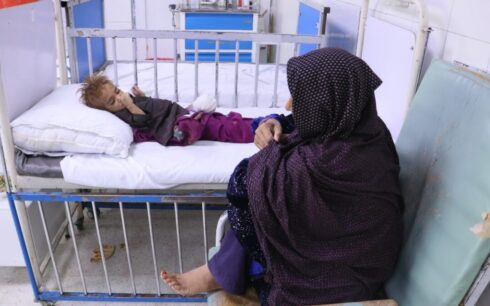
Of the total, $4.98 million from CERF’s underfunded emergencies window will allow WHO to operate 42 primary health care centers, deploy 15 surveillance support teams and procure 249 primary health care kits for 13 provinces. The $1.39 million AHF grant will support six sub-health centers, 10 surveillance teams and 13 inpatient therapeutic feeding centers, focusing on lifesaving treatment for children suffering from severe acute malnutrition in four high-need provinces.
The projects will directly benefit more than 747,000 people, with improved disease outbreak control expected to indirectly help another 2.4 million, according to WHO.
“WHO welcomes the CERF and AHF allocations which will help prevent avoidable deaths, strengthen our ability to respond to disease outbreaks and reach vulnerable communities at high risk, especially women and children affected by economic and environmental crises, forced returns and displacement,” said Dr. Edwin Ceniza Salvador, WHO’s representative in Afghanistan.
Kate Carey, deputy head of OCHA in Afghanistan, said the funding comes at a critical time. “These vital allocations come at a time when an unprecedented number of Afghans are returning from the Islamic Republic of Iran and Pakistan, and large parts of the country face the prospect of severe drought,” she said.
Afghanistan’s health care system has faced near collapse since the Taliban takeover in 2021, with international sanctions and cuts to development aid leaving facilities underfunded and understaffed. WHO says almost one in three Afghans cannot access even the most basic care.
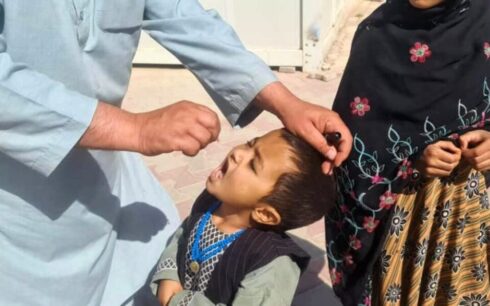
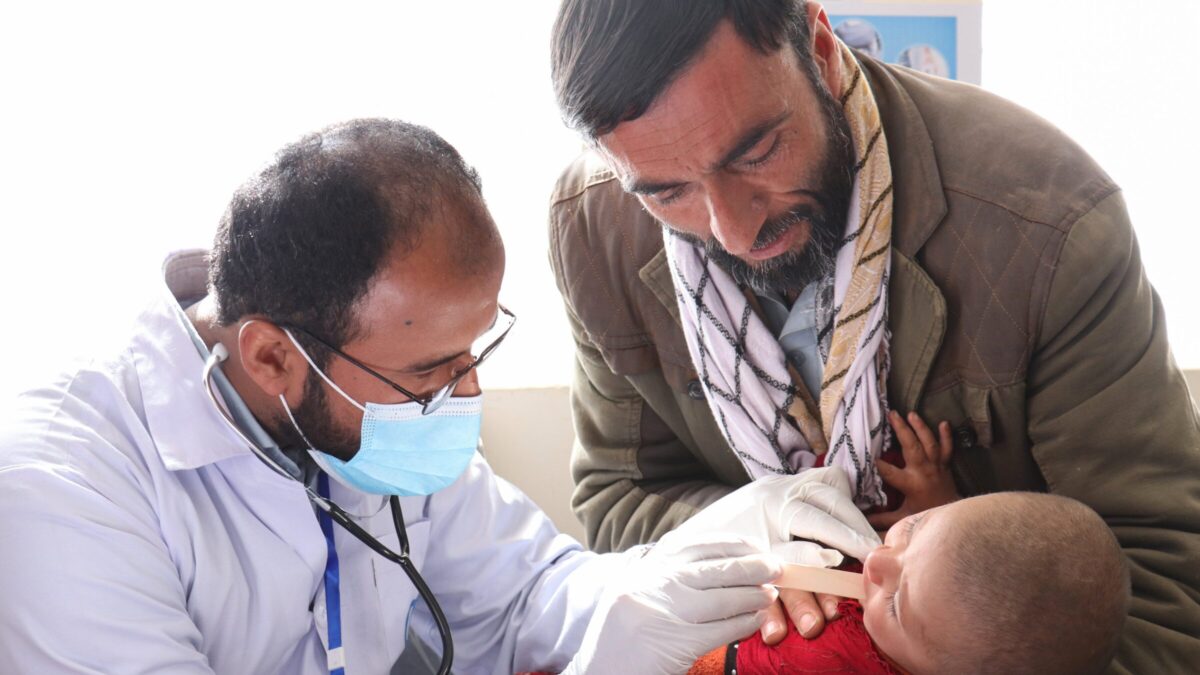
The agency said the new funding will help strengthen the health system by expanding access to primary care, improving disease surveillance and ensuring treatment for malnourished children in some of the hardest-to-reach areas.