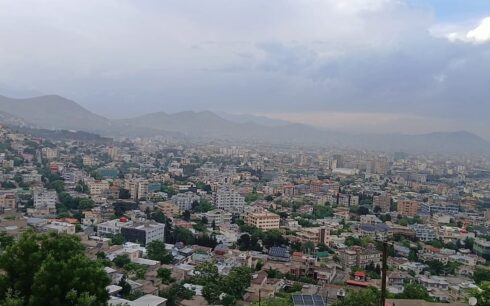
Residents of Badghis province in northwestern Afghanistan say falling groundwater levels and rising summer temperatures have intensified water shortages, forcing many families to travel long distances each day to collect drinking water.
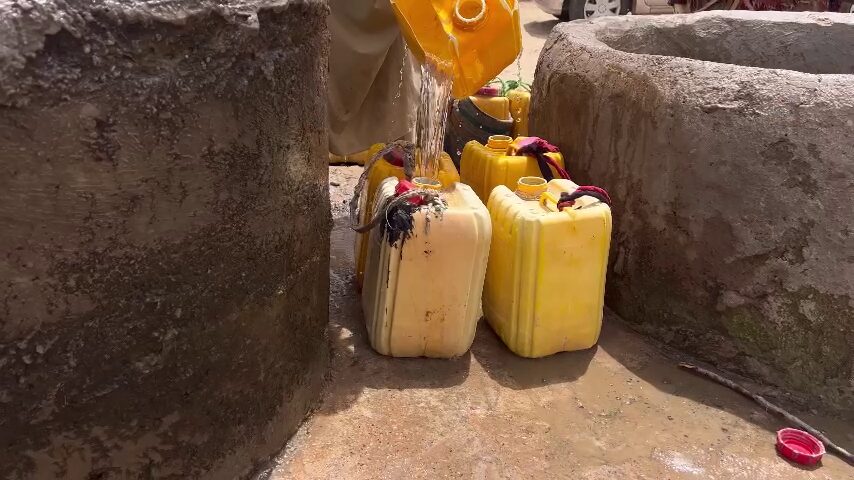
Residents in Ab Kamari district told Amu that access to water has become one of the region’s most pressing challenges, with some villages depending on a single traditional well to supply hundreds of households.
Abdul Rahim, a 77-year-old resident, said he walks about a kilometer each day to fetch water for his family.
More than 600 families in his village rely on the same well, he said, often waiting in long lines to collect small amounts of water.
“We have to transport the water home by donkey because the well is far away,” Abdul Rahim said. “There is only one well in our village, and everyone lines up to get a little water.”
Other residents said many of the karez—traditional underground irrigation channels that have sustained agriculture for generations—have dried up in recent years, leaving farmers without sufficient water to irrigate their land.
“Our karez have completely dried up,” said Mohammad Naim, another resident of Badghis. “People here no longer have access to enough water and are facing severe hardship.”
Residents also said they have received little or no assistance from aid organizations or government institutions to address the growing water crisis.
“We have almost no access to water, and no one is paying attention to our situation,” said Sharafatullah, another resident.
The residents said that although Badghis received relatively heavy rainfall last winter, groundwater levels have continued to decline this year, raising fears that water shortages will worsen during the summer months.
Afghanistan is highly vulnerable to the effects of climate change, with recurring droughts, rising temperatures and declining groundwater posing increasing challenges to agriculture, livelihoods and access to safe drinking water, particularly in rural areas.