Pakistan deported 4,237 Afghan migrants on Sunday, May 24, the Taliban commission for refugees said, the latest in a series of mass expulsions that have sent more than 4,000 people a day back across the border in recent days.
The latest returns follow the deportation of 4,590 Afghans through the Torkham crossing on May 21, 4,398 on May 22 and 4,142 on May 23, according to figures released by the commission Taliban, underscoring the scale of Pakistan’s ongoing repatriation campaign.
The Taliban commission for refugees said the migrants returned on Sunday entered Afghanistan through the Spin Boldak border crossing in the southern province of Kandahar.
The commission also reported that 355 individuals were deported from Iran on the same day, adding that most of the returns were involuntary.
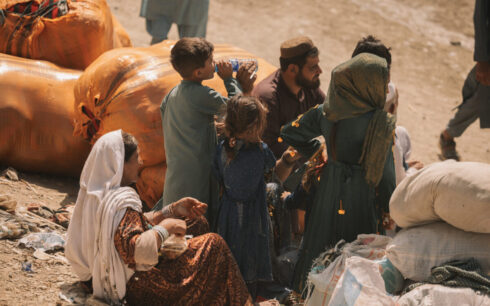
The sustained influx has increased pressure on border provinces and humanitarian organizations struggling to provide shelter, food, healthcare and other basic services to returning families.
The International Organization for Migration said earlier this month that 114,321 people returned to Afghanistan from Iran and Pakistan between April 26 and May 9, including both deportees and voluntary returnees.
According to the agency, the two-week total included 14,778 families, many of them women and children.
The IOM also reported that more than 3.5 million people had returned to Afghanistan between Jan. 1 and May 9, representing nearly 487,000 families.
The surge in returns comes as Pakistan continues a crackdown on undocumented foreigners, a policy that has disproportionately affected Afghans. Human rights groups and UN agencies have raised concerns about forced returns, warning that many deportees face economic hardship and limited access to housing, employment and public services upon arrival.
The UN refugee agency and the UN human rights office have also urged governments not to forcibly return Afghan migrants who may face persecution or other serious risks, particularly women, former government employees, journalists and human rights activists.