More than 221,000 people in eastern Afghanistan remain in urgent need of humanitarian assistance six months after a devastating earthquake struck Kunar province, the Red Cross says.
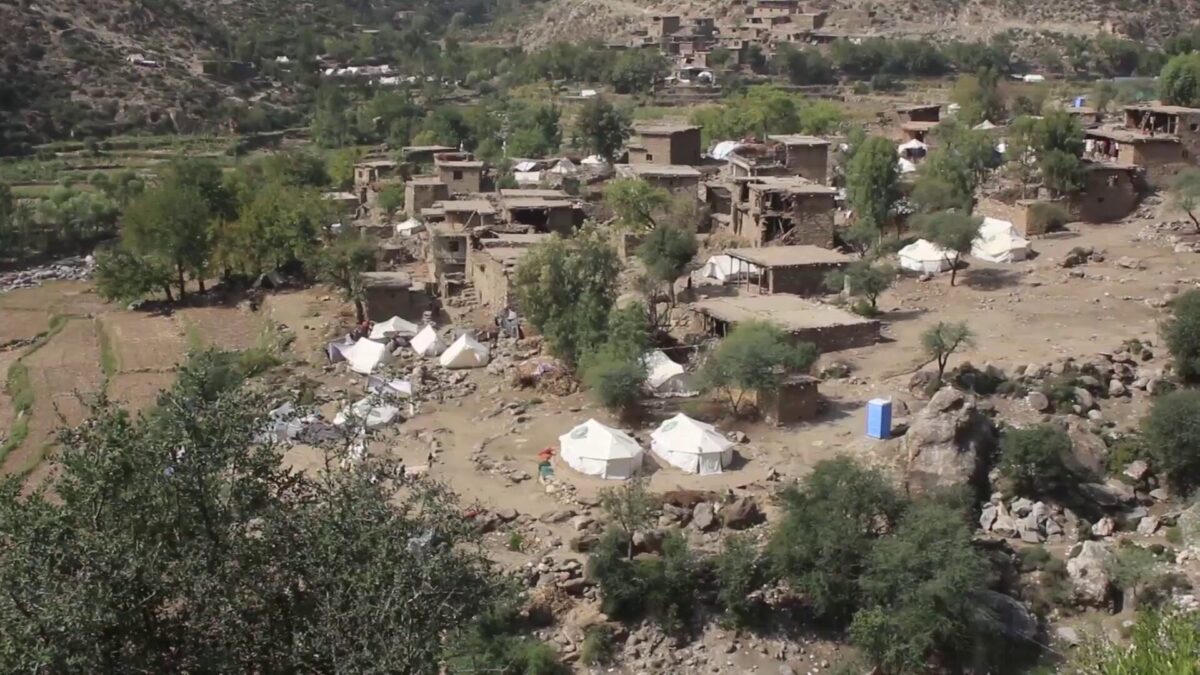
The 6.0-magnitude earthquake hit near Jalalabad on Aug. 31, 2025, severely affecting the provinces of Kunar, Nangarhar, Laghman and Nuristan. Powerful aftershocks followed in the days afterward, worsening destruction and disrupting relief efforts.
The disaster killed more than 2,200 people, injured over 3,600 and affected as many as three million people, according to the report. Entire villages were destroyed, thousands of homes collapsed and more than 3,000 families were displaced in the immediate aftermath.
The agency said the earthquake struck at a time when Afghanistan was already facing a worsening humanitarian crisis driven by economic decline, shrinking international aid and mass returns of migrants from neighboring countries. Vulnerable groups, particularly women and children, were among the hardest hit.
The report noted that 21.9 million people across Afghanistan are projected to require humanitarian assistance in 2026.
According to the report, many families continue to live in tents or makeshift shelters with limited access to safe water, sanitation and healthcare. Damaged roads, rugged terrain and security risks have complicated aid delivery in several areas.
The International Federation of Red Cross and Red Crescent Societies (IFRC) and the Afghan Red Crescent Society said they had launched emergency operations targeting 70,000 people in the four affected provinces. The operation includes emergency shelter, food assistance, clean water, mobile health services and mental health support.
The organizations said they had distributed 168,000 hot meals to 84,000 people and provided multi-purpose cash assistance to 2,000 households. Mobile health teams conducted more than 25,000 medical consultations, while psychosocial support services reached over 9,000 people.
The report also highlighted worsening pressures caused by large-scale returns from Pakistan and Iran. More than 320,000 Afghans returned from the two countries by the end of March 2026, many arriving with few belongings and limited access to livelihoods.
Aid groups warned that funding shortages continue to hamper recovery efforts. The IFRC said only about 31 percent of its broader emergency appeal for Afghanistan had been funded as of the latest reporting period.
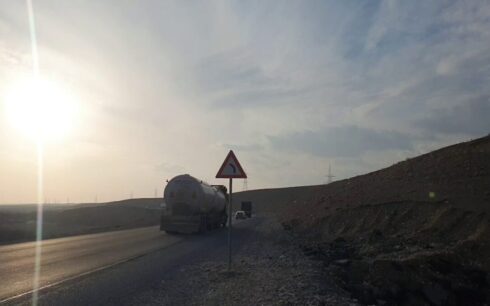
The report also cited challenges linked to the closure of border crossings with Pakistan and broader regional instability, saying disruptions to supply routes had delayed the delivery of humanitarian goods into Afghanistan.