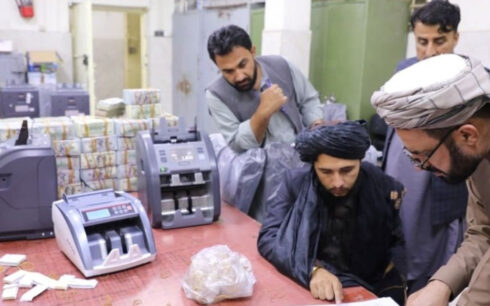
Private sector representatives from Afghanistan and Uzbekistan at a ceremony in Balkh province signed 10 trade and investment agreements worth $112 million, the Taliban-run ministry of industry and commerce said on Monday.
The ministry has not provided details about the nature of the agreements.
The agreements were announced as a delegation from Karakalpakstan visited the northern city of Mazar-i-Sharif, where investors also opened an exhibition showcasing Uzbek products and industrial goods.
Shahabuddin Saqib, the Taliban deputy minister for finance and administration at the Ministry of Industry and Commerce, said recent exchanges of official visits between Afghanistan and Uzbekistan reflected expanding economic cooperation between the two sides.
He described Balkh and Karakalpakstan as economically complementary regions with potential for increased investment and trade.
Uzbekistan has emerged as one of the Taliban administration’s most active regional economic partners since they returned to power in 2021.
The Central Asian country has maintained regular political and commercial engagement with Taliban, particularly in energy, transport and trade projects.
The latest agreements come as Afghanistan faces mounting trade and transit challenges linked to border tensions with Pakistan and instability across the Middle East.
In recent months, cross-border disputes with Pakistan and disruptions linked to regional conflict involving Iran and Gulf shipping routes have complicated Afghanistan’s access to key import corridors.
Economic analysts, however, say northern trade corridors cannot fully replace Afghanistan’s traditional access routes through Pakistan and Iran, particularly because Afghanistan remains heavily dependent on imported food, fuel and consumer goods.
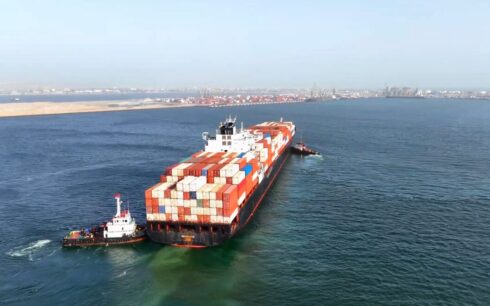
Pakistan’s Karachi port and Iran’s Chabahar and Bandar Abbas ports have historically served as major gateways for Afghanistan’s imports and exports.
While trade through Central Asia has expanded in recent years, economists say infrastructure limitations and higher transportation costs continue to restrict the capacity of northern routes to meet Afghanistan’s broader market demands.